


FAQs
Frequently Asked Questions and Answers

Many private universities in Turkey do not ask international applicants to sit an entrance exam. They review documents instead: diplomas, transcripts and identification. The process is formal and regulated, and what counts is your academic history, how well it fits the program you want and the university's capacity.
This route suits students who want a clearer, faster way into higher education. It still demands academic preparation and language readiness.
Admission without exams means a private university evaluates you on your transcripts, diplomas and eligibility criteria instead of a centralized entrance test. The process stays formal and regulated.
Private institutions can respond more flexibly to international demand, particularly in business, health sciences, engineering, aviation and social sciences faculties.

Turkey is easy to reach, has a multicultural academic environment and a network of private universities. Major cities such as Istanbul and Ankara host universities with international infrastructure and English-medium programs.
Bahçeşehir University, Istanbul Medipol University, Altınbaş University, Üsküdar University and Istanbul Aydın University offer faculties that range from medicine and dentistry to international trade, engineering, communication and aviation.
It suits students who have finished their previous education and prefer to be judged on documented academic performance. It is also a fit for applicants who want a streamlined, coordinated admission process.
It may not suit students who are aiming for public universities that require centralized testing, or those who are not ready for academic instruction in English or Turkish.
Admission is based on documents and varies by faculty. Universities check your diploma, transcripts and identification documents before they issue an acceptance letter.

Many private universities teach in English, especially in business, engineering, aviation and health sciences. Turkish-medium programs may require a preparatory language course.
Medicine, dentistry and engineering faculties expect strong foundational knowledge. Plan your language study early so it does not hold you back once classes start.
Private university tuition varies by faculty. Health sciences generally cost more than social sciences, and engineering and aviation programs sit in the middle to upper range.
Living costs depend on the city and your lifestyle. Istanbul has higher housing and transport costs than smaller cities. Budget for accommodation, food, insurance and administrative expenses so money worries do not affect your studies.
Private universities have campuses, laboratories, research centers and student clubs that help you settle in. International student communities are well established in large cities.
You can live in a university dormitory or rent a private apartment. The usual adjustment problems are language, bureaucracy and cultural differences, and preparation plus a support network can handle them.
Graduates of recognized private universities can look for work in the region or abroad, depending on their field. Engineering, aviation, health sciences, psychology and international business match labor market demand.
Your grades, internships, language skills and professional contacts shape your career more than the admission route does.

Plan for a preparation period of three to six months.
International higher education is competitive and administratively complex. For qualified students, private Turkish universities without extra entrance testing offer a regulated and efficient option, and it still takes real work. Program selection, academic preparation and long-term planning decide how your studies go.
StudyLeo works with universities directly and offers free registration, transfer options where applicable and visa guidance. We can help you choose a faculty and prepare your application.
Frequently Asked Questions and Answers
Look out blogs and aware of the latest trends and updates
Explore top universities offering quality education, modern facilities, and diverse academic opportunities for students worldwide




 Dormitory
Ankara, Turkey
 Dormitory
Istanbul, Turkey
 Dormitory
Istanbul, Turkey
 Dormitory
Istanbul, Turkey
 Dormitory
Istanbul, Turkey
 Dormitory
Istanbul, Turkey
 Dormitory
Istanbul, Turkey
 Dormitory
Istanbul, Turkey
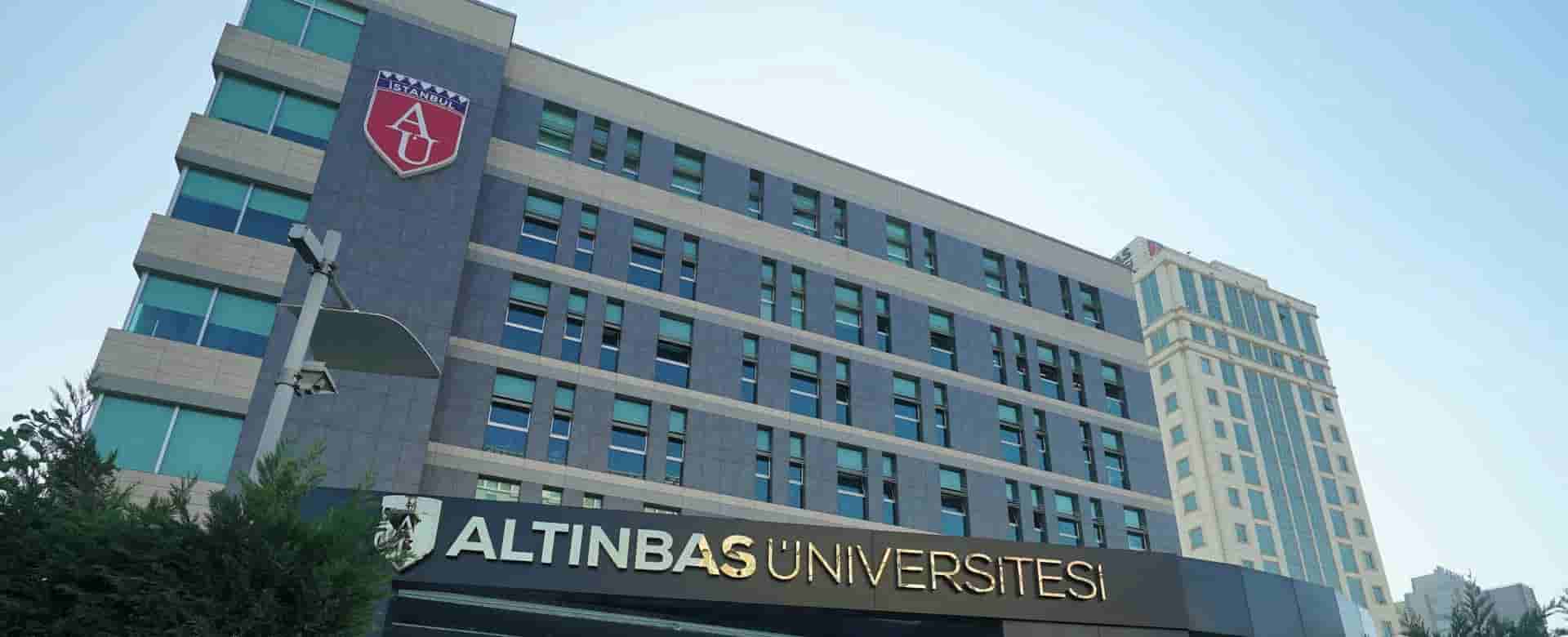 Dormitory
Istanbul, Turkey
 Dormitory
Istanbul, Turkey
 Dormitory
Istanbul, Turkey
 Dormitory
Istanbul, Turkey
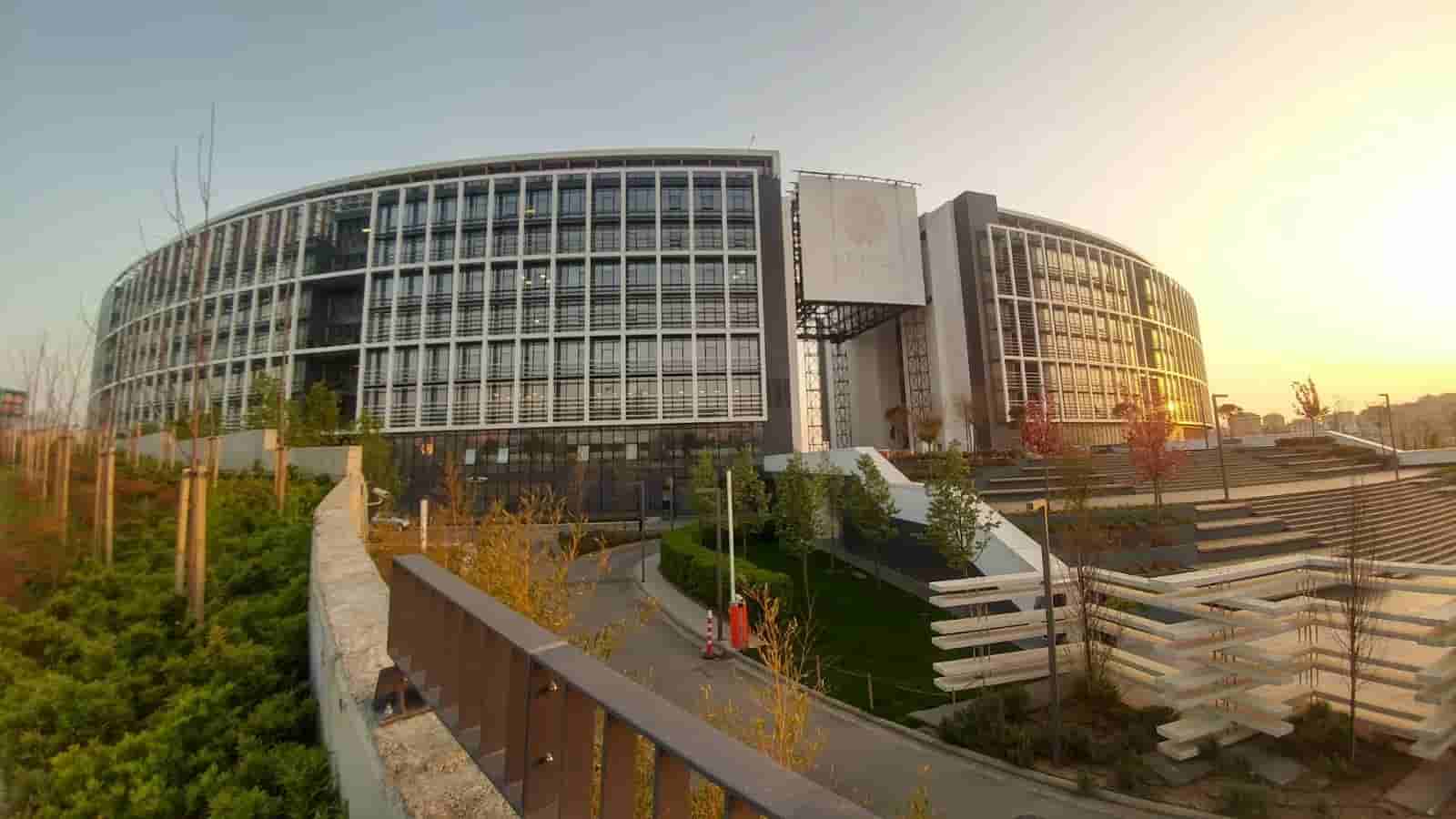 Dormitory
Istanbul, Turkey
 Dormitory
Istanbul, Turkey
 Dormitory
Istanbul, Turkey
 Dormitory
Istanbul, Turkey
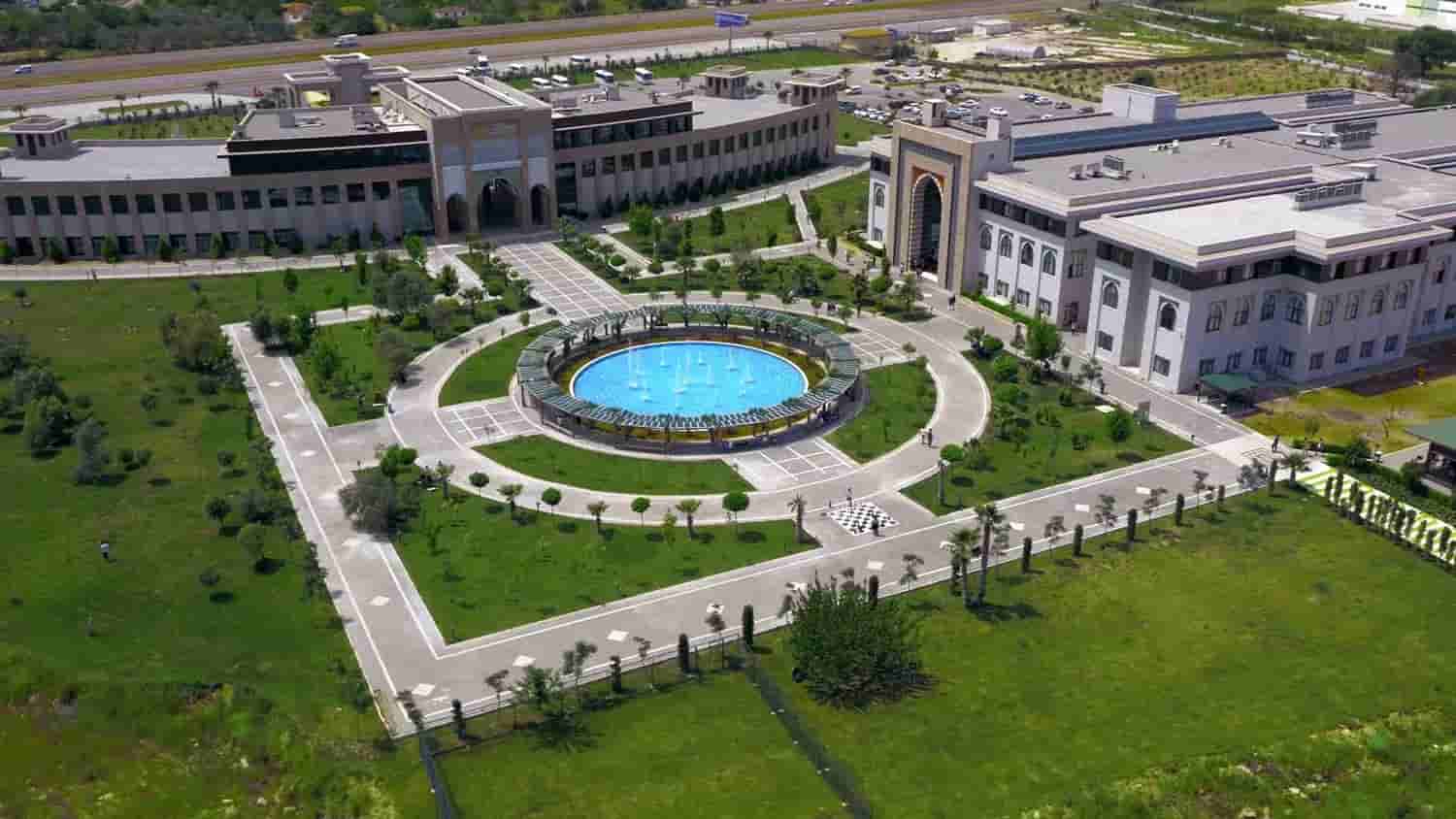 Dormitory
Antalya, Turkey
 Dormitory
Istanbul, Turkey
 Dormitory
Ankara, Turkey
 Dormitory
Istanbul, Turkey