

FAQs
Frequently Asked Questions and Answers

Many applicants struggle to compare political science programs, understand entry criteria and judge real outcomes, because the information is scattered and sometimes inconsistent. You need a clear structure to decide where political science fits your long-term plan. This guide sticks to practical details: how programs differ, what you study each year, which universities list the degree and what graduates go on to do.
Programs differ in focus: theory, policy or global politics.
English-taught bachelor's programs are listed at several private universities.
Strong career outcomes usually require specialization after the bachelor's.
Admission is straightforward with standard academic documents.
The workload is heavy on reading and writing from the second year.

Political science in Turkey is not standardized. Programs lean in three main directions.
Theory-based programs focus on political thought and academic research. Expect intensive reading, essay-based assessment and a focus on political thinkers and ideology.
Programs focused on global politics combine political science with international relations. They teach foreign policy, the analysis of global conflict and cooperation, and often use simulation-based classes. Bahçeşehir University and İstanbul Aydın University list this type of degree: Political Science and International Relations, taught in English.
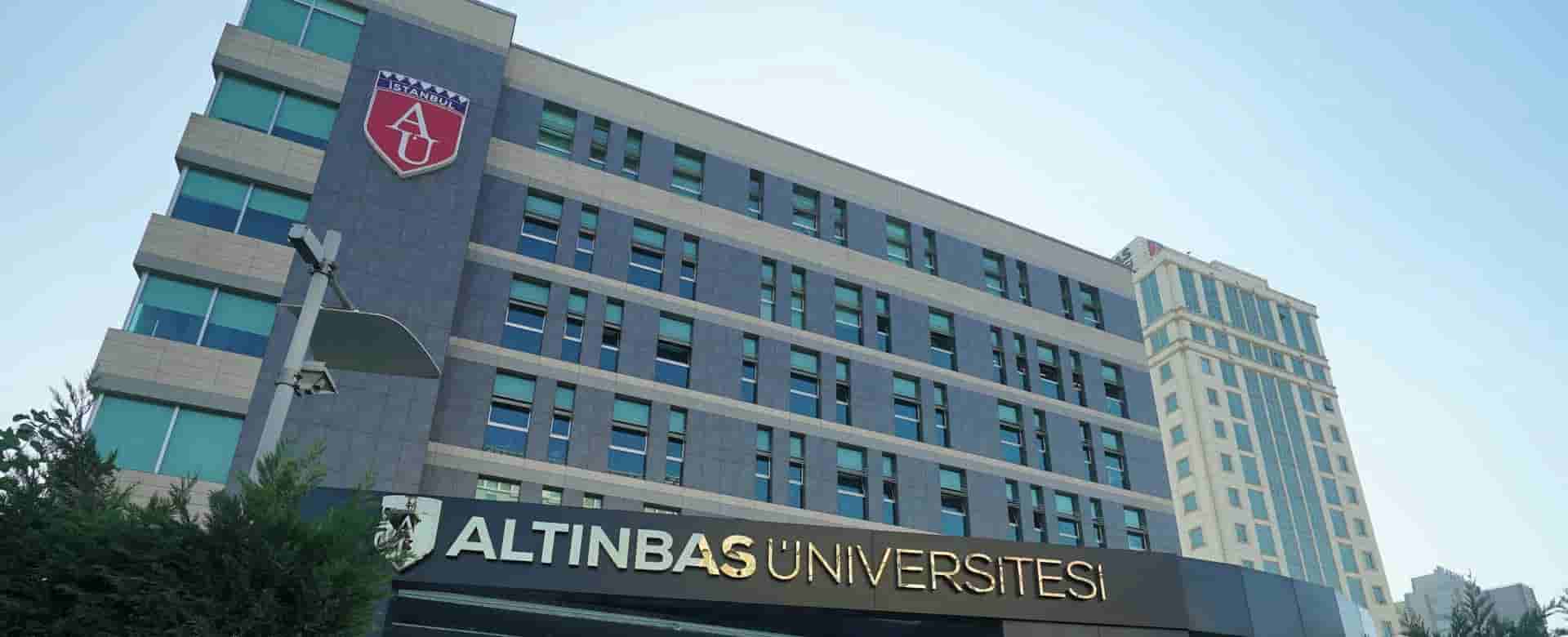
Policy and governance programs are more applied. They cover public administration, policy analysis and institutional systems. These programs often carry the title Political Science and Public Administration, which the table below lists at Altınbaş, Istanbul Kent and Istanbul Medipol, among others.
Choose between these three directions first. It narrows the list quickly.

The order below is typical, and details vary by university.
Year 1: introduction to political science, the basics of economics and sociology, and academic writing.
Year 2: comparative politics, political ideologies and research methods. Students usually find this year difficult because weekly reading can pass 100 pages.
Year 3: electives based on your interests, such as governance systems, regional politics and public policy.
Year 4: a thesis or project, either research-based work or a policy report. Expect to argue a position in your writing.
It is a strong fit for students who plan a master's or PhD, want careers in policy, research or academia, and are comfortable with daily reading and writing.
It is a weak fit for students who expect direct employment after the bachelor's, want technical or practical training, or avoid long texts.
Examples from StudyLeo's fee tables:
Yeditepe University: Political Science and International Relations, a four-year bachelor's taught in English or French, with a master's and a PhD.
Bahçeşehir University: the same bachelor's in English, a PhD, and master's programs in Global Politics and International Relations taught in Turkish.
İbn Haldun University: Political Science and International Relations at bachelor's, master's with thesis and PhD level, all in English.
Kadir Has University: Political Science and International Relations as a four-year bachelor's in English, and a master's with thesis in Political Science and Public Administration.
The program table below adds Political Science and Public Administration bachelor's degrees at several other universities.
For a bachelor's degree you need:
High school diploma
Graduation certificate
Transcript
Passport
Photo
Students who do well in history and social subjects usually adapt more easily, and weak reading habits cause problems from the second year.
For a master's degree you need:
Bachelor's diploma
Transcript
Graduation certificate
Passport
Photo
Master's programs expect a clear academic direction, and switching from an unrelated field may limit your options.

Political science does not lead to one fixed job. Typical paths include policy analysis, research roles, media and political reporting, and academic careers.
Job options stay limited without further specialization, so a master's is the usual next step.
We recommend StudyLeo for program selection and application. Registration, transfer and visa support come at no charge, and StudyLeo has direct partnerships with universities. The whole process is managed in one place.
Frequently Asked Questions and Answers
Look out blogs and aware of the latest trends and updates
Explore top universities offering quality education, modern facilities, and diverse academic opportunities for students worldwide



 Dormitory
Ankara, Turkey
 Dormitory
Istanbul, Turkey
 Dormitory
Istanbul, Turkey
 Dormitory
Istanbul, Turkey
 Dormitory
Istanbul, Turkey
 Dormitory
Istanbul, Turkey
 Dormitory
Istanbul, Turkey
 Dormitory
Istanbul, Turkey
 Dormitory
Istanbul, Turkey
 Dormitory
Istanbul, Turkey
 Dormitory
Istanbul, Turkey
 Dormitory
Istanbul, Turkey
 Dormitory
Istanbul, Turkey
 Dormitory
Istanbul, Turkey
 Dormitory
Istanbul, Turkey
 Dormitory
Istanbul, Turkey
 Dormitory
Antalya, Turkey
 Dormitory
Istanbul, Turkey
 Dormitory
Ankara, Turkey
 Dormitory
Istanbul, Turkey