FAQs
Frequently Asked Questions and Answers

Biology programs in Turkey differ in specialization, language of instruction and university, and the information online about them is often inconsistent. Start with the specialization and language you want, then compare universities.
Private universities in Turkey offer biology at bachelor's, master's and PhD level, and a bachelor's degree typically takes four years. Programs combine theory with laboratory practice and research projects, and some add field studies. Some universities run specialized tracks such as molecular biology, biotechnology, environmental biology or medical biology, and English-medium programs exist alongside Turkish ones.

Programs lean on laboratory work and hands-on research. Some universities have molecular biology and biotechnology labs, and internships or industry contacts give students applied experience.
The universities with biology programs in this guide are recognized by YÖK, Turkey's higher education authority. Whether another country recognizes a Turkish degree is that country's own decision.
The table below covers Yeni Yüzyıl, Acıbadem, Başkent, Avrasya, Bahçeşehir, Üsküdar, Istanbul Atlas and Sanko universities. All are private, in Istanbul, Ankara, Trabzon or Gaziantep. Their biology offerings differ, so compare program lists before you choose.
Başkent University in Ankara, for example, also lists master's programs in biotechnology, molecular biology and genetics, and medical biology, plus a PhD in medical biology.
For a bachelor's program, bring your high school diploma, official transcripts, passport and a recent photograph. A master's program asks for a bachelor's diploma in a relevant field, plus the same transcripts, passport and photograph.
A PhD application needs both your bachelor's and master's diplomas and transcripts, your graduation certificates, a passport and a recent photograph.
Some universities may also look at your grades in science subjects (biology, chemistry, mathematics) and ask for an interview or documents showing earlier research.
Biology programs are taught in English or Turkish, and you must show proficiency in the language of your program. Universities often run preparatory courses for students who need extra language support before the core biology courses begin. Check the requirement before you apply, so you do not fall behind once laboratory courses start.
Biology programs differ in focus:
In the program table below, Yeni Yüzyıl, Kadir Has, Üsküdar, Avrasya, Haliç, Başkent, Acıbadem and Bahçeşehir each list a 4-year bachelor's in Molecular Biology and Genetics. Kadir Has, Avrasya, Haliç, Acıbadem and Bahçeşehir teach it in English, Yeni Yüzyıl teaches it in Turkish, and Başkent and Üsküdar list both languages. The table also shows Üsküdar's non-thesis master's in molecular biology and Başkent's PhD in medical biology.
StudyLeo's program filter narrows the list by specialization, city, career focus and research opportunities.
Graduates can work in biotechnology and pharmaceutical research, in environmental agencies and conservation projects, and in academic and laboratory research. Internships and applied research during the degree give them practical experience before they look for jobs.
Graduates can apply for work permits, and some universities offer career support and industry contacts.

Registration on StudyLeo is free, and so are transfer support and visa assistance. You can filter programs by specialization, city and career focus, then send your application to the universities listed here through the platform.
Start at least one year before your intended start date.
Frequently Asked Questions and Answers
Look out blogs and aware of the latest trends and updates
Explore top universities offering quality education, modern facilities, and diverse academic opportunities for students worldwide


 Dormitory
Ankara, Turkey
 Dormitory
Istanbul, Turkey
 Dormitory
Istanbul, Turkey
 Dormitory
Istanbul, Turkey
 Dormitory
Istanbul, Turkey
 Dormitory
Istanbul, Turkey
 Dormitory
Istanbul, Turkey
 Dormitory
Istanbul, Turkey
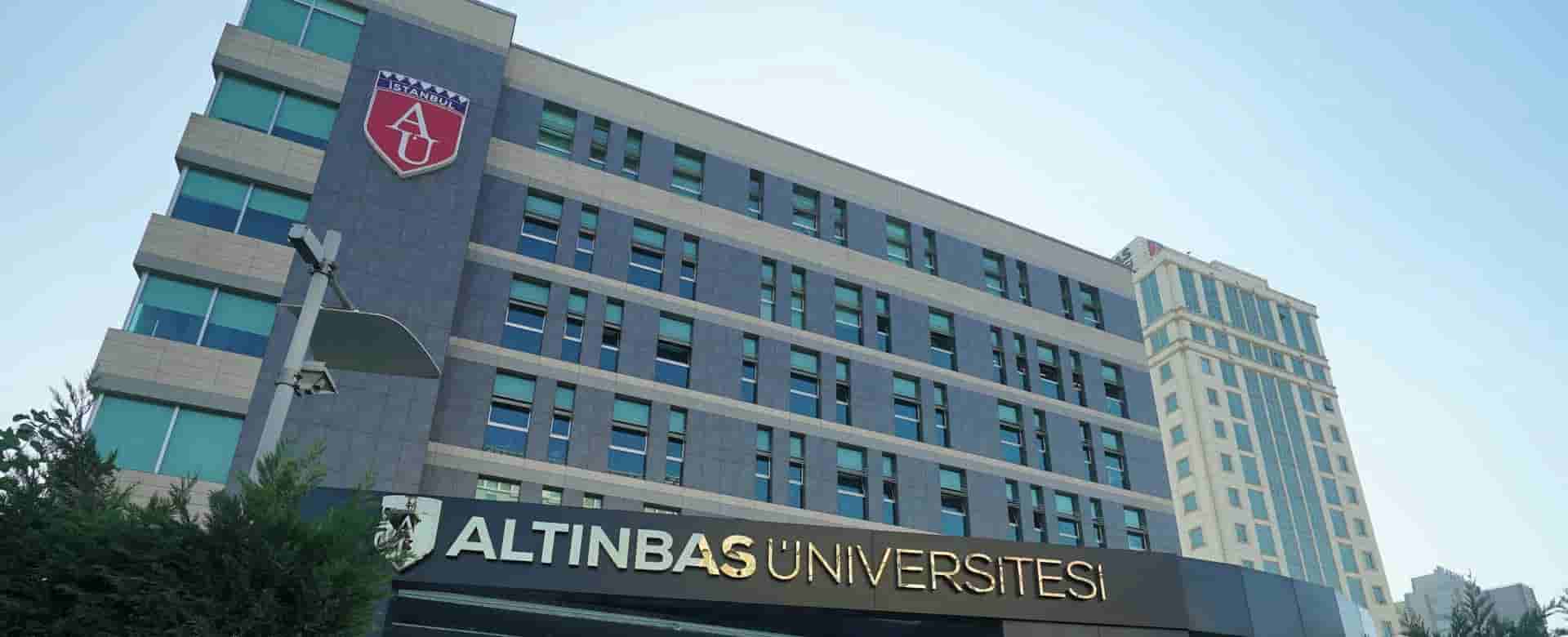 Dormitory
Istanbul, Turkey
 Dormitory
Istanbul, Turkey
 Dormitory
Istanbul, Turkey
 Dormitory
Istanbul, Turkey
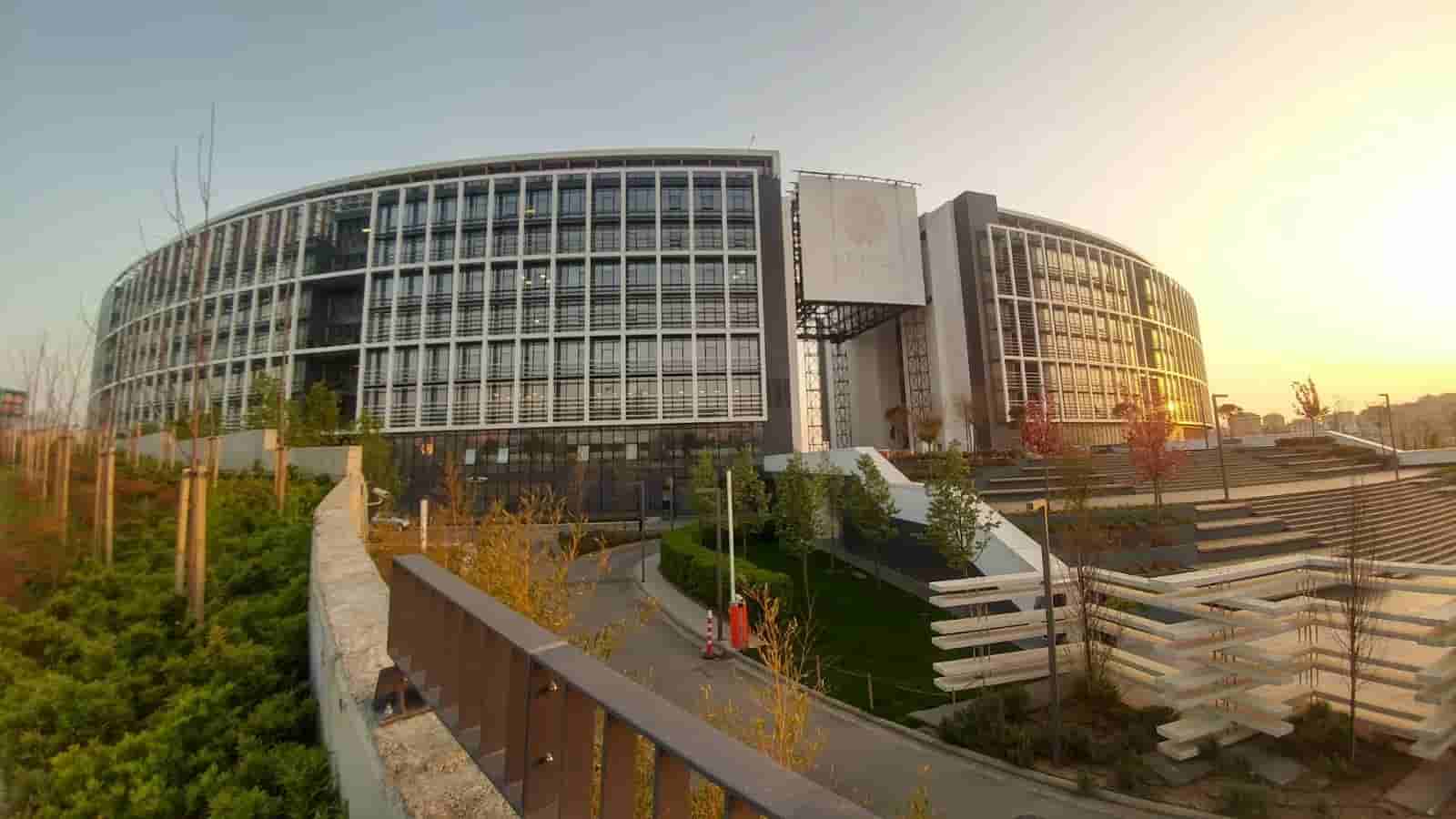 Dormitory
Istanbul, Turkey
 Dormitory
Istanbul, Turkey
 Dormitory
Istanbul, Turkey
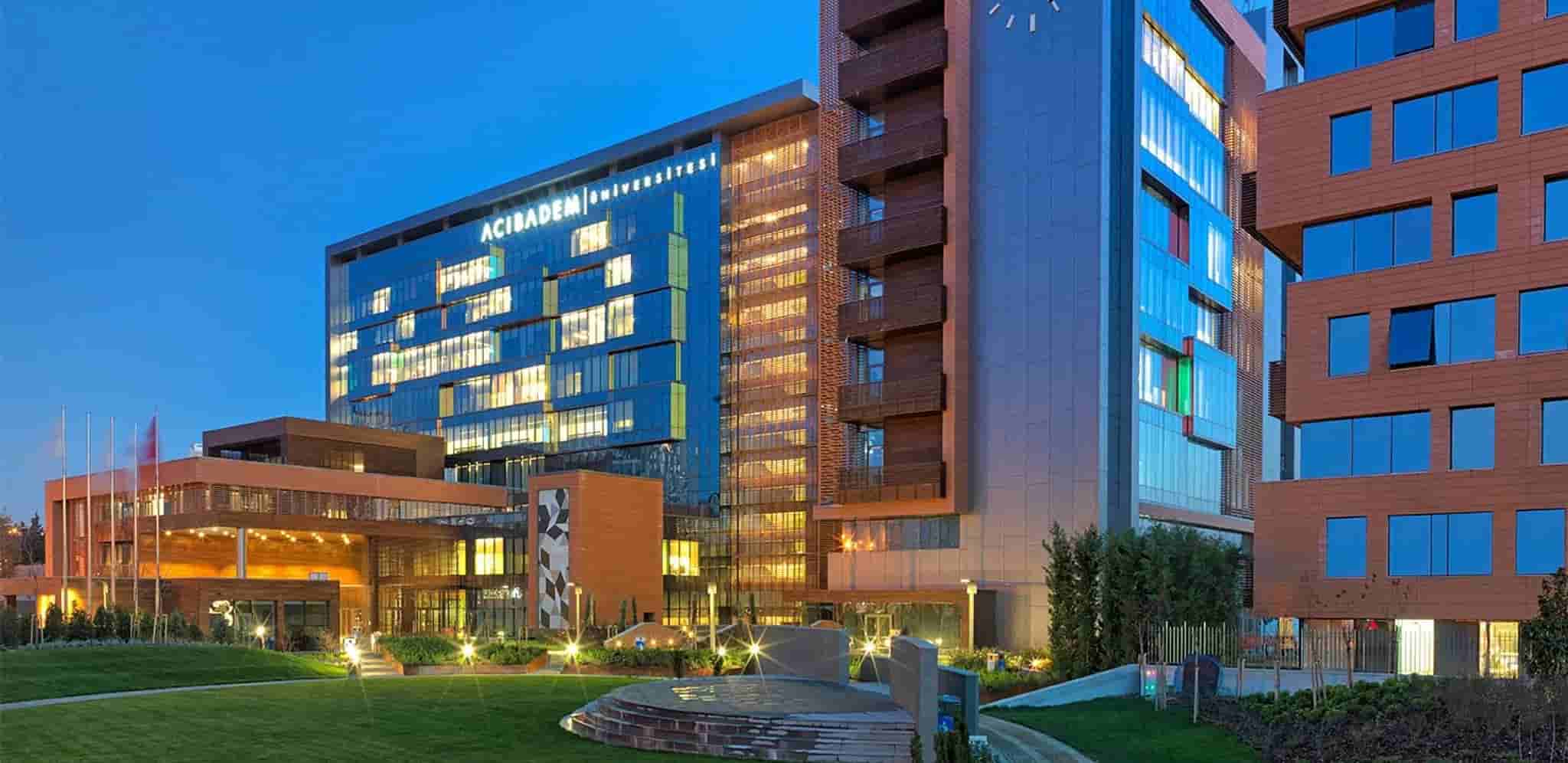 Dormitory
Istanbul, Turkey
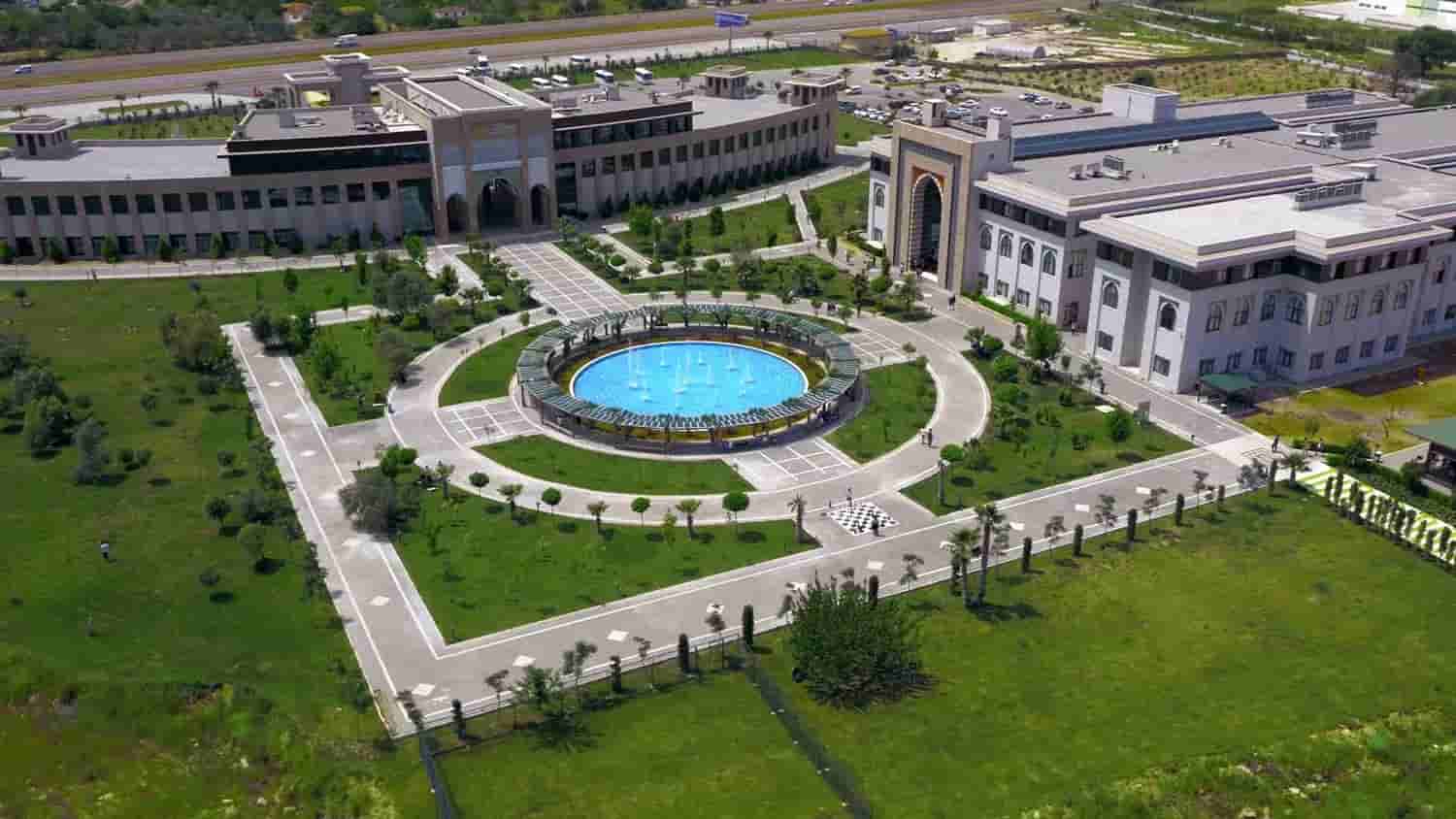 Dormitory
Antalya, Turkey
 Dormitory
Istanbul, Turkey
 Dormitory
Ankara, Turkey
 Dormitory
Istanbul, Turkey