

FAQs
Frequently Asked Questions and Answers

Uzbek students can study in Turkey in Turkish or in English, at public and private universities, and at levels from associate degrees to PhDs. English-taught programs need no Turkish. Turkish-taught programs ask for a language preparatory course if you are not yet fluent. Fees differ a lot from one university to the next, so compare them early.
Turkish universities offer undergraduate, graduate and doctoral programs. Undergraduate programs usually last four years, and medicine takes six. Graduate programs are master's and PhD studies, with an emphasis on research, internships and thesis work.
The curriculum combines theory with practical application, so students can prepare for a professional career as they study.

The table below lists private universities in Istanbul and Ankara, among them Istanbul Medipol, Ankara Medipol, Bilkent, Koç, Sabancı and Istanbul Aydın. Between them they list programs in medicine, engineering, business and the social sciences. Ankara Medipol, for example, lists medicine in both Turkish and English, and Koç lists computer engineering in English.
When you compare universities, look at the program itself, the campus facilities and the fee. Private university fees differ widely, so check the listed and discounted fee for each program.

Programs are taught in Turkish or English, and some universities also offer other languages such as German or French. Turkish-taught programs require a language preparatory course if you are not fluent. Universities run intensive preparatory classes that train reading, writing, speaking and comprehension.
Language is set program by program, so one university can teach different fields in different languages. At Istanbul Medipol, for example, the anesthesia associate program is listed in both Turkish and English. English-taught programs let you study without Turkish and suit students who are aiming for an international career.
Universities have student clubs, cultural events, sports facilities and volunteer opportunities. These help international students make friends, practice the language and learn about Turkish culture. Campuses also have cafeterias and libraries.
Accommodation options include university dormitories, private student residences and rented apartments.
Many Turkish universities build internships, workshops and research projects into their programs, and some have partnerships with national and international companies. Career centers help students prepare resumes and practice interviews. Some programs also include cooperative education, which combines classroom study with paid internships.
On the StudyLeo platform you can explore programs, submit applications and track your admission progress. We charge no service fee. We also advise on programs that fit your academic background, budget and language skills, help with scholarship applications where a university offers them, and communicate with universities for you. You upload your documents on the platform and receive updates there.
Universities offer academic advising, language courses, counseling, health care and cultural integration programs. Some also help with visas, accommodation and legal questions, and run peer mentorship programs for new students.
Frequently Asked Questions and Answers
Look out blogs and aware of the latest trends and updates
Explore top universities offering quality education, modern facilities, and diverse academic opportunities for students worldwide



 Dormitory
Ankara, Turkey
 Dormitory
Istanbul, Turkey
 Dormitory
Istanbul, Turkey
 Dormitory
Istanbul, Turkey
 Dormitory
Istanbul, Turkey
 Dormitory
Istanbul, Turkey
 Dormitory
Istanbul, Turkey
 Dormitory
Istanbul, Turkey
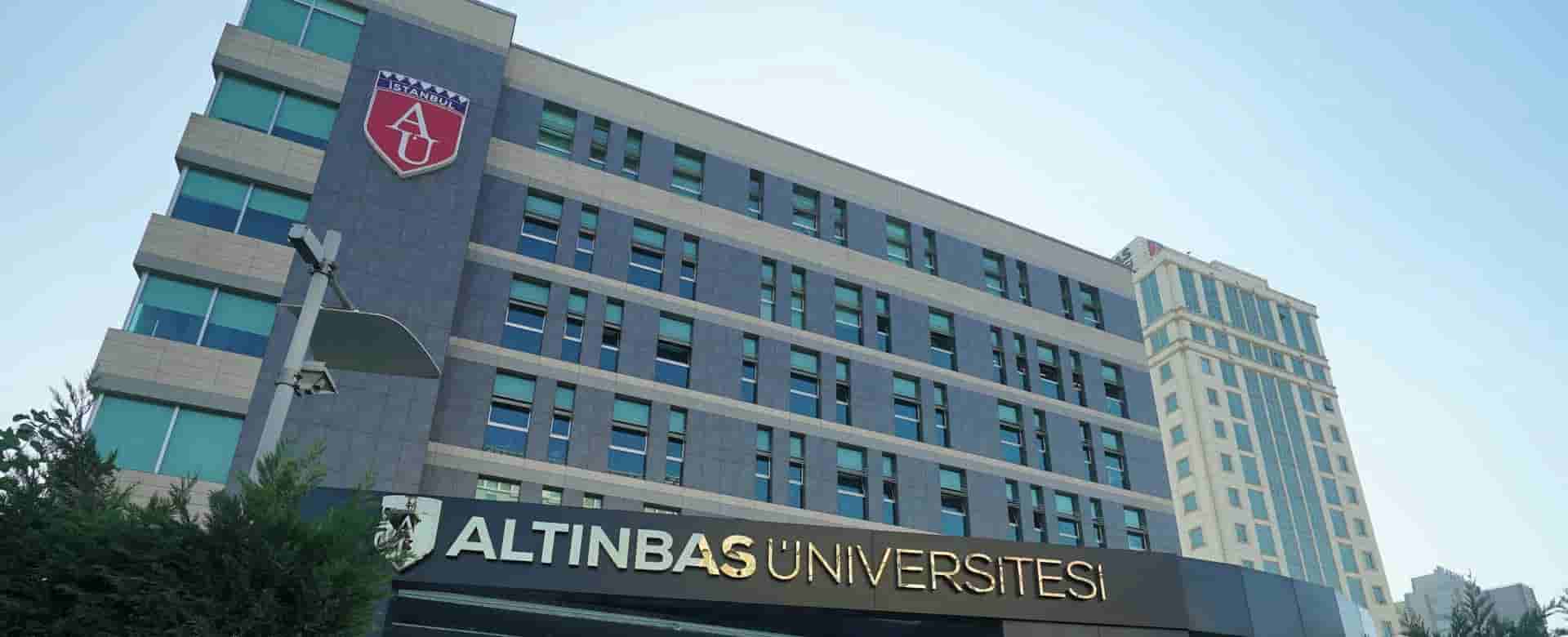 Dormitory
Istanbul, Turkey
 Dormitory
Istanbul, Turkey
 Dormitory
Istanbul, Turkey
 Dormitory
Istanbul, Turkey
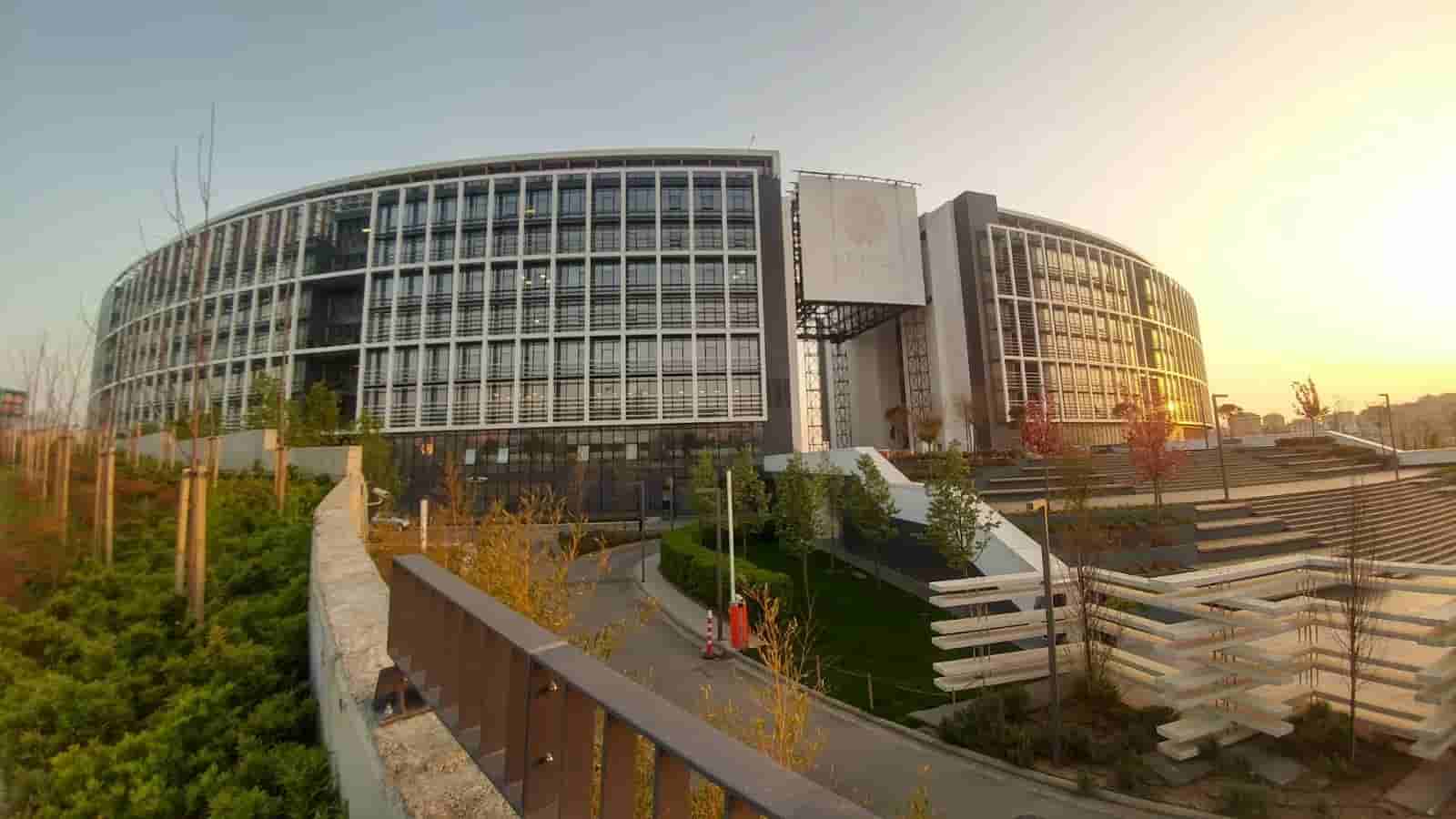 Dormitory
Istanbul, Turkey
 Dormitory
Istanbul, Turkey
 Dormitory
Istanbul, Turkey
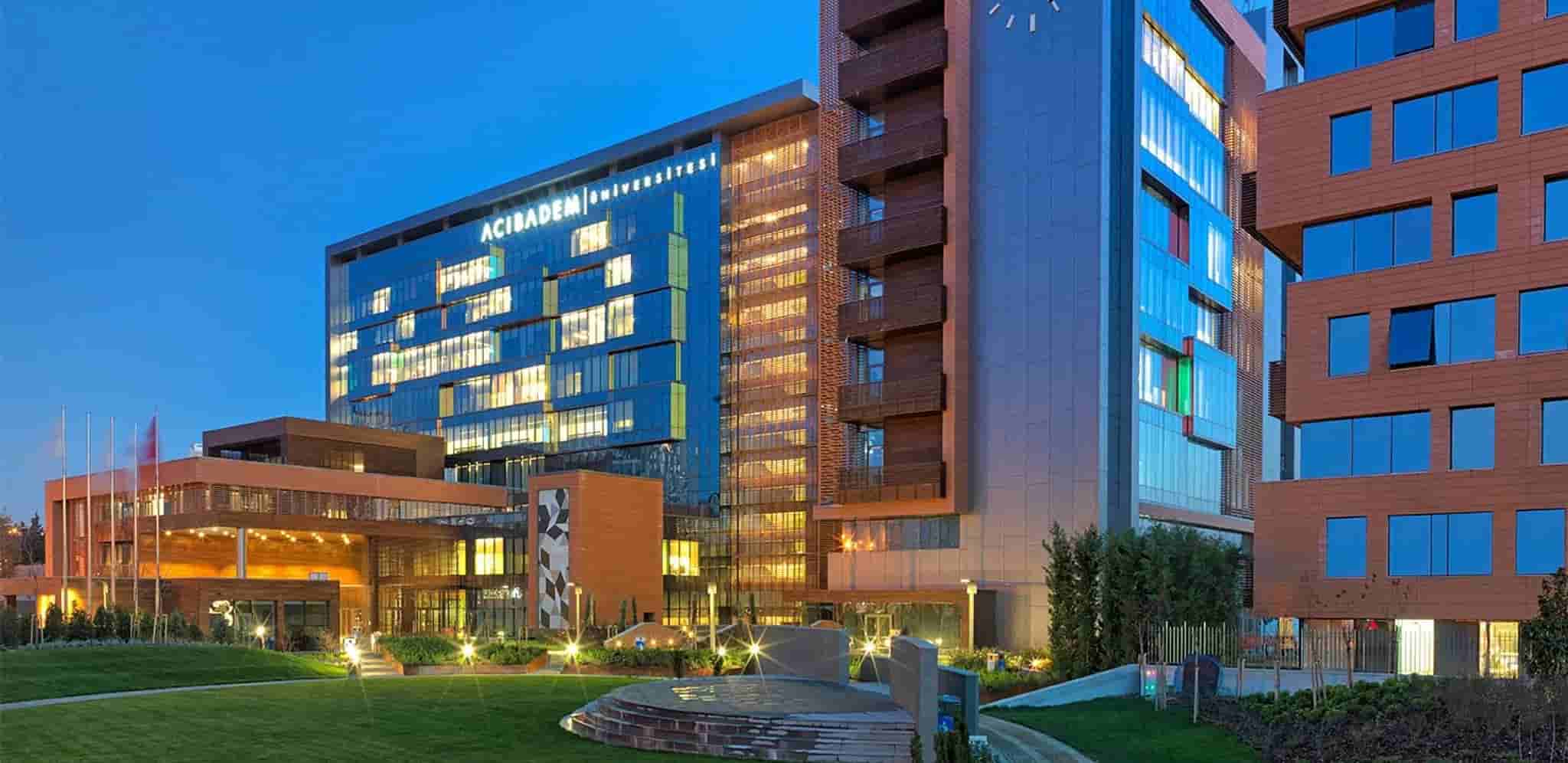 Dormitory
Istanbul, Turkey
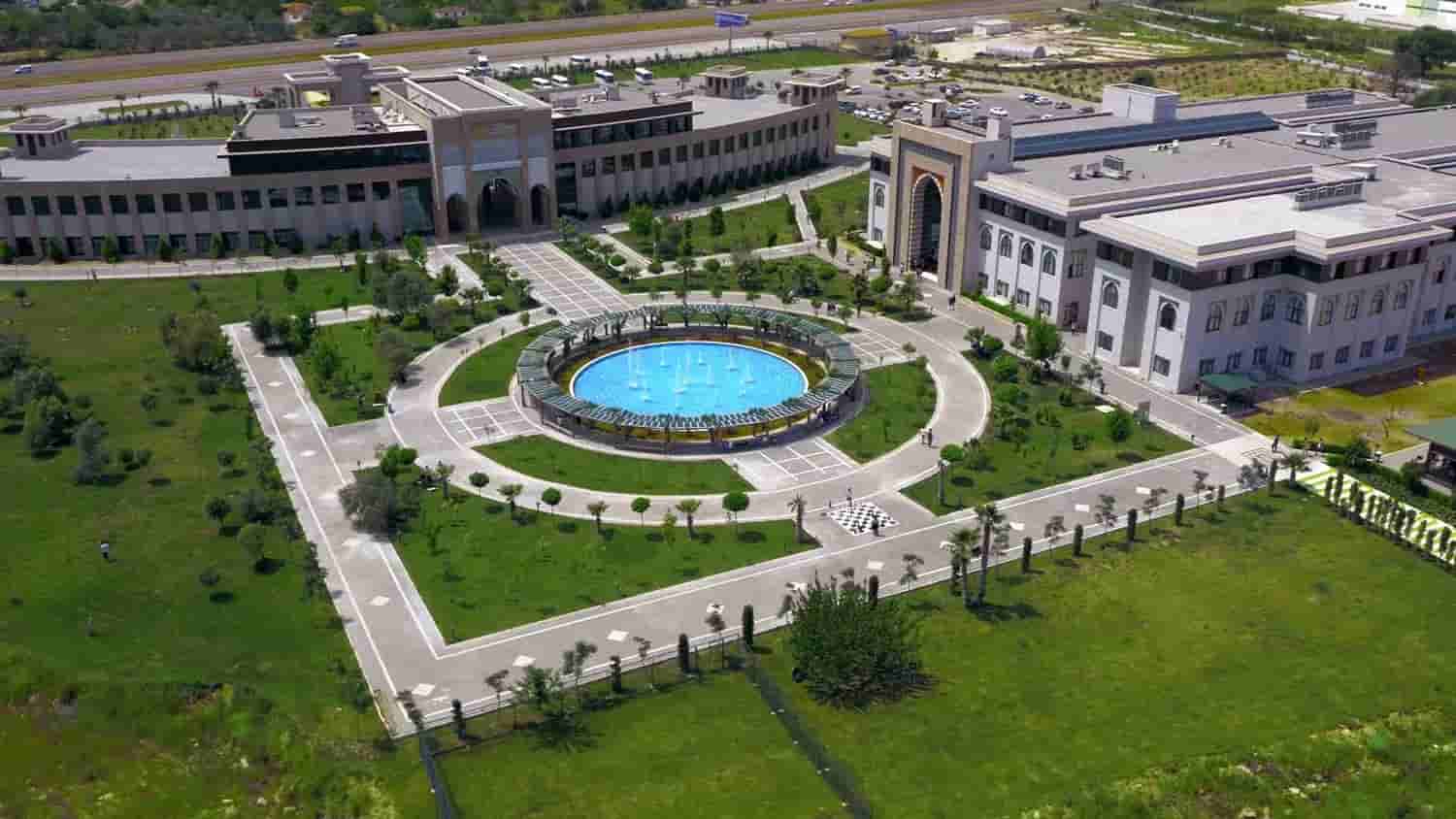 Dormitory
Antalya, Turkey
 Dormitory
Istanbul, Turkey
 Dormitory
Ankara, Turkey
 Dormitory
Istanbul, Turkey