




FAQs
Frequently Asked Questions and Answers

Students from Algeria study medicine, dentistry, engineering, cybersecurity and business at private universities in Turkey. Tuition is lower than at many European destinations, and the environment is international yet still feels culturally familiar.
The opportunities are real, but you need a plan before you apply.

Many students begin by searching for university names, which leaves them with a long list and no clear way to compare it. Start with the field instead and ask what suits your long-term goals.
Browse the programs first. Once you know your specialization, comparing universities is much easier.

Algerian students commonly choose these programs:
Medicine and dentistry have the highest tuition (see the tuition table below). Engineering degrees can lead into several job markets, and business programs connect to international trade. Cybersecurity is a growing field.
The program table lists English-taught programs in five of these fields: medicine, dentistry, civil engineering, computer engineering and business administration. Electrical engineering and cybersecurity are not in the table.
Once you know the program, compare universities on its language, fee, duration and city. Location, type and rating for each university are in the table below.
Annual tuition depends heavily on the field. The ranges below are approximate, and the program table above shows the listed fee and the discounted fee for each program.
Program field | Annual tuition range (USD) |
|---|---|
Medicine | 12,000 to 30,000 |
Dentistry | 10,000 to 25,000 |
Engineering | 4,000 to 8,000 |
Business Administration | 3,500 to 12,000 |
Some medicine programs cost more than the top of this range, so check the fee on the program page.
Living expenses in Istanbul typically run between 350 and 700 USD a month, depending on accommodation and lifestyle. Work out the full annual budget: tuition plus a full year of living costs.
Many foundation universities work with hospitals, technology companies and private firms. Internships often begin in later academic years, and students who take part in them build stronger profiles.
We encourage students to:
Graduates generally follow one of three paths: they work in Turkey, return to Algeria with a Turkish degree, or continue with postgraduate study abroad. YÖK is Turkey's higher education authority, and it recognizes the universities in Turkey. Whether Algeria or another country recognizes a Turkish degree is that country's decision, so ask the relevant authority before you enroll.

University life extends beyond lectures. Campuses generally have laboratories, digital libraries, sports facilities and student activity spaces, and the international student communities make it easier for Algerian students to settle in.
Istanbul is busy and gives access to employers. Ankara has a more focused academic atmosphere. Choose a city that fits both your field and your personal preferences.
We often see the same mistakes:
A simple order works best: choose the program first, shortlist three to five universities and prepare your documents early. When you stay organized, the process is manageable and less stressful.
Typically you need your secondary school diploma, your transcript, your passport and completed application forms. Requirements vary by university, so confirm the list with each one.
How long admission takes depends on the university and on how early your documents are ready. Early planning speeds up acceptance and visa processing.

You can compare universities and programs in one place on StudyLeo.
Frequently Asked Questions and Answers
Look out blogs and aware of the latest trends and updates
Explore top universities offering quality education, modern facilities, and diverse academic opportunities for students worldwide




 Dormitory
Ankara, Turkey
 Dormitory
Istanbul, Turkey
 Dormitory
Istanbul, Turkey
 Dormitory
Istanbul, Turkey
 Dormitory
Istanbul, Turkey
 Dormitory
Istanbul, Turkey
 Dormitory
Istanbul, Turkey
 Dormitory
Istanbul, Turkey
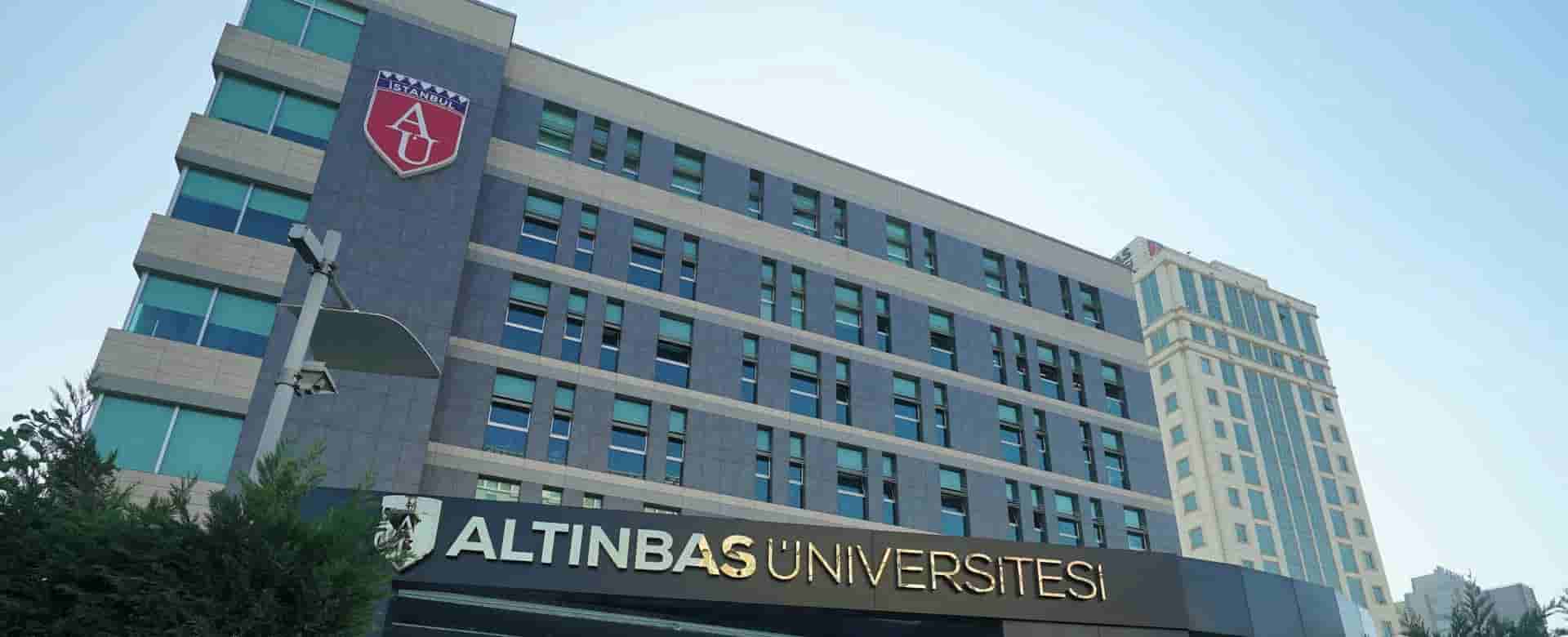 Dormitory
Istanbul, Turkey
 Dormitory
Istanbul, Turkey
 Dormitory
Istanbul, Turkey
 Dormitory
Istanbul, Turkey
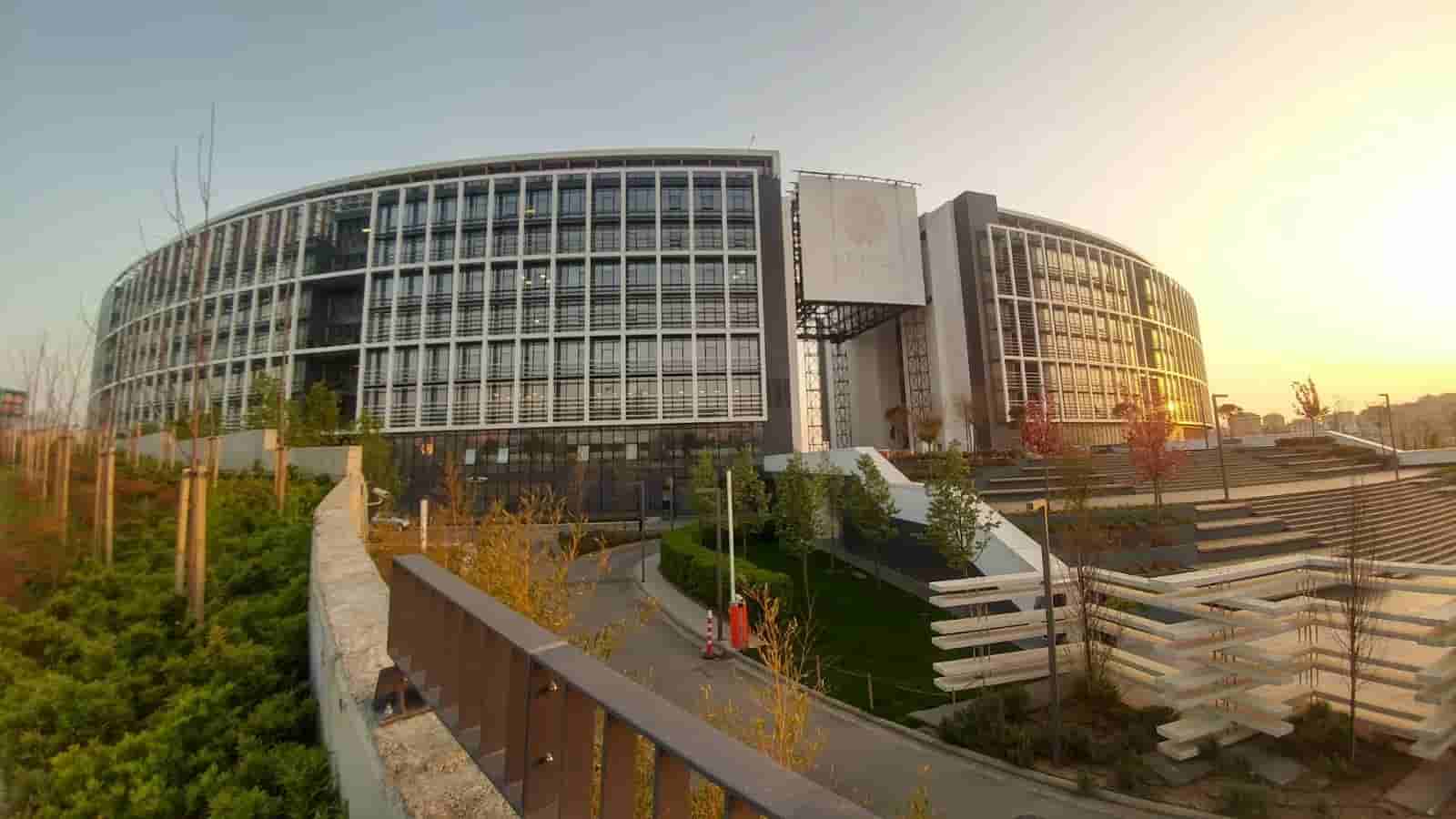 Dormitory
Istanbul, Turkey
 Dormitory
Istanbul, Turkey
 Dormitory
Istanbul, Turkey
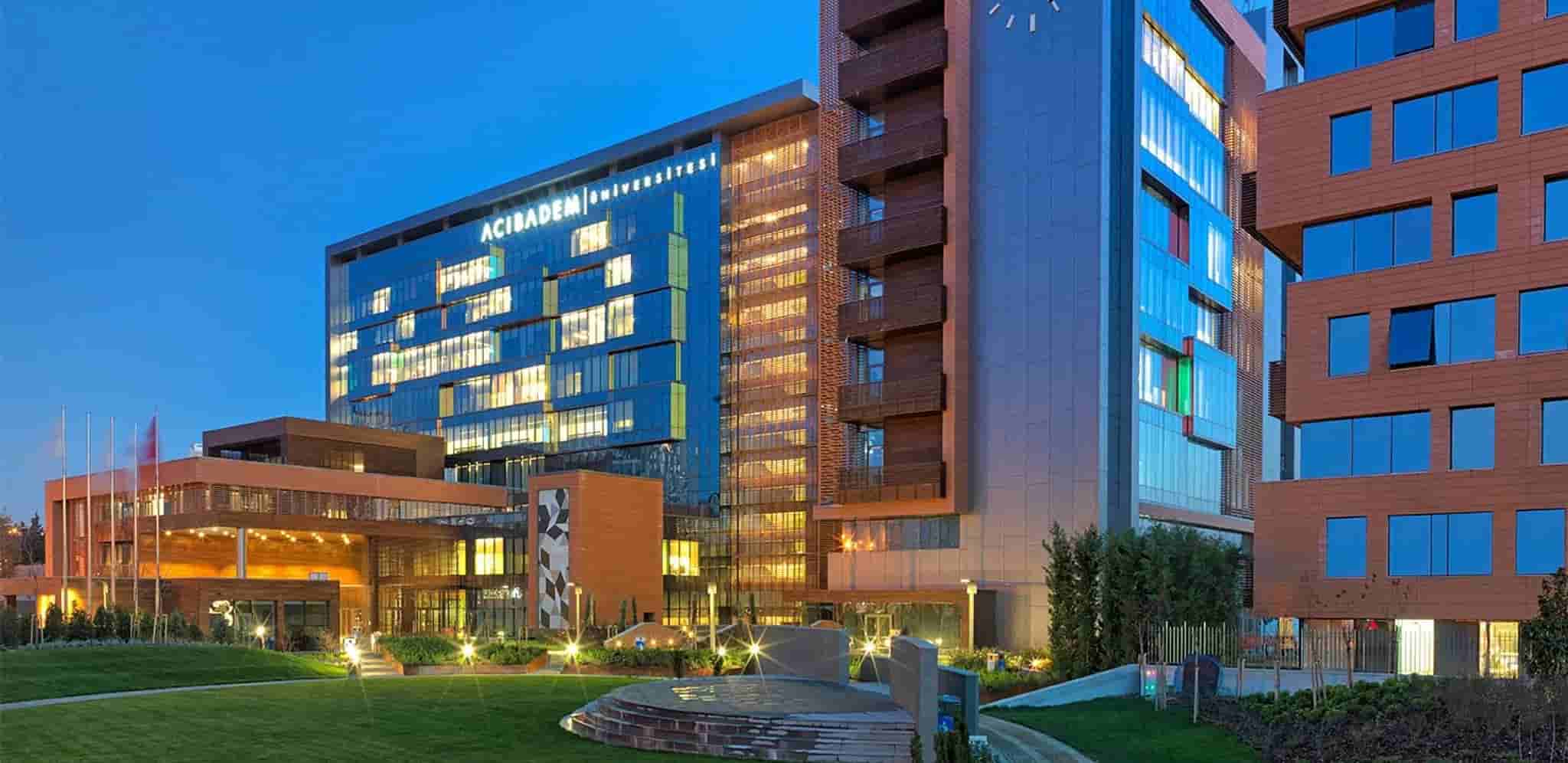 Dormitory
Istanbul, Turkey
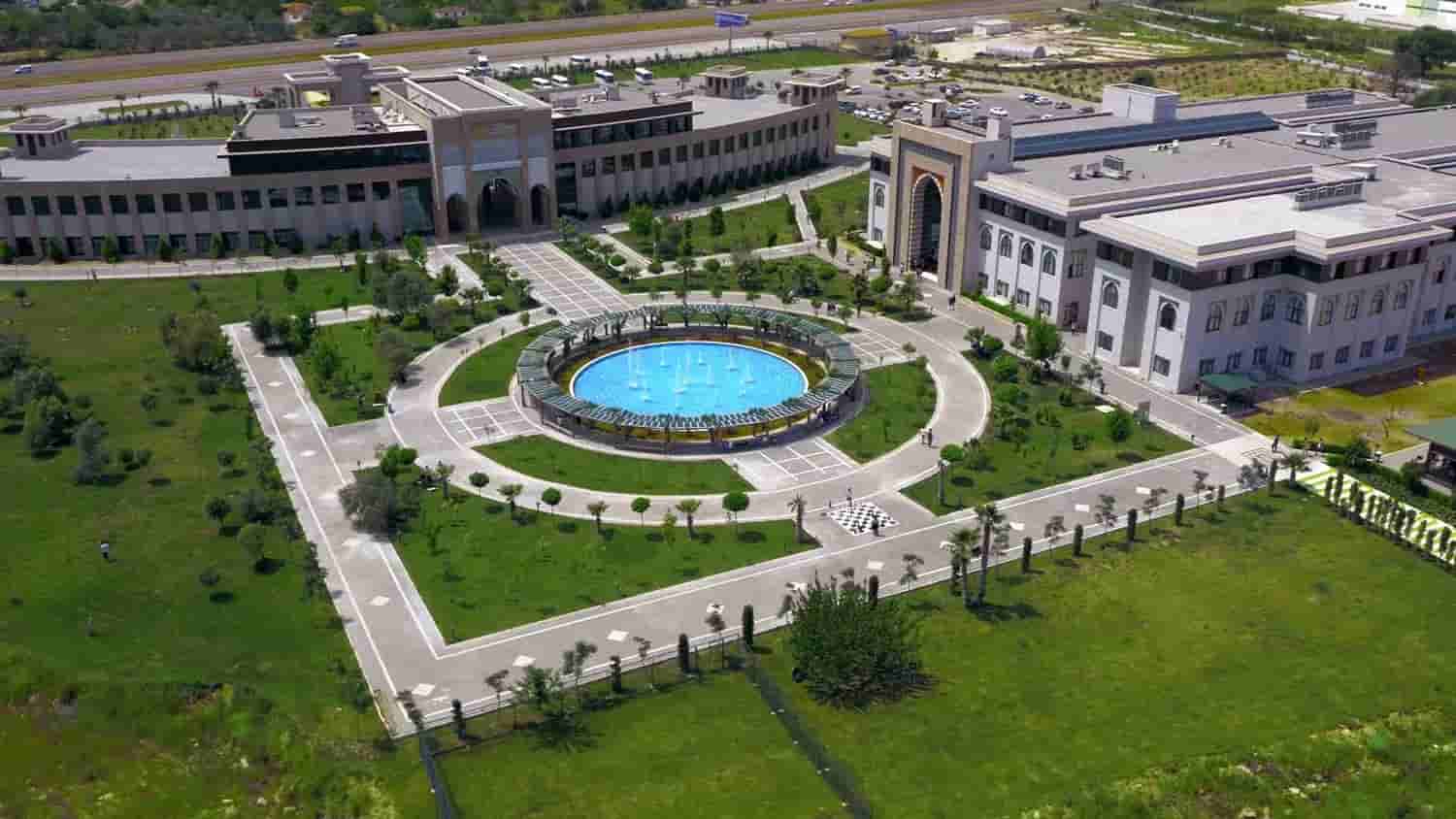 Dormitory
Antalya, Turkey
 Dormitory
Istanbul, Turkey
 Dormitory
Ankara, Turkey
 Dormitory
Istanbul, Turkey