Study in Turkey with a Vocational Diploma: Pathways and Costs
Students with a vocational diploma can continue to higher education in Turkey, but the rules for moving up are not always clear. Applicants run into unclear progression rules, mixed advice online, and inconsistent information about eligibility. Parents and advisers are often unsure how the diploma is treated and what the studies will cost.
Key takeaways
Vocational diploma holders can continue into associate programs or, depending on background and university policy, bachelor programs.
Applied programs cover fields such as health services, aviation, logistics, and technology.
Fees vary widely by program, so check the program table before you set a budget.
Complete, translated documents prevent delays.
Career outcomes depend largely on how much practical training you take part in.
Turkey's higher education system lets vocational diploma holders continue into bachelor-level programs, depending on their academic background and each university's policy. Associate degree programs typically last two years and focus on applied, industry-oriented training.
With a vocational qualification you can enter a related bachelor program or start at associate level to strengthen your academic base. İstanbul Topkapi University and Istanbul Aydin University both have associate and bachelor programs. Every university mentioned here is recognized by YÖK, but whether your diploma qualifies for a given program is up to the university.
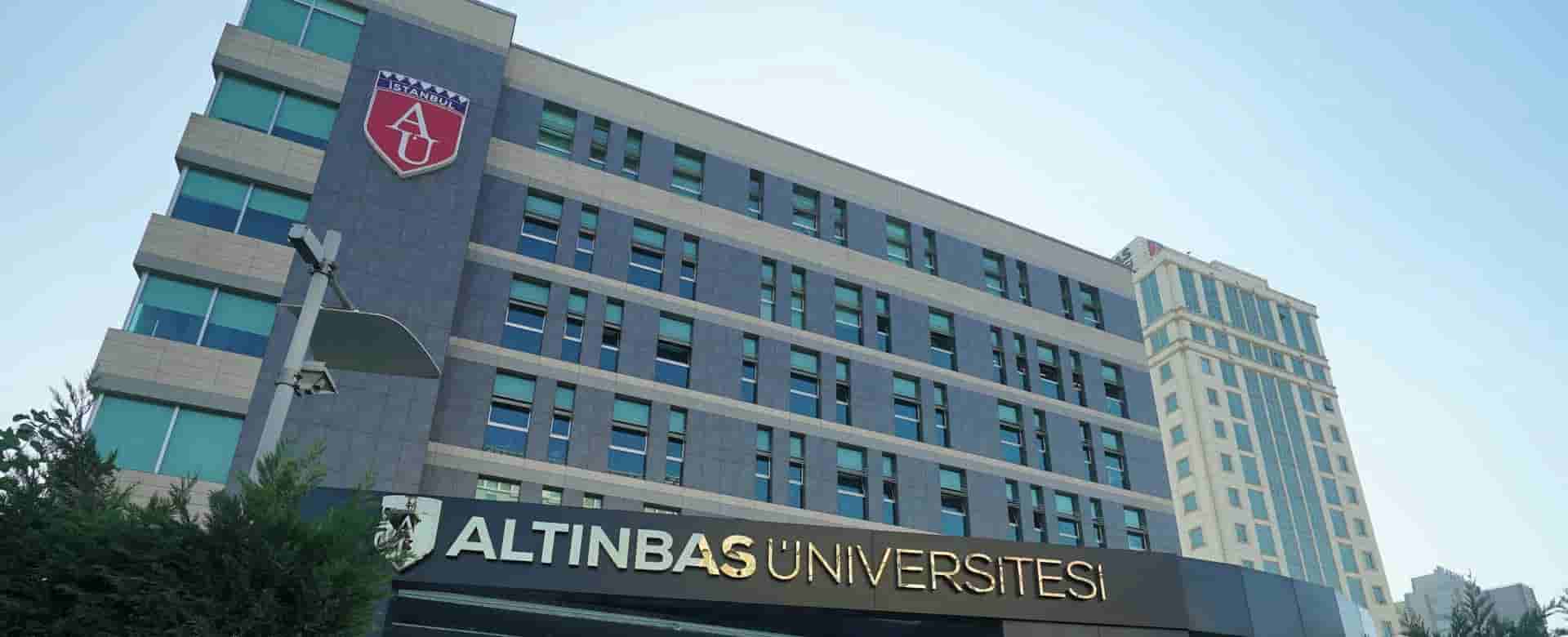
Applied programs in fields such as health services, aviation, logistics, and technology suit vocational diploma holders. Istanbul Medipol University, Altinbas University, and Antalya Bilim University all offer associate and bachelor programs.
Before you pick one, ask how much laboratory work and how many internships the program includes. Those details affect how easily your studies lead to a job.
The table below lists Bahcesehir University, Uskudar University, Ozyegin University, Istanbul Gelisim University, and Ankara Medipol University. Their strengths differ across business, health sciences, engineering technologies, and aviation.
Each university sets its own academic standards and decides which diplomas it accepts into which program, so ask before you apply.
Eligibility depends on your earlier education and on a complete set of documents. Universities look at your transcripts, how relevant your diploma is to the program, and your language level. The documents depend on the degree level, but expect to provide diplomas, transcripts, a passport, a graduation certificate, and a photo copy.
Many programs offer English instruction, particularly in business, health sciences, and engineering. If your English is below the level a university asks for, prepare before you apply.
Preparation goes beyond language. Academic writing, matching your subject knowledge to the program, and a realistic plan for the workload all affect how well you do.
Tuition varies by program and university. Associate and bachelor programs commonly cost between 2500 and 8000 USD a year, and specialized health or aviation fields may cost more. Some bachelor programs in the table are priced far higher, such as computer science at Ozyegin University.
Monthly living expenses generally run from 400 to 800 USD, depending on city and lifestyle. Istanbul needs a bigger budget than cities like Antalya or Izmir.
The table mixes degree levels. It includes only one associate program, medical imaging techniques at Ankara Medipol University, so use the degree column to find the level you can enter.
University
Program
Degree
Tuition Fee
Languages
Actions
Bahçeşehir University
Nursing
4 years
Bachelor
$6,375$7,013
English
Uskudar University
Artificial Intelligence Engineering
2 years
Master with Thesis
$4,800$5,280
Turkish
Uskudar University
Artificial Intelligence Engineering
1 years
Master non Thesis
$3,705$3,900
Turkish
Özyeğin University
Artificial Intelligence Engineering
1 years
Master non Thesis
$15,277$16,277
English
Özyeğin University
Artificial Intelligence Engineering
2 years
Master with Thesis
$15,277$16,277
English
Istanbul Gelisim Universi...
Electrical and Electronic Engineering
1 years
Master non Thesis
$3,500$4,500
English
Istanbul Gelisim Universi...
Electrical and Electronic Engineering
4 years
Bachelor
$4,500$4,750
English
Istanbul Gelisim Universi...
Electrical and Electronic Engineering
2 years
Master with Thesis
$5,000$7,000
Turkish
Bahçeşehir University
Electrical and Electronic Engineering
4 years
PhD
$40,000$44,000
English
Bahçeşehir University
Electrical and Electronic Engineering
1 years
Master non Thesis
$12,000$13,000
English
Bahçeşehir University
Electrical and Electronic Engineering
2 years
Master with Thesis
$14,000$15,000
English
Bahçeşehir University
Electrical and Electronic Engineering
4 years
Bachelor
$9,000$9,900
English
Özyeğin University
Computer Science
1 years
Master non Thesis
$15,277$16,277
English
Özyeğin University
Computer Science
2 years
Master with Thesis
$15,277$16,277
English
Özyeğin University
Computer Science
4 years
Bachelor
$25,000$27,500
English
Uskudar University
Cyber Security
1 years
Master non Thesis
$4,400$4,840
Turkish
Uskudar University
Cyber Security
2 years
Master with Thesis
$4,800$5,280
Turkish
Bahçeşehir University
Cyber Security
1 years
Master non Thesis
$12,000$13,200
English
Bahçeşehir University
Cyber Security
2 years
Master with Thesis
$14,000$15,400
English
Istanbul Aydin University
Cyber Security
1 years
Master non Thesis
$10,000$11,000
English
Ankara Medipol University...
Medical Imaging Techniques
2 years
Associate
$2,250$2,475
Turkish
Bahçeşehir University
Health Sciences
Program Name
Nursing
DegreeBachelor
LanguagesEnglish
6,375 USD/7,013 USD
Uskudar University
Institute of Graduate Programs
Program Name
Artificial Intelligence Engineering
DegreeMaster with Thesis
LanguagesTurkish
4,800 USD/5,280 USD
Uskudar University
Institute of Graduate Programs
Program Name
Artificial Intelligence Engineering
DegreeMaster non Thesis
LanguagesTurkish
3,705 USD/3,900 USD
Özyeğin University
Institute of Graduate Programs
Program Name
Artificial Intelligence Engineering
DegreeMaster non Thesis
LanguagesEnglish
15,277 USD/16,277 USD
Özyeğin University
Institute of Graduate Programs
Program Name
Artificial Intelligence Engineering
DegreeMaster with Thesis
LanguagesEnglish
15,277 USD/16,277 USD
Istanbul Gelisim University
Institute of Graduate Programs
Program Name
Electrical and Electronic Engineering
DegreeMaster non Thesis
LanguagesEnglish
3,500 USD/4,500 USD
Istanbul Gelisim University
Engineering
Program Name
Electrical and Electronic Engineering
DegreeBachelor
LanguagesEnglish
4,500 USD/4,750 USD
Istanbul Gelisim University
Institute of Graduate Programs
Program Name
Electrical and Electronic Engineering
DegreeMaster with Thesis
LanguagesTurkish
5,000 USD/7,000 USD
Bahçeşehir University
Institute of Graduate Programs
Program Name
Electrical and Electronic Engineering
DegreePhD
LanguagesEnglish
40,000 USD/44,000 USD
Bahçeşehir University
Institute of Graduate Programs
Program Name
Electrical and Electronic Engineering
DegreeMaster non Thesis
LanguagesEnglish
12,000 USD/13,000 USD
Bahçeşehir University
Institute of Graduate Programs
Program Name
Electrical and Electronic Engineering
DegreeMaster with Thesis
LanguagesEnglish
14,000 USD/15,000 USD
Bahçeşehir University
Engineering
Program Name
Electrical and Electronic Engineering
DegreeBachelor
LanguagesEnglish
9,000 USD/9,900 USD
Özyeğin University
Institute of Graduate Programs
Program Name
Computer Science
DegreeMaster non Thesis
LanguagesEnglish
15,277 USD/16,277 USD
Özyeğin University
Institute of Graduate Programs
Program Name
Computer Science
DegreeMaster with Thesis
LanguagesEnglish
15,277 USD/16,277 USD
Özyeğin University
Engineering
Program Name
Computer Science
DegreeBachelor
LanguagesEnglish
25,000 USD/27,500 USD
Uskudar University
Institute of Graduate Programs
Program Name
Cyber Security
DegreeMaster non Thesis
LanguagesTurkish
4,400 USD/4,840 USD
Uskudar University
Institute of Graduate Programs
Program Name
Cyber Security
DegreeMaster with Thesis
LanguagesTurkish
4,800 USD/5,280 USD
Bahçeşehir University
Institute of Graduate Programs
Program Name
Cyber Security
DegreeMaster non Thesis
LanguagesEnglish
12,000 USD/13,200 USD
Bahçeşehir University
Institute of Graduate Programs
Program Name
Cyber Security
DegreeMaster with Thesis
LanguagesEnglish
14,000 USD/15,400 USD
Istanbul Aydin University
Institute of Graduate Programs
Program Name
Cyber Security
DegreeMaster non Thesis
LanguagesEnglish
10,000 USD/11,000 USD
Ankara Medipol University
Health Sciences
Program Name
Medical Imaging Techniques
DegreeAssociate
LanguagesTurkish
2,250 USD/2,475 USD
🔄 Updated: Oct 23, 2026 01:46
Student life, housing, and careers
Housing options include dormitories and private rentals, so ask each university what help it gives with finding a place. The main adjustments are cultural, the academic pace, and managing money.
Graduates of these pathways look for work in healthcare support services, logistics management, information technology, and applied engineering. How that goes depends mostly on how much you take part in practical training.
Choosing on cost alone. Lower tuition does not guarantee program quality or industry relevance, so compare facilities and graduate outcomes first.
Ignoring language or academic readiness. Under-prepared students struggle to adapt, and building language and study skills early pays off.
Relying on unofficial sources. Online forums often give inconsistent advice, so use verified information from the university.
Missing deadlines. Late applications limit the programs still open.
Underestimating living expenses. Students often budget tuition accurately but miscalculate housing and daily costs.
We recommend applying through StudyLeo instead of contacting universities one by one. Registration, transfer support, and visa support are free, with no service fee, and StudyLeo works through direct partnerships with the universities.
Start at least eight to twelve months before you plan to enroll. First define your academic goals and check that the program accepts your vocational background. Then collect and translate your documents.
Once the documents are ready, apply through StudyLeo so the university can review your file. After you receive an acceptance, finalize your finances, housing, and visa documents so nothing is left to the last minute.
Look out blogs and aware of the latest trends and updates
Popular Universities
Explore top universities offering quality education, modern facilities, and diverse academic opportunities for students worldwide
Why Choose Us
Scholarships up to 100% We represent over 150 prestigious universities in Turkey, offering exclusive scholarships to ensure you pay the most competitive fees for your chosen program.
Free Application Process Complete the Free Application Form by uploading your documents and selecting the programs you wish to pursue in Turkey.
Admission to 150+ Universities At StudyLeo, we proudly partner with over 150 universities across Turkey, ensuring our students receive the best opportunities!
The Cheapest Tuition Fees We represent over 150 prestigious universities in Turkey, offering exclusive scholarships to ensure you pay the most competitive fees for your chosen program.
Absolutely Free Explore your educational options with our free consultation! We collaborate with various universities in Turkey to help you obtain partial scholarships and reduce your tuition fees.







 Dormitory
 Dormitory
 Dormitory
 Dormitory
 Dormitory
 Dormitory
 Dormitory
 Dormitory
 Dormitory
 Dormitory
 Dormitory
 Dormitory
 Dormitory
 Dormitory
 Dormitory
 Dormitory
 Dormitory
 Dormitory
 Dormitory
 Dormitory