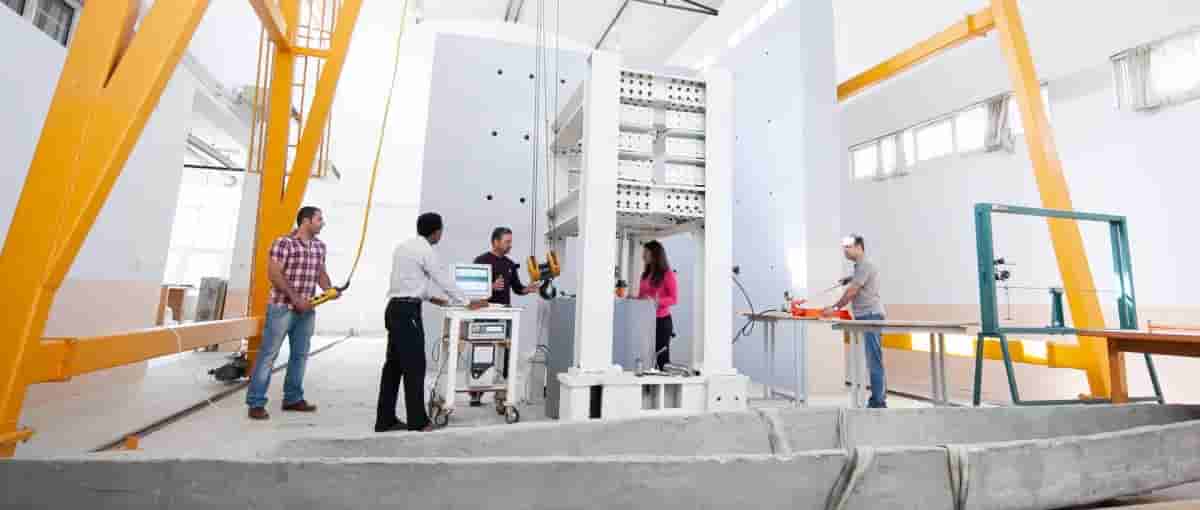
Turkey draws international students for two main reasons: degrees that are recognized abroad and costs that are lower than in many Western countries. Students come from more than 180 countries, so you will study alongside people from many cultures. Universities teach medicine, engineering, business and the social sciences, often on modern campuses with research facilities and international partnerships.

Why international students choose Turkey
Turkish universities teach theory and also put weight on practical skills that prepare students for careers in other countries. These are the main reasons students pick Turkey:
- Degrees are widely recognized across Europe, Asia and the Middle East.
- Many undergraduate and postgraduate programs are taught entirely in English.
- Tuition is more affordable than in many Western countries.
- Campuses have well-equipped laboratories, research centers and digital learning platforms.
- The living environment is safe, and student life is culturally and socially mixed.
- International student offices help with academic and personal matters.
- There are chances for cultural exchange and for building international contacts.
🔗 Link to this section
Popular fields of study
Turkish universities offer hundreds of majors built to match what employers expect worldwide. International students most often choose:
- Business Administration and International Management
- Computer Science, Software Engineering and Artificial Intelligence
- Electronics, Electrical and Mechanical Engineering
- Architecture and Civil Engineering
- Medicine, Dentistry, Nursing, Pharmacy and Physiotherapy
- International Relations and Global Studies
- Finance, Economics and Banking
- Law and Human Rights
- Tourism, Hospitality and Event Management
- Media, Communication and Digital Marketing
🔗 Link to this section
Well-known universities in Turkey
Many Turkish universities are respected for their academic results, international outlook and modern facilities. Some examples, with what each is known for:
- Sabancı University: engineering, business and advanced research
- Özyeğin University: an education model built around entrepreneurship
- Yeditepe University: a large international student population and English-medium programs
- TOBB University of Economics & Technology: cooperative education with industry partners
- İstanbul Medeniyet University: a modern public university with a research focus
- TED University: modern, student-centered teaching
- Acıbadem University: medicine and health sciences
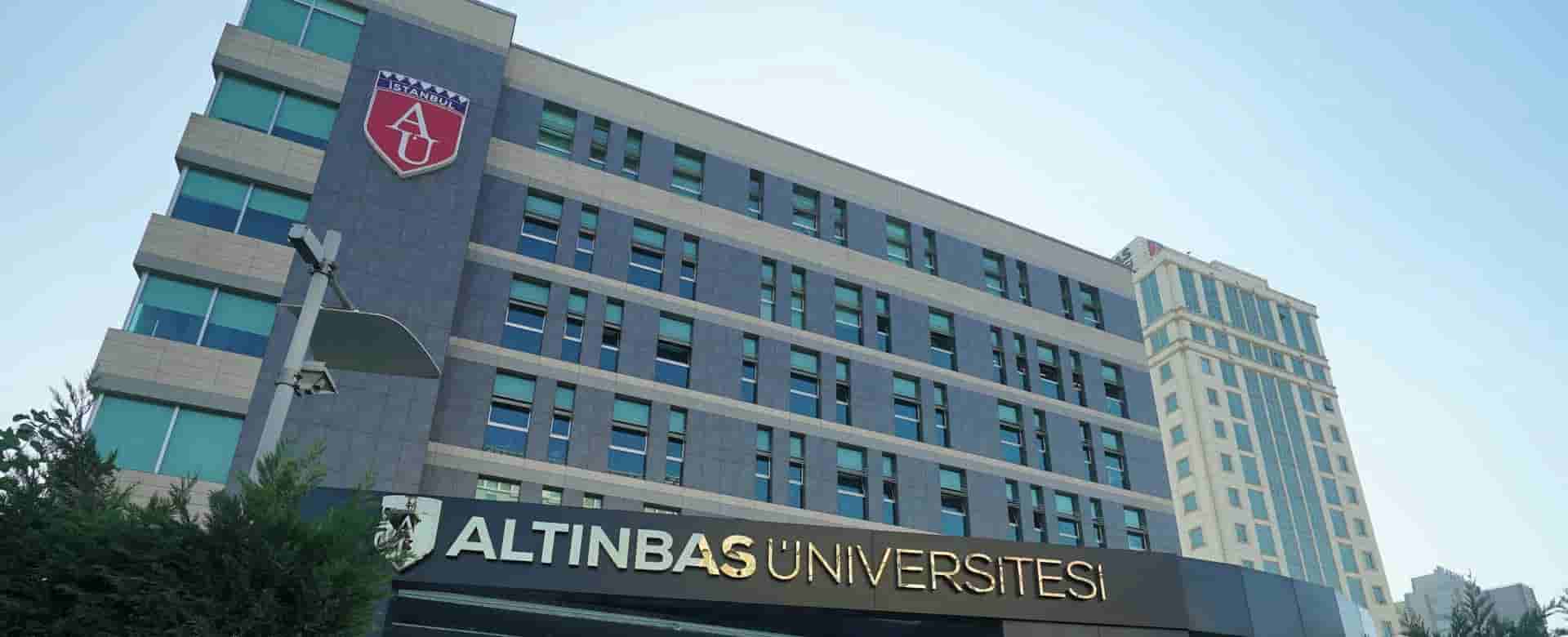
- Altınbaş University: business, law and engineering, and popular with international students
🔗 Link to this section
Degree levels and study options
Turkish universities offer bachelor's, master's and doctoral programs, and many also run distance and part-time study for students who work.
Bachelor's programs
- Engineering and technology
- Business, economics and social sciences
- Law and international studies
- Health sciences and medicine
- Architecture and construction
- Computer science and information technology
Master's programs
- Research-focused academic programs
- Professional specialization tracks
- Advanced laboratory and project work
- Teaching in English or Turkish
Doctoral programs
- Independent research
- Supervision by experienced academics
- International conferences and publications
- Work in university research centers
Distance and part-time study
- Virtual classrooms and online learning systems
- Flexible schedules for working students
- Set exam periods
- A wide choice of programs with online support
🔗 Link to this section
Tuition fees and financial support
Tuition in Turkey is relatively low compared with many other countries that have strong universities. What you pay depends on the type of university, the program and the language of instruction:
- Public universities: usually between 3,000 TL and 7,000 TL per year, depending on the program and the language of instruction.
- English-taught engineering, medical and other specialized programs: usually 50,000 TL to 70,000 TL per year, mainly at private or foundation universities.
- Private universities in general: fees vary widely by field of study, facilities and the university's reputation.
Depending on your program, you may also qualify for a scholarship, a tuition discount, a government-funded program or the university's own financial aid. StudyLeo can help you find affordable options and complete the application.
🔗 Link to this section
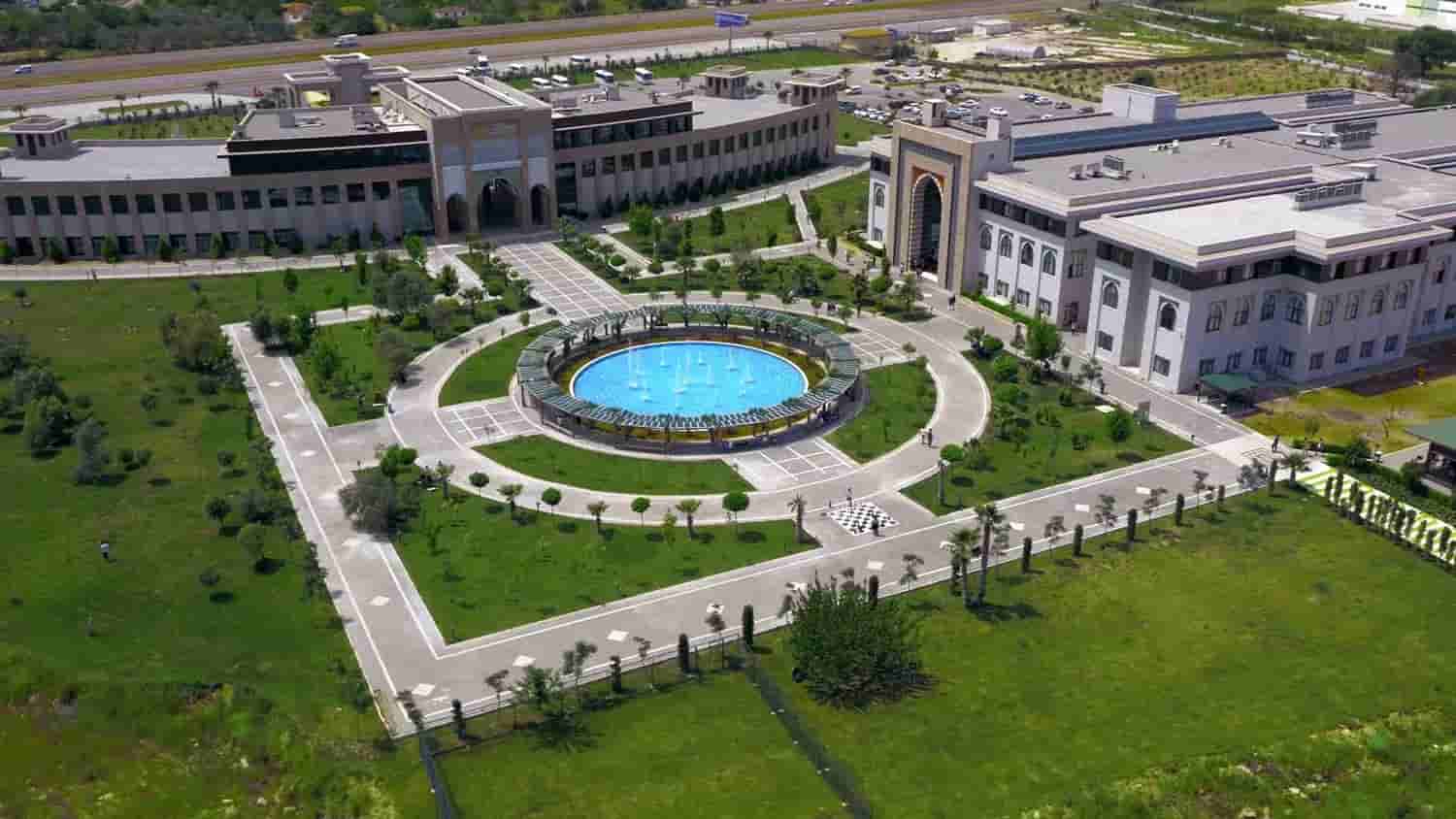
Campus life and facilities
Campuses keep students busy outside class. Most universities have:
- Student clubs and organizations
- Sports complexes and tournaments
- Cultural festivals and international student events
- Workshops, seminars and academic events
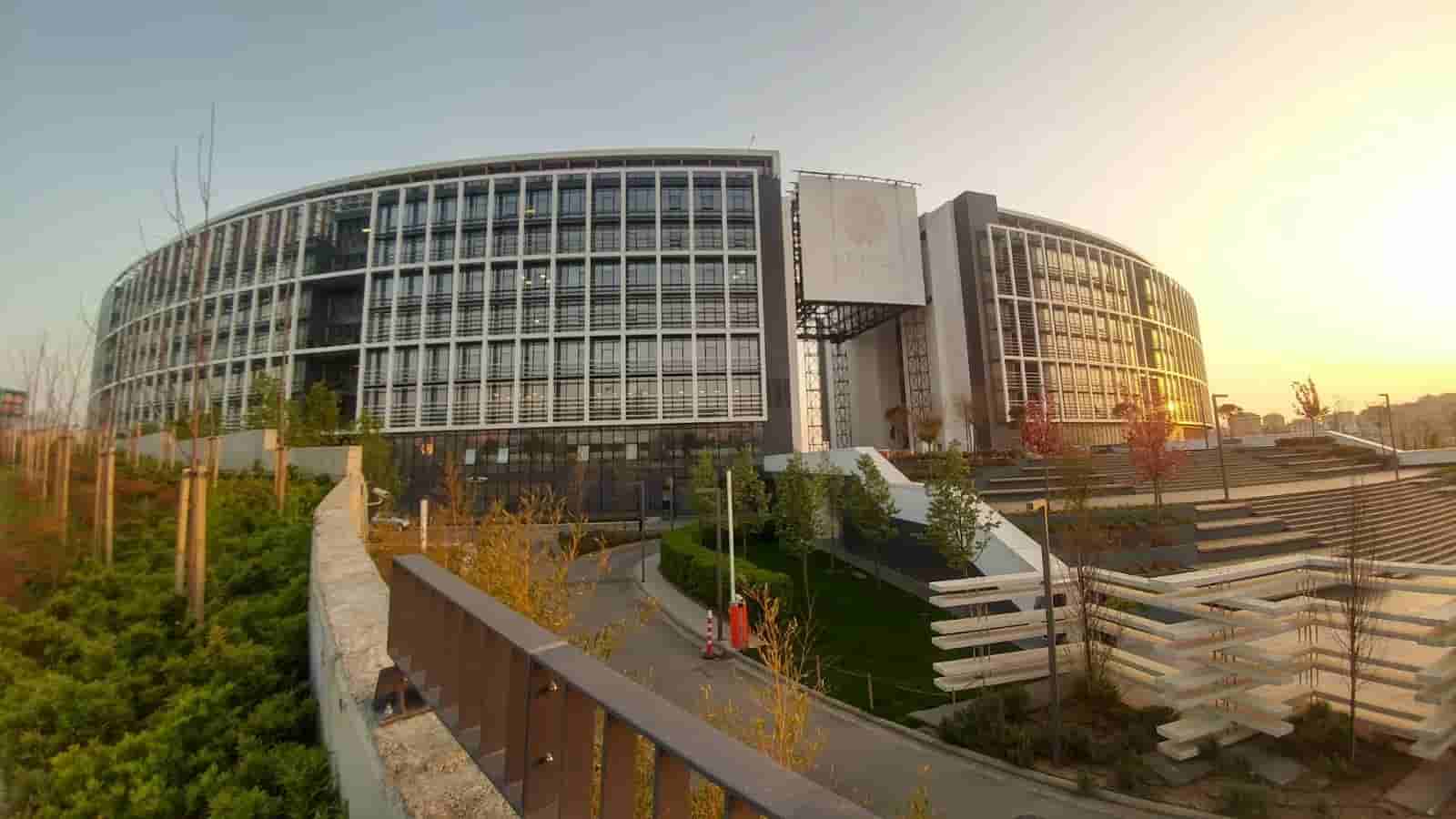
- Modern dormitories and comfortable living spaces
- Libraries, study halls and research labs
🔗 Link to this section
Documents you need to apply
The list depends on the degree you apply for.
Bachelor's
- High school diploma
- High school transcript
- Passport or national ID
- Photographs
Master's
- Bachelor's diploma
- Bachelor's transcript
- Recommendation letters
- Passport or ID
- Photographs
Doctorate
- Bachelor's and master's diplomas
- Transcripts
- Graduation certificate
- Passport
- Photo
🔗 Link to this section
Student life in Turkey
Turkey has international student communities, cultural events and modern housing options. Most students settle in quickly and build a social life alongside their studies.
🔗 Link to this section

Living costs for students
Typical monthly costs for a student in Turkey:
- Accommodation: 120 to 200 USD
- Food and personal expenses: 200 to 300 USD
- Transportation: around 100 USD
- Utilities and internet: 50 to 60 USD
🔗 Link to this section
Applying through StudyLeo
You can manage the whole university application through StudyLeo. Registration and visa support are free, and our team guides you through each admission step, from choosing a program and preparing documents to enrollment.






 Dormitory
 Dormitory
 Dormitory
 Dormitory
 Dormitory
 Dormitory
 Dormitory
 Dormitory
 Dormitory
 Dormitory
 Dormitory
 Dormitory
 Dormitory
 Dormitory
 Dormitory
 Dormitory
 Dormitory
 Dormitory
 Dormitory
 Dormitory