FAQs
Frequently Asked Questions and Answers

Turkey has quickly become a popular destination for Indian students who want to study MBBS. Its medical universities are recognized worldwide, its hospitals are modern, and its education costs less than in the UK, USA or Australia. More medical programs are now taught in English, and they follow European standards. Indian students train in advanced simulation labs, see patients early and earn degrees that are internationally accredited and approved by WHO, NMC, WFME and ECFMG.
Many Indian students find the culture familiar and the cities safe, and the universities give strong academic support. Teaching is built on problem-based learning, hands-on clinical practice and research-oriented coursework. After graduating, students can return to India for the NExT exam, apply for residency in Turkey through TUS, or practice in the Gulf and in Europe. StudyLeo helps Indian students choose a university, prepare their documents and get through admission.
In Turkey, the undergraduate medical degree is officially called "Tıp Doktoru" (Doctor of Medicine), and Indian students know it as MBBS. It takes 6 years and is taught mainly in Turkish, although several universities, including Istanbul, Hacettepe and Ankara, offer English-medium tracks.
The degree is equivalent to the MBBS (Bachelor of Medicine, Bachelor of Surgery) awarded in Commonwealth countries. It combines two years of pre-clinical sciences, three years of clinical training and a compulsory one-year internship, called staj.

A Turkish medical degree combines solid teaching with value on the international job market. Students see patients early, train in advanced laboratories and learn modern diagnostic technology, so they build strong practical skills. Tuition and living costs are much lower than in Western countries.
Programs are taught in English, carry international accreditation and come with structured academic guidance. The curriculum follows European standards, which helps graduates who later want to specialize abroad. Graduates can sit NExT, TUS, PLAB or USMLE, so several countries are open to them. A welcoming culture and a mixed international student community make Turkey a comfortable place for Indian students to live.
These universities suit Indian students well, and each is known for particular medical fields.
Hacettepe is strongest in surgery, pediatrics, internal medicine and neurology. Its research centers are ranked in Europe, and its clinical rotations are advanced.
Yeditepe is a private university with a fully English MBBS program and an American-style curriculum. Its leading fields are cardiology, dermatology, radiology, and gynecology and obstetrics.
Ege runs one of the largest university hospitals in Turkey. It is best known for orthopedics, trauma surgery and emergency medicine.
Medipol's large private hospital network gives students extensive training. Its strongest fields are cardiovascular surgery, neurosurgery and anesthesiology.
Marmara has a strong English-medium medicine program with plenty of clinical exposure. It is best for general medicine, pharmacology and family medicine.
Lokman Hekim is known for modern labs, strong training in diagnostics and its international students. Radiology, oncology and pathology are its leading fields.
Istanbul University is one of the oldest institutions in Turkey, and its medical faculty is respected abroad. It stands out in internal medicine, ENT and ophthalmology.
Before you apply for MBBS or another medical program in Turkey, you need to prepare academic and identity documents. Universities use them to check your educational background, your eligibility and your readiness for medical studies. The admission process is well organized, and correct documents lead to a quick evaluation. Indian MBBS applicants also need to have qualified in NEET. The documents depend on whether you apply for an associate, bachelor's, master's or PhD program.
After MBBS, Indian students can specialize in fields such as:
The route to these specializations is Turkey's TUS residency exam, or an international exam such as NExT, PLAB or USMLE.
Students spend much of their time in hospital departments:
Students work as assistant doctors under supervision. They handle patients directly and rotate through all the major departments.
After MBBS, international graduates, Indian students among them, can work in accredited hospitals across Turkey once they pass the TUS residency exam or meet the licensing requirements for foreign doctors. Turkey has some of the most advanced healthcare institutions in the region, with modern medical technology, multidisciplinary treatment centers and strong research. These hospitals offer a lot of clinical exposure, competitive pay during residency and training to international standards.
Leading hospitals where Indian medical graduates may work include:
A private hospital network known for its surgery units, oncology centers and research laboratories.
A teaching hospital with advanced cardiology, neurosurgery, oncology and emergency care units. International graduates often choose it.
Among the top-ranked training hospitals in Turkey. Residency places here are highly competitive.
Known for strong general surgery, internal medicine and pediatrics departments.
Offers varied clinical rotations and residency places in many specialties.
A growing medical group with modern diagnostic centers and advanced treatment units.
One of the largest university hospitals, with residencies in surgery, trauma, internal medicine and emergency care.
Work at these hospitals gives graduates hands-on experience and a base for an international medical career in Turkey, the Gulf or Europe.

Because Turkish medical education is recognized internationally, graduates can look for work in India, Turkey, Europe, the Gulf countries or even the United States. Depending on the country, they sit NExT in India, TUS for residency in Turkey, or exams such as PLAB and USMLE.
For NEET-qualified Indian students who want an internationally respected medical degree that keeps many careers open, Turkey is a reliable choice. The structured 6-year curriculum builds both theoretical knowledge and advanced clinical skills.
Turkey gives Indian students a lively, multicultural environment. Cities are safe, accommodation is affordable and public transport works well. Campuses have libraries, research centers, cafeterias and sports facilities. Vegetarian and Indian food is widely available, and Turkish hospitality makes it easy to fit in. Students also join clubs, cultural festivals and international events.
StudyLeo gives Indian students personal counseling, helps them choose a university and supports them through admission to the top medical universities in Turkey.
Frequently Asked Questions and Answers
Look out blogs and aware of the latest trends and updates
Explore top universities offering quality education, modern facilities, and diverse academic opportunities for students worldwide


 Dormitory
Ankara, Turkey
 Dormitory
Istanbul, Turkey
 Dormitory
Istanbul, Turkey
 Dormitory
Istanbul, Turkey
 Dormitory
Istanbul, Turkey
 Dormitory
Istanbul, Turkey
 Dormitory
Istanbul, Turkey
 Dormitory
Istanbul, Turkey
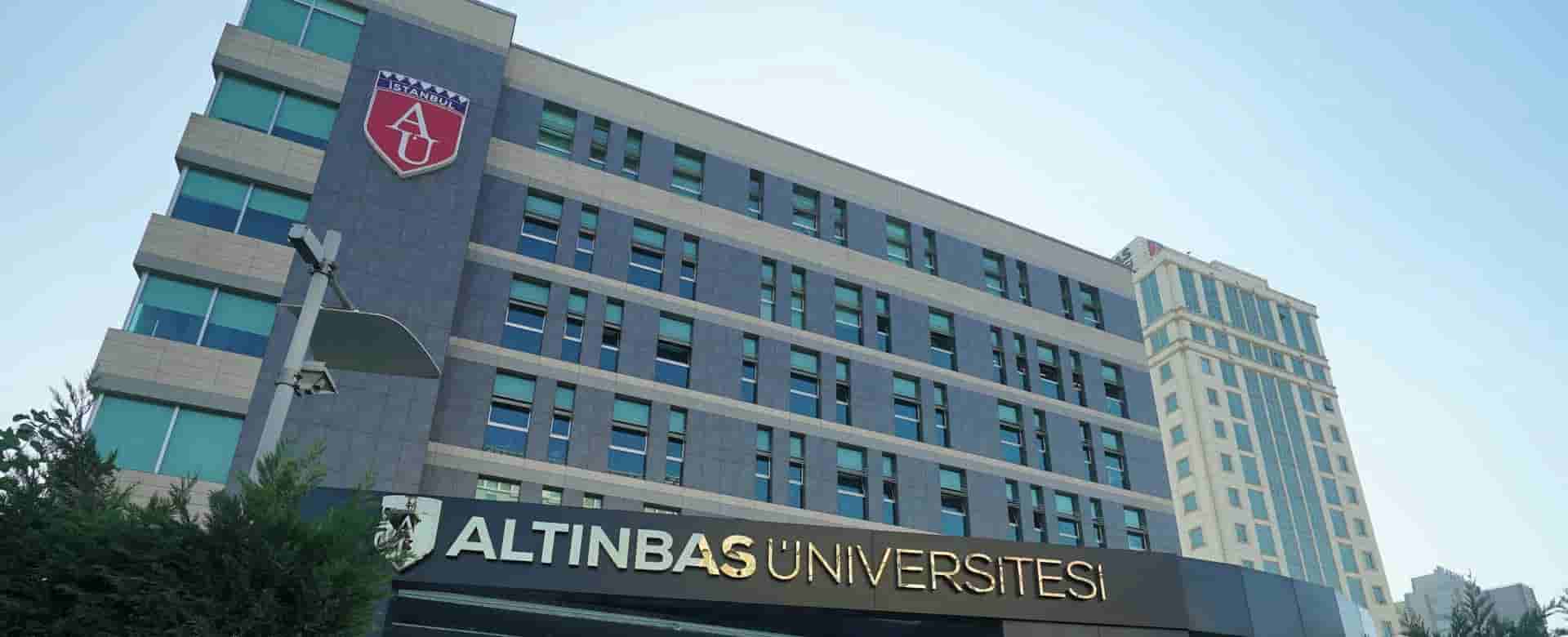 Dormitory
Istanbul, Turkey
 Dormitory
Istanbul, Turkey
 Dormitory
Istanbul, Turkey
 Dormitory
Istanbul, Turkey
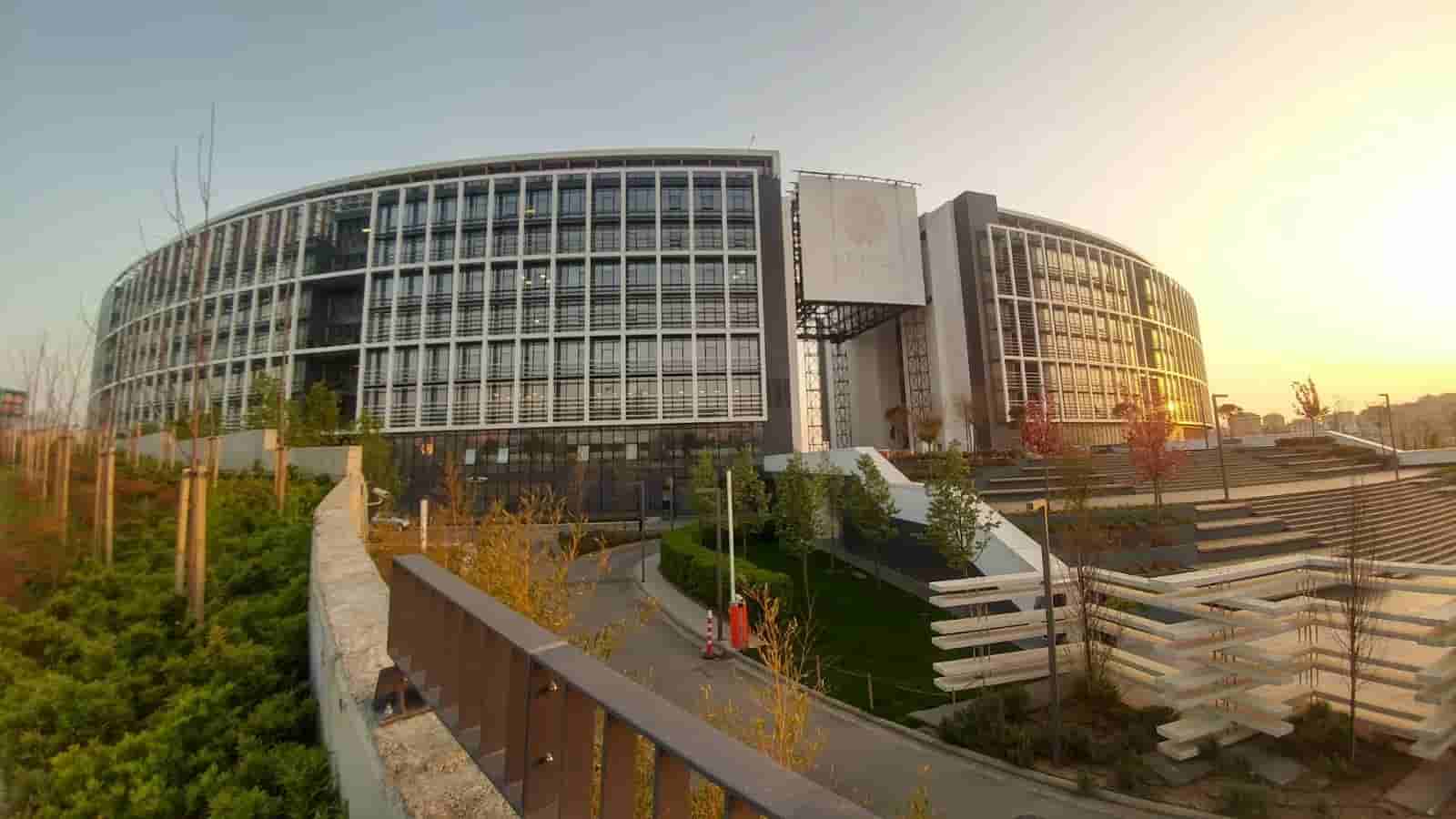 Dormitory
Istanbul, Turkey
 Dormitory
Istanbul, Turkey
 Dormitory
Istanbul, Turkey
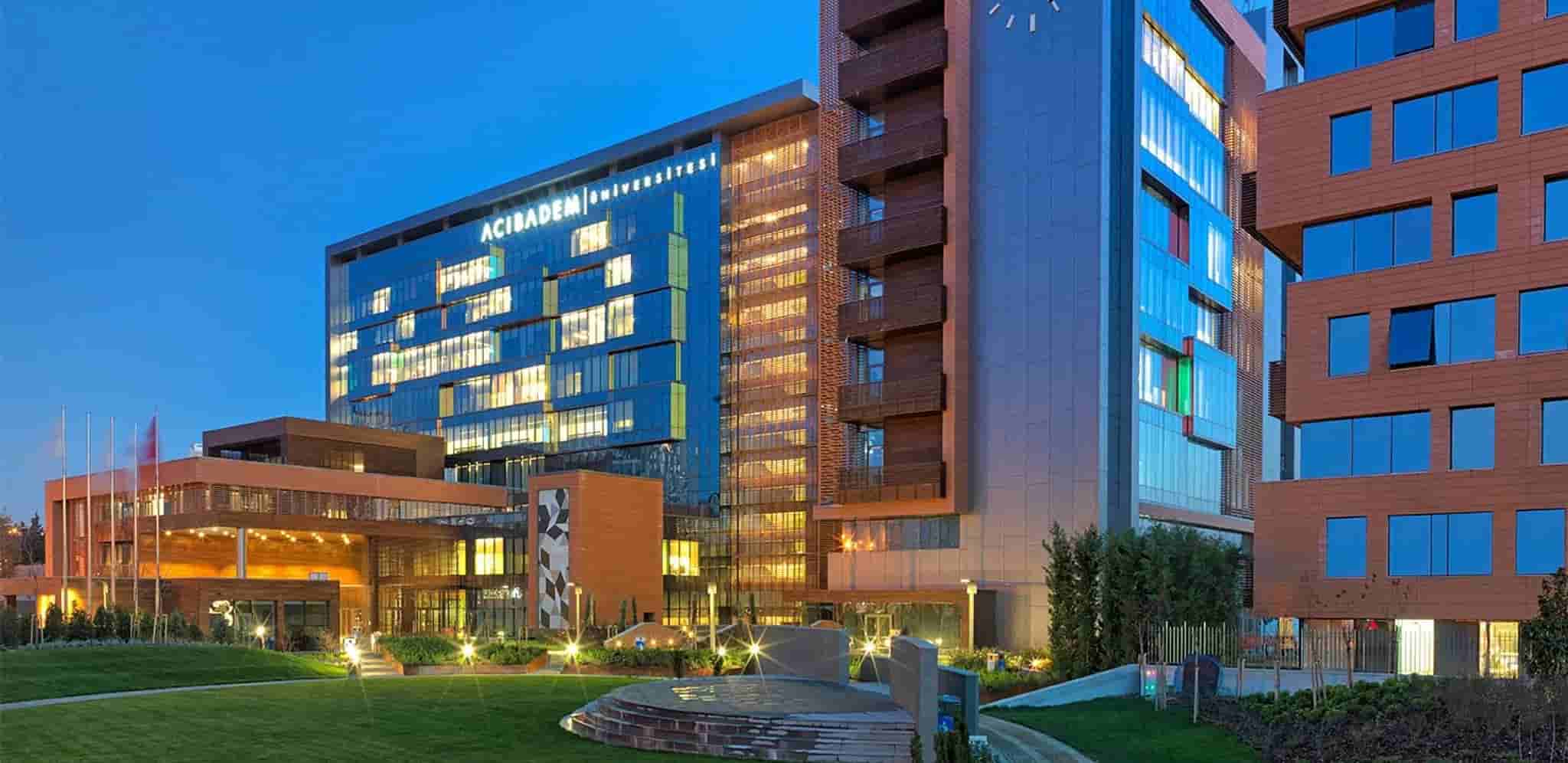 Dormitory
Istanbul, Turkey
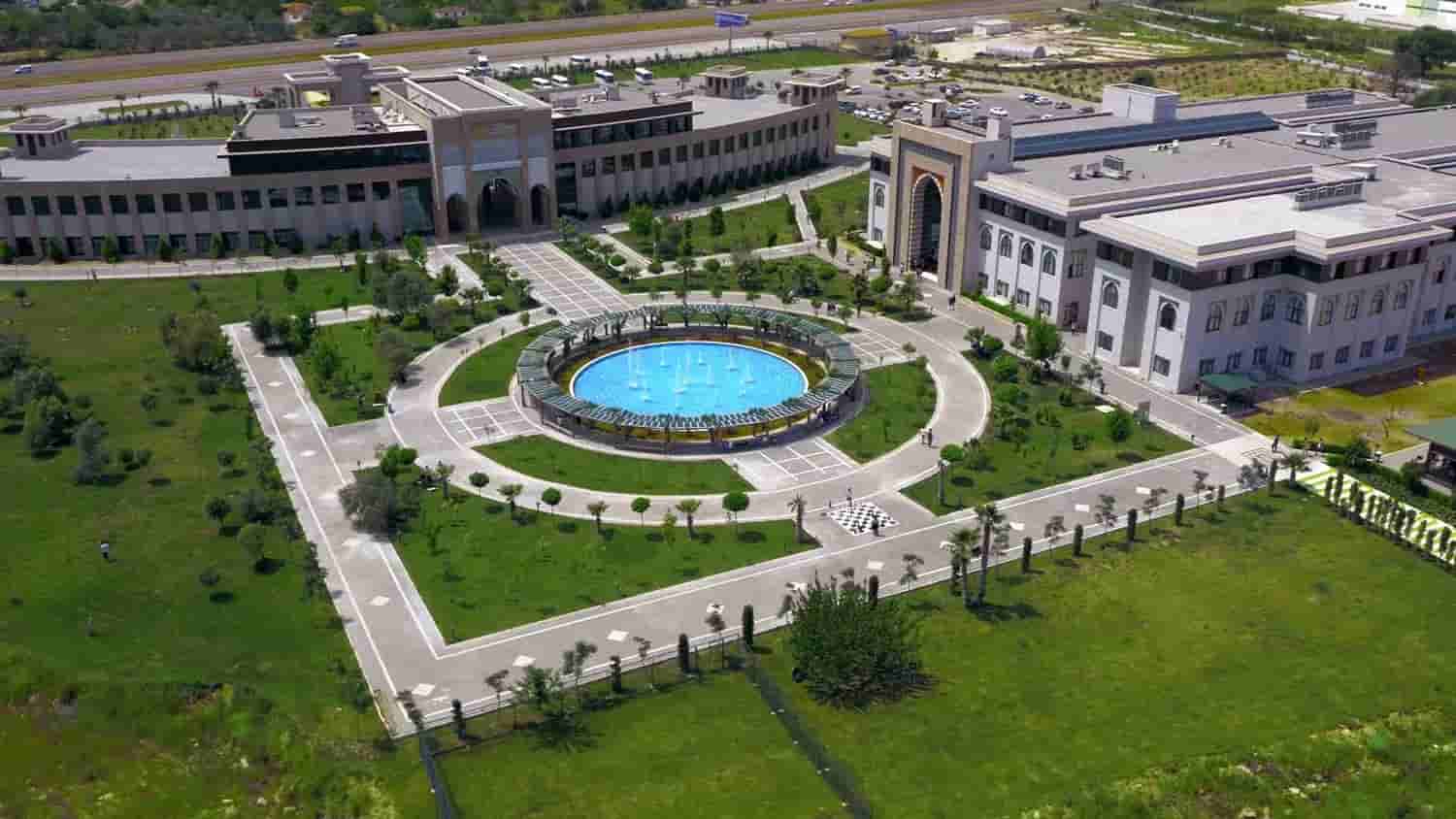 Dormitory
Antalya, Turkey
 Dormitory
Istanbul, Turkey
 Dormitory
Ankara, Turkey
 Dormitory
Istanbul, Turkey