




FAQs
Frequently Asked Questions and Answers

Over the past two decades Turkey has become a major study destination for international students. The country sits between Europe, Asia and the Middle East. Its universities have grown in number, opened up to foreign students and built their curricula with an international audience in mind. If you are a student, or a teacher advising one, it helps to understand how this system works before you choose a university.
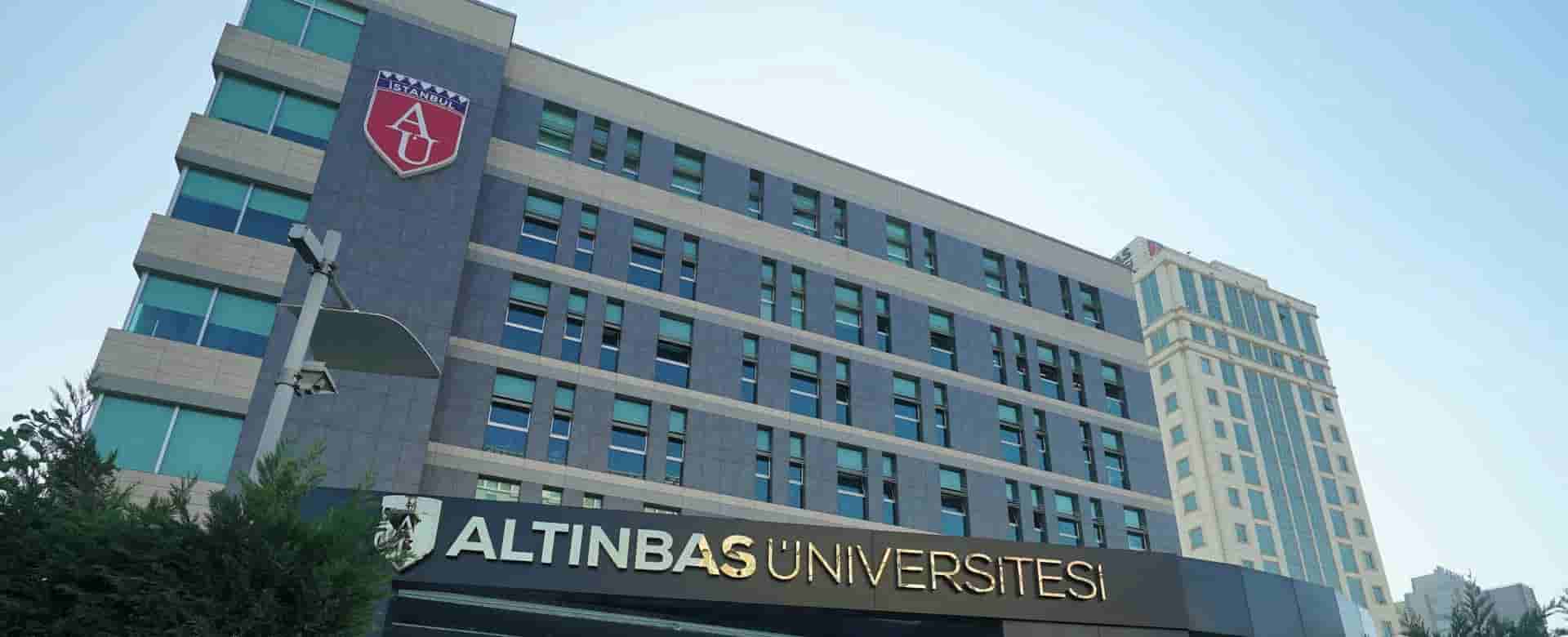
Compared with many traditional study destinations, Turkish universities put more weight on practical training, international staff and partnerships, and close ties with industry. Bahçeşehir University, Altınbaş University, İstanbul Medipol University, Üsküdar University and İstanbul Aydın University are examples of this international approach.
Turkish degrees follow European qualification frameworks closely, which makes them easier to get recognized and helps students move between countries. Özyeğin University, İstanbul Bilgi University, Yeditepe University and TED University are known for curricula built to international standards and for courses that combine several disciplines.

İstanbul Nişantaşı University, İstanbul Kent University and İstanbul Rumeli University focus on life and activities on campus. İstinye University and Haliç University mix city-based learning with contact with the working world. Students in both settings tend to gain confidence in their studies and get used to working with people from other cultures.
 Turkish universities build internships, applied research and work with companies into their programs to help graduates find jobs. Many also have career centers that help with CVs, career planning and meeting employers.
Turkey is an easy country to apply to, yet international students still run into problems they could have avoided. The most common ones are:
Applying without anyone to guide them through the academic choices
Picking a university by its ranking instead of by how well the program fits
Underestimating how long documents take to prepare
Relying on scattered or unofficial sources of information
Any of these can cost you an admission, put you in the wrong program or leave you unhappy with your studies.

Turkey is open to international applicants, has many different kinds of universities and is becoming more connected to the rest of the world. It offers a practical mix of serious study, a new culture and a degree that keeps its value.
Frequently Asked Questions and Answers
Look out blogs and aware of the latest trends and updates
Explore top universities offering quality education, modern facilities, and diverse academic opportunities for students worldwide



 Dormitory
Ankara, Turkey
 Dormitory
Istanbul, Turkey
 Dormitory
Istanbul, Turkey
 Dormitory
Istanbul, Turkey
 Dormitory
Istanbul, Turkey
 Dormitory
Istanbul, Turkey
 Dormitory
Istanbul, Turkey
 Dormitory
Istanbul, Turkey
 Dormitory
Istanbul, Turkey
 Dormitory
Istanbul, Turkey
 Dormitory
Istanbul, Turkey
 Dormitory
Istanbul, Turkey
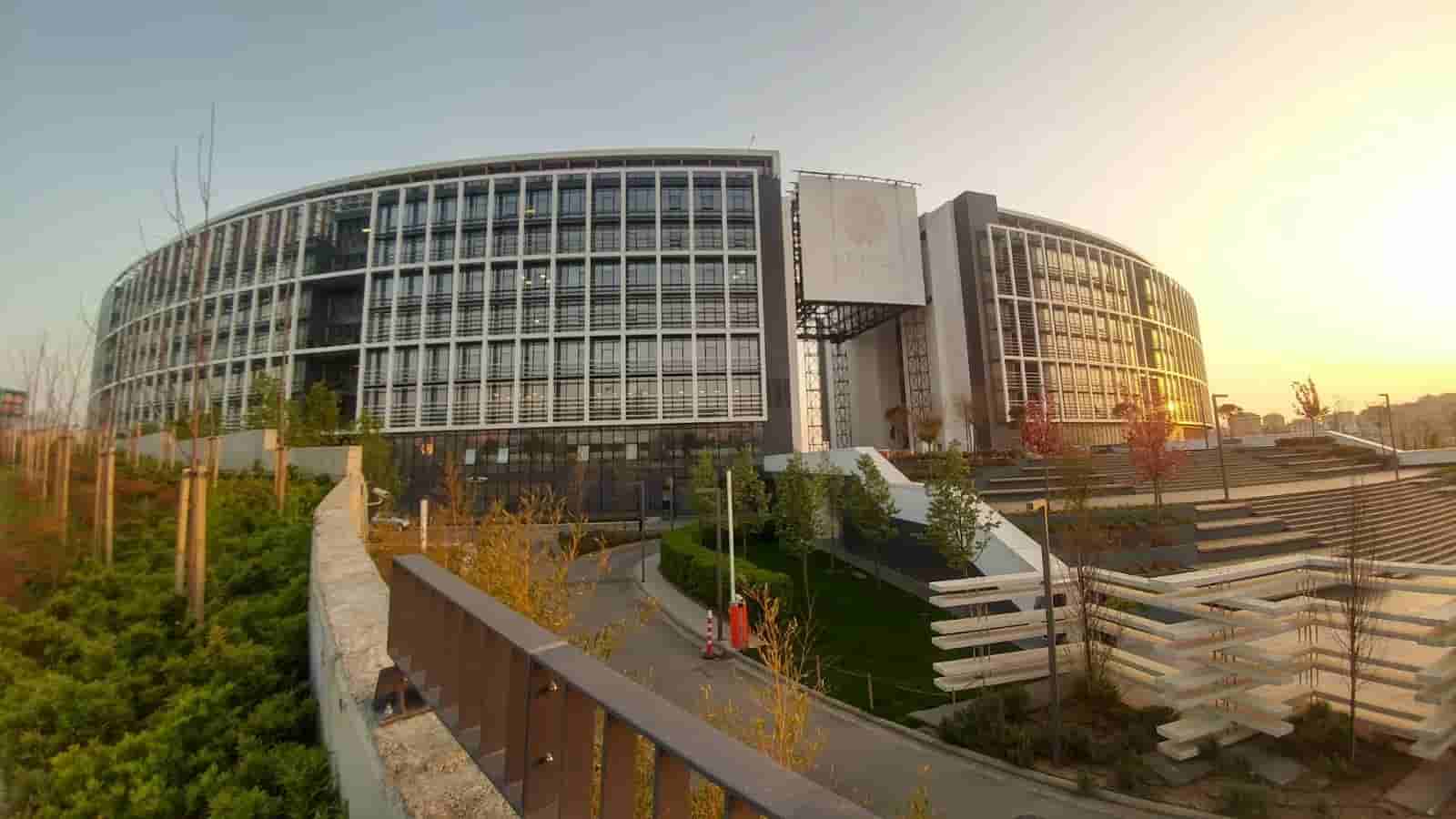 Dormitory
Istanbul, Turkey
 Dormitory
Istanbul, Turkey
 Dormitory
Istanbul, Turkey
 Dormitory
Istanbul, Turkey
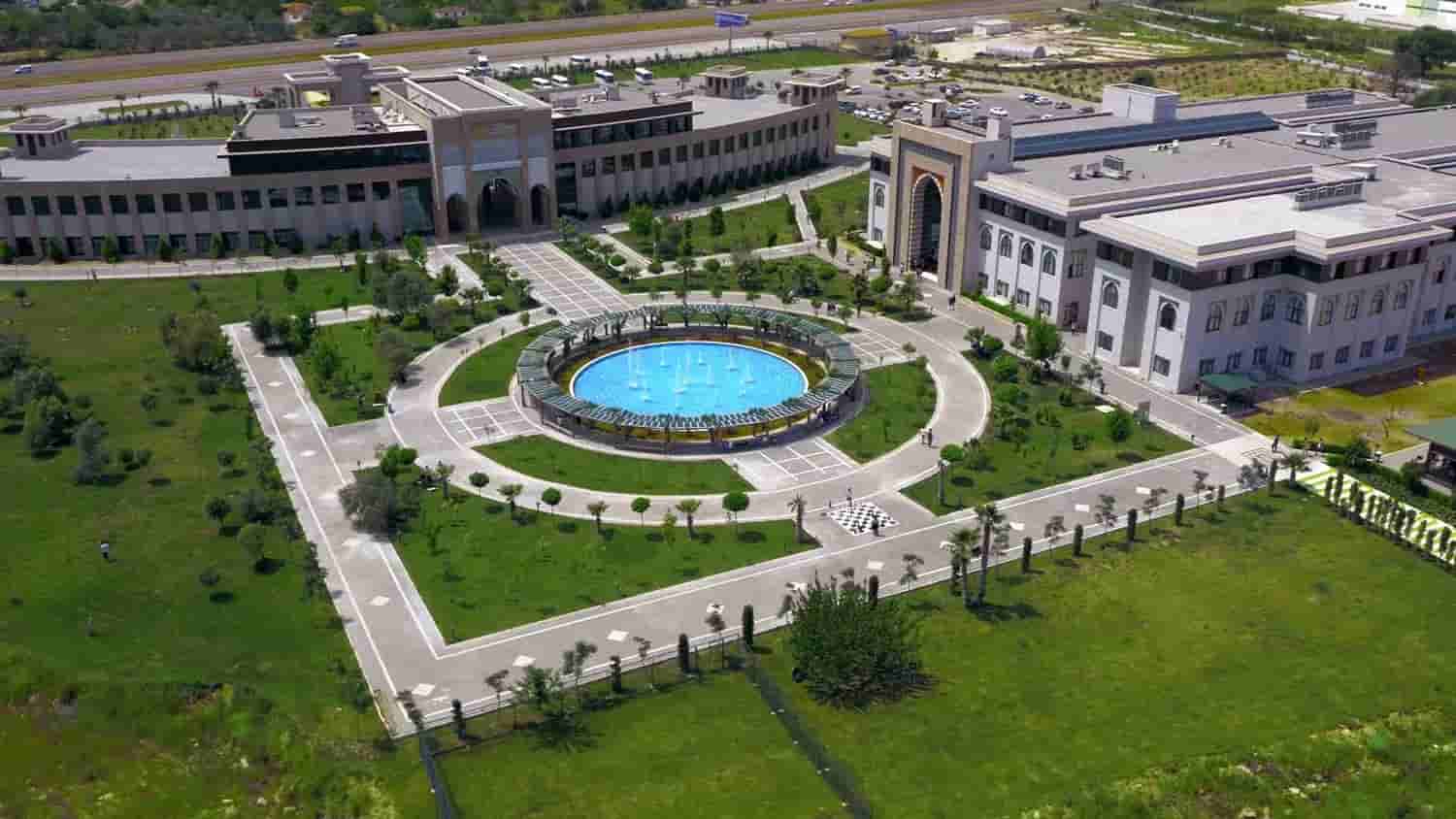 Dormitory
Antalya, Turkey
 Dormitory
Istanbul, Turkey
 Dormitory
Ankara, Turkey
 Dormitory
Istanbul, Turkey