FAQs
Frequently Asked Questions and Answers

Design degrees at private universities in Turkey are studio based: long project hours, regular critiques, and assessment that relies largely on your portfolio. Admission is document based, and some programs are taught in English.
Design education in Turkey runs from associate to doctoral level. Private universities teach English-taught programs in fields such as architecture, interior design and digital media. Studio work is central, with projects, critiques, software use and assignments linked to industry. Evaluation is largely based on your portfolio. Semesters follow a credit system, and internships are part of the path.

Istanbul, Ankara and Izmir are the main design hubs, and private universities there run labs and workshops for practical training. Fees differ a great deal between universities, so compare the listed and discounted fee of each program before you shortlist one.
It suits students who are comfortable with intensive studio work and regular project reviews, who aim for careers in architecture, media or product design, and who prefer a structured private university system.
It suits you less if you expect a light workload or theory-focused study. Programs involve long studio hours, frequent critiques and continuous independent project work.

Private universities with design degrees or related creative programs include TOBB University of Economics and Technology, Kadir Has University and Çankaya University.
The program table below lists bachelor's programs in visual communication design and in interior architecture and environmental design at TOBB and Kadir Has, and in industrial design at TOBB. TOBB and Kadir Has both list a master's in design, and Kadir Has adds a master's in urban design and landscape architecture. Çankaya lists a PhD in design.
Universities differ in studio facilities, industry partnerships and specialization. Some emphasize architecture and urban design, others media production, animation or communication design. Judge each program by its structure, faculty, workshops and internships.
Admission to private design universities is document based and generally predictable when your files are prepared correctly. The documents depend on the degree:
Universities review your academic background, how well it fits the program, and whether your documents are complete. Starting early reduces delays.
Many private universities offer English-taught design programs. Be realistic about whether you can follow critiques, present projects and write design documentation in English.
Weak English slows down studio work, because design education relies on presentations and feedback sessions. Preparing in academic English and in technical design terms before you start makes it easier to adapt.

Depending on the university, housing may be a dormitory, a housing partner or guidance on shared apartments. The hardest adjustment is usually the studio workload, with its deadlines and presentations, so time management matters. Campuses in big cities also give access to exhibitions, workshops and internship networks.
Design graduates commonly work in architecture studios, digital agencies, branding firms, animation companies and product design teams. Your portfolio and internship experience strongly influence your chances of being hired.
Some graduates continue to advanced degrees in specialized design fields. Others freelance or join international creative companies. Building a professional portfolio while you study improves your employability.
Avoid these five mistakes:
We recommend applying through StudyLeo instead of sending separate applications to each university. StudyLeo works directly with partner universities, so we can confirm program availability and check your documents before you submit.
Registration support, visa assistance and transfers between partner universities (when needed) are all free.

Start this process roughly nine to twelve months before you plan to enroll.
Frequently Asked Questions and Answers
Look out blogs and aware of the latest trends and updates
Explore top universities offering quality education, modern facilities, and diverse academic opportunities for students worldwide




 Dormitory
Ankara, Turkey
 Dormitory
Istanbul, Turkey
 Dormitory
Istanbul, Turkey
 Dormitory
Istanbul, Turkey
 Dormitory
Istanbul, Turkey
 Dormitory
Istanbul, Turkey
 Dormitory
Istanbul, Turkey
 Dormitory
Istanbul, Turkey
 Dormitory
Istanbul, Turkey
 Dormitory
Istanbul, Turkey
 Dormitory
Istanbul, Turkey
 Dormitory
Istanbul, Turkey
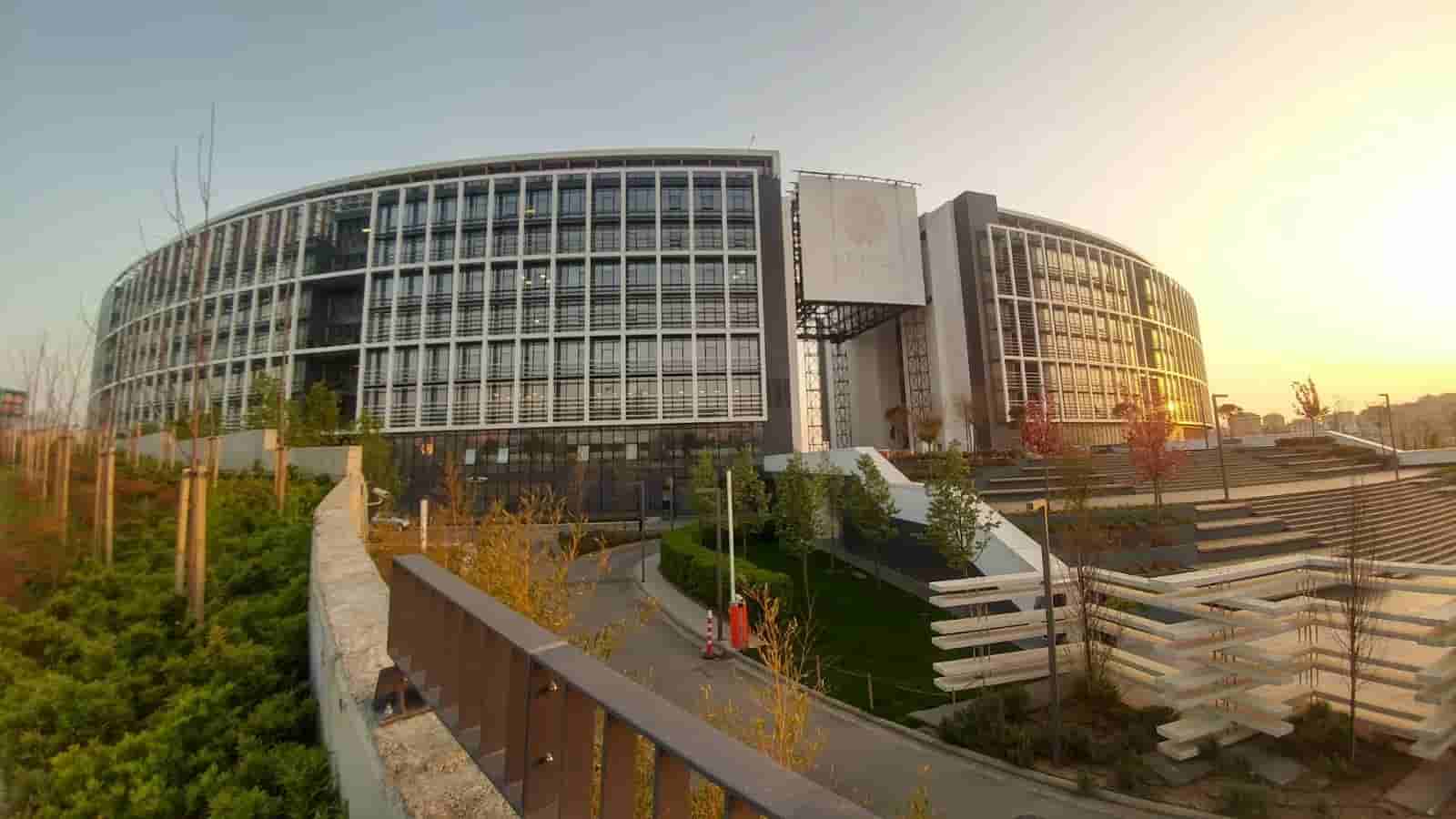 Dormitory
Istanbul, Turkey
 Dormitory
Istanbul, Turkey
 Dormitory
Istanbul, Turkey
 Dormitory
Istanbul, Turkey
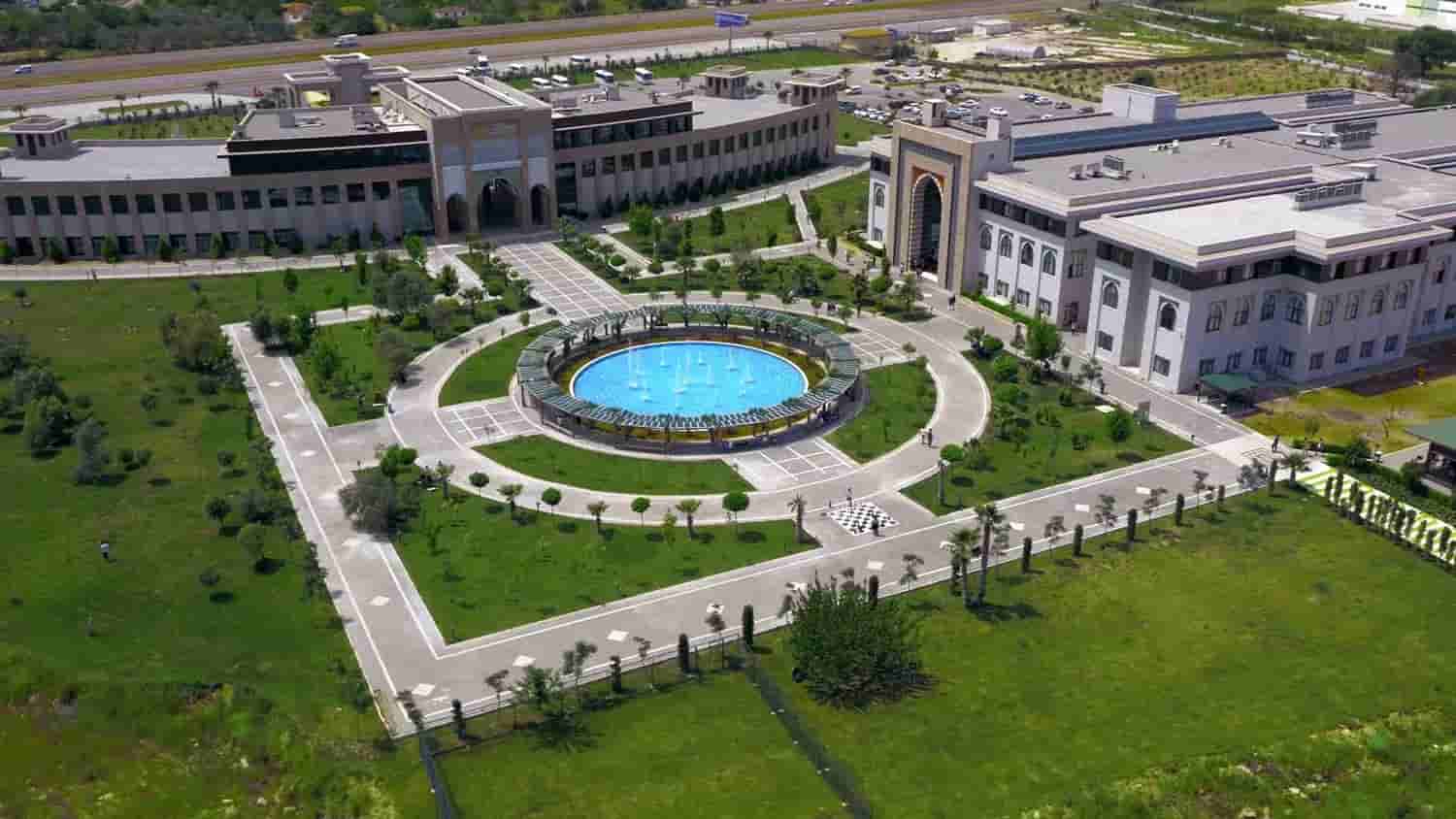 Dormitory
Antalya, Turkey
 Dormitory
Istanbul, Turkey
 Dormitory
Ankara, Turkey
 Dormitory
Istanbul, Turkey