Families looking at medicine in Turkey often meet scattered information, unclear requirements and advice that changes from one source to the next, and mistakes at this stage can be expensive.
Main points
Medical education in Turkey follows a six-year structure with early clinical exposure.
Some programs are taught in English, which helps students who plan to work abroad later.
Tuition varies a great deal between universities, so compare exact fees before you shortlist.
Admission rests on academic background and documents.
Licensing and specialization need long-term planning.
Medical education in Turkey follows a structured six-year model that combines preclinical sciences, clinical rotations and hospital-based practice, with clinical exposure starting early.
Teaching hospitals, simulation laboratories and integrated curricula form the core of the training.
This route suits students who want a full medical degree with structured progression and consistent academic oversight, and who are comfortable adapting to a new healthcare system.
It is a poor fit for students who want a short program or are not ready for an intensive workload. Medicine in Turkey demands commitment, discipline and readiness for continuous assessment and clinical responsibility.
Universities that teach medicine include Acıbadem Mehmet Ali Aydınlar University, Istanbul Medipol University, Istinye University, Yeditepe University, Koç University and Biruni University.
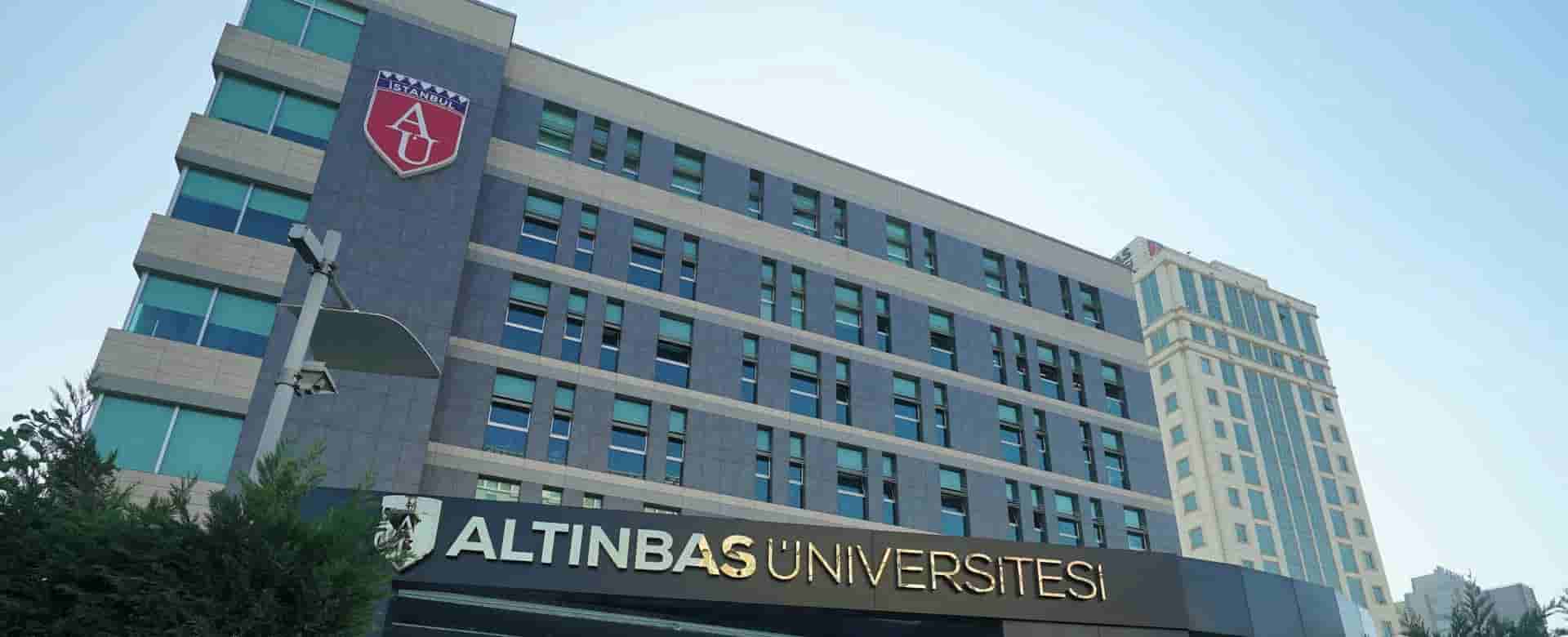
Bahçeşehir University, Altınbaş University, Üsküdar University, Ankara Medipol University and Demiroğlu Bilim University offer medical programs too. All of these are in Istanbul except Ankara Medipol University, which is in Ankara.
Admission is based on academic background, not on a competitive test. Your previous education records and document verification decide whether you are eligible, which lets you see early on whether you qualify.
Medical programs are taught in English or Turkish, depending on the university. You need to follow medical terminology, lectures and clinical communication in that language.
Start language preparation early, especially for the clinical years, when patient interaction becomes essential. Your language level directly affects your performance during hospital rotations.
Tuition for medical programs varies widely between universities, and between the English and Turkish versions of the same program. Look up the exact fee for each university in the program table before you decide.
Living expenses vary by city, averaging between 400 and 800 USD per month.
Graduates pursue residency, licensing or further specialization depending on their target country. The universities are recognized in Turkey by YÖK, the higher education authority, but post-graduation requirements follow the national regulations of each country.
Students planning an international career should research equivalency and licensing early. Those who stay in Turkey can look at internship and clinical practice opportunities within affiliated healthcare networks.
Choosing on cost alone leads to mismatched expectations and limited clinical exposure. Evaluate teaching hospitals, curriculum structure and academic support as well as fees.
Ignoring language readiness creates academic stress in the clinical years. Preparing early prevents communication barriers in hospital settings.
Relying on unofficial sources produces misinformation about eligibility and timelines.
Missing deadlines delays enrollment. A clear timeline helps you line up academic records, travel plans and housing.
Underestimating living expenses affects your stability, and a realistic budget prevents interruptions during intensive training.
StudyLeo is worth considering for the application: it offers free registration, free transfer services and free visa support, and works directly with medical universities.
Look out blogs and aware of the latest trends and updates
Popular Universities
Explore top universities offering quality education, modern facilities, and diverse academic opportunities for students worldwide
Why Choose Us
Scholarships up to 100% We represent over 150 prestigious universities in Turkey, offering exclusive scholarships to ensure you pay the most competitive fees for your chosen program.
Free Application Process Complete the Free Application Form by uploading your documents and selecting the programs you wish to pursue in Turkey.
Admission to 150+ Universities At StudyLeo, we proudly partner with over 150 universities across Turkey, ensuring our students receive the best opportunities!
The Cheapest Tuition Fees We represent over 150 prestigious universities in Turkey, offering exclusive scholarships to ensure you pay the most competitive fees for your chosen program.
Absolutely Free Explore your educational options with our free consultation! We collaborate with various universities in Turkey to help you obtain partial scholarships and reduce your tuition fees.








 Dormitory
 Dormitory
 Dormitory
 Dormitory
 Dormitory
 Dormitory
 Dormitory
 Dormitory
 Dormitory
 Dormitory
 Dormitory
 Dormitory
 Dormitory
 Dormitory
 Dormitory
 Dormitory
 Dormitory
 Dormitory
 Dormitory
 Dormitory