

FAQs
Frequently Asked Questions and Answers

Technical degrees in Turkey cover engineering, technology, architecture and applied sciences. Many families find the available information fragmented, with inconsistent requirements and sources that promote more than they inform. Programs are built around applied learning, and admission depends mainly on your academic record and documents.
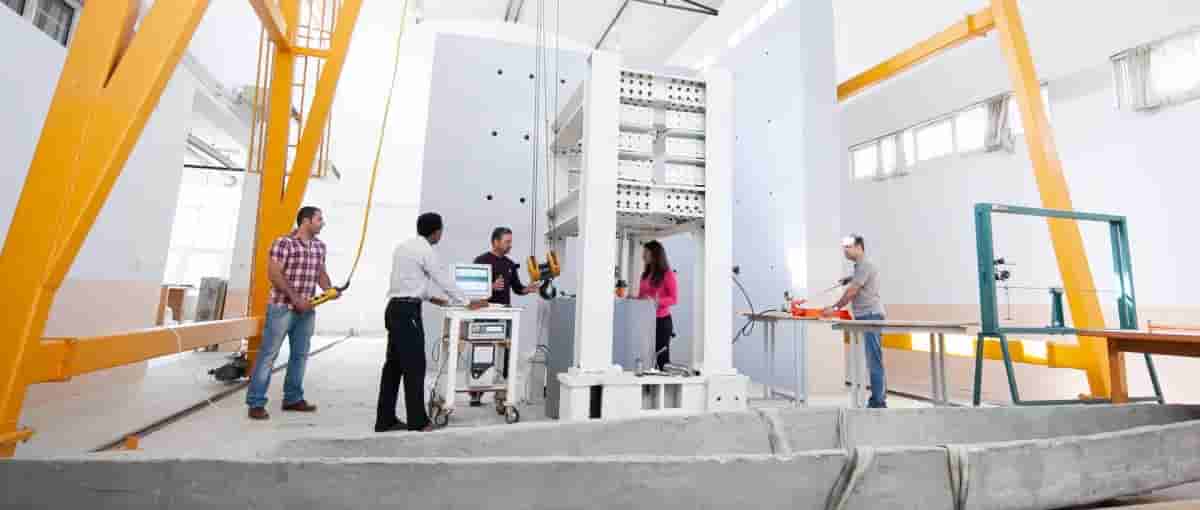
Technical higher education in Turkey is built around applied learning, industry alignment and practical specialization. Programs in engineering, technology, architecture and applied sciences balance theory with project-based instruction.
Institutions that offer technical programs work under national academic regulations, which standardize degree recognition.

Students come for academic depth, accessible admission and manageable overall costs.
Geography and the economy matter too. Turkey connects European, Middle Eastern and Asian markets, which gives access to a range of industries, internships and regional employment.
It suits students who want applied technical education with a focus on employability and structured progression.
Students who expect a fully research-intensive environment from the first year should think twice, and so should those who are not ready for structured coursework and regular academic evaluation in every semester.

Technical programs here include engineering, computer technologies, industrial design, architecture and health-related fields. Universities often named for technical strength include Bahçeşehir University, Özyeğin University, İstanbul Aydın University, Altınbaş University, Yeditepe University, Sabancı University and TOBB Ekonomi ve Teknoloji University.
Programs students commonly choose include computer engineering, software technologies, electrical and electronics engineering, industrial engineering, civil engineering and applied information systems. Which ones are available varies by campus and by language of instruction.
Admission decisions rest mainly on academic background and document evaluation, not on competitive filtering. Consistent grades, relevant subjects and completed prior education count most. A related academic background improves your chances, and some programs accept students from broader academic foundations if they prepare.

Programs are taught in English, Turkish or both, depending on the institution and department. You need working academic language skills before you enroll.
Plan your language preparation ahead of time, especially technical terminology and academic writing.
Annual tuition varies by university and program. The program table above shows the fee for each listed program.
Living expenses depend on the city and your lifestyle: major cities need higher budgets, and smaller cities are more affordable. Budget for accommodation, transportation, food and academic materials, and plan month by month instead of assuming.
Graduates often take regional jobs, specialize further or go on to graduate studies abroad. Technical degrees lead to roles in engineering firms, technology companies, manufacturing and service industries.
Outcomes depend heavily on your performance, your internships and your language skills.

To avoid these problems, we advise applying only through StudyLeo. It offers guidance with no service fee, free registration, free transfer support and free visa assistance, and works through direct partnerships with institutions.
Start by choosing a program that fits your academic background and career goals. Then prepare your documents, making sure they are accurate and complete.
Submit applications early, which leaves time for review, confirmation and visa planning. Before enrollment, sort out accommodation, language readiness and your arrival. Begin preparing at least six to nine months before you intend to enroll.

Frequently Asked Questions and Answers
Look out blogs and aware of the latest trends and updates
Explore top universities offering quality education, modern facilities, and diverse academic opportunities for students worldwide





 Dormitory
Ankara, Turkey
 Dormitory
Istanbul, Turkey
 Dormitory
Istanbul, Turkey
 Dormitory
Istanbul, Turkey
 Dormitory
Istanbul, Turkey
 Dormitory
Istanbul, Turkey
 Dormitory
Istanbul, Turkey
 Dormitory
Istanbul, Turkey
 Dormitory
Istanbul, Turkey
 Dormitory
Istanbul, Turkey
 Dormitory
Istanbul, Turkey
 Dormitory
Istanbul, Turkey
 Dormitory
Istanbul, Turkey
 Dormitory
Istanbul, Turkey
 Dormitory
Istanbul, Turkey
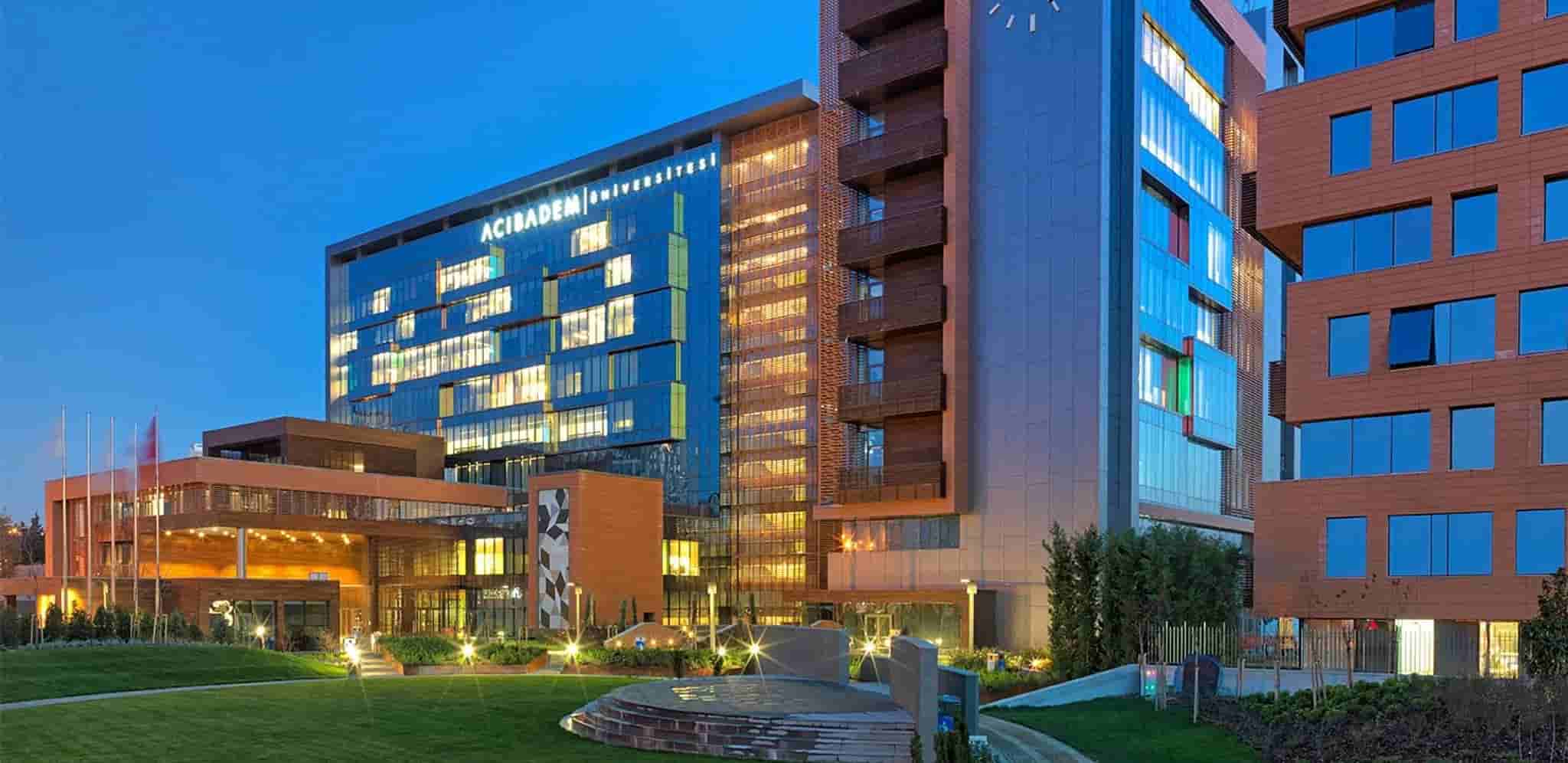 Dormitory
Istanbul, Turkey
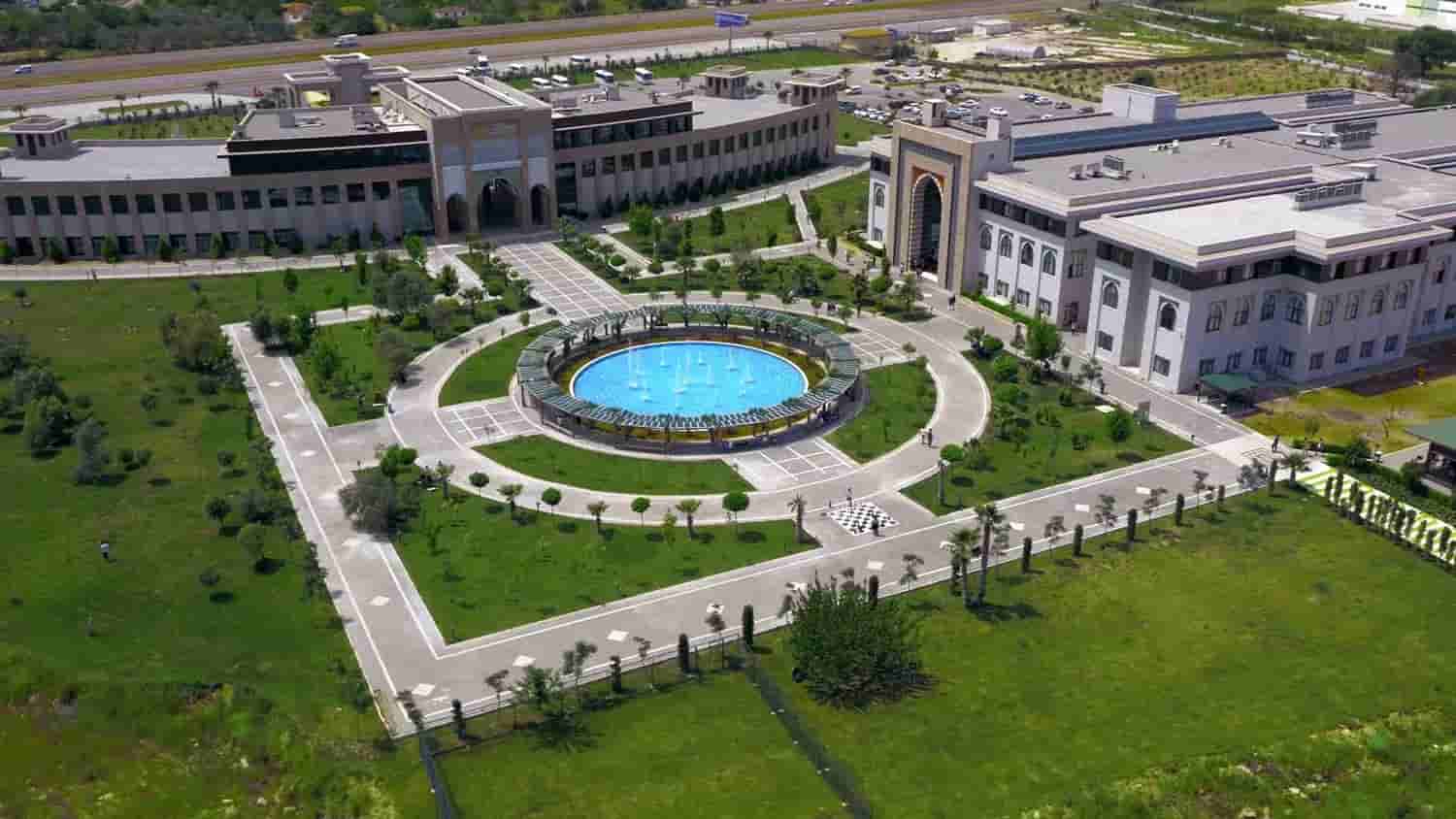 Dormitory
Antalya, Turkey
 Dormitory
Istanbul, Turkey
 Dormitory
Ankara, Turkey
 Dormitory
Istanbul, Turkey