

FAQs
Frequently Asked Questions and Answers

Istanbul is one of Turkey's main centers for education. Besides its large universities, the city has colleges that teach for specific jobs. Their programs are built around hands-on training and the needs of the labor market, and they get students into work in a shorter time. Theory is still taught, but it sits alongside a lot of practice.
The city suits this kind of education. Its economy is large and varied, and education, business, healthcare and social services are closely linked, so students have plenty of places to train and later to work. For students who want a career rather than an academic path, these colleges are worth a close look.
Colleges link study and employment. They prepare students for specific professions in healthcare, social services, business administration and technical fields, and students reach a working level of skill in a shorter study period. They also add trained workers to the city's labor force.
These colleges are part of Turkey's higher education system and follow nationally recognized curricula. Practical courses, workshops and internships are a standard part of the course. Students learn to fit into a workplace quickly, and that focus on employment is the main reason students who want an efficient route into work choose them.
Ataşehir Adıgüzel Vocational School is one example. It offers applied programs that combine academic discipline with practical training, and its curricula are built around specific sectors, so students learn skills they can use directly at work.
Istanbul Şişli Vocational School and Istanbul Vocational School of Health and Social Sciences are two more well-known options. They concentrate on healthcare, social services and applied management, and they design their programs to meet sector standards and what employers expect. Students looking for a practical route into a job often pick them.
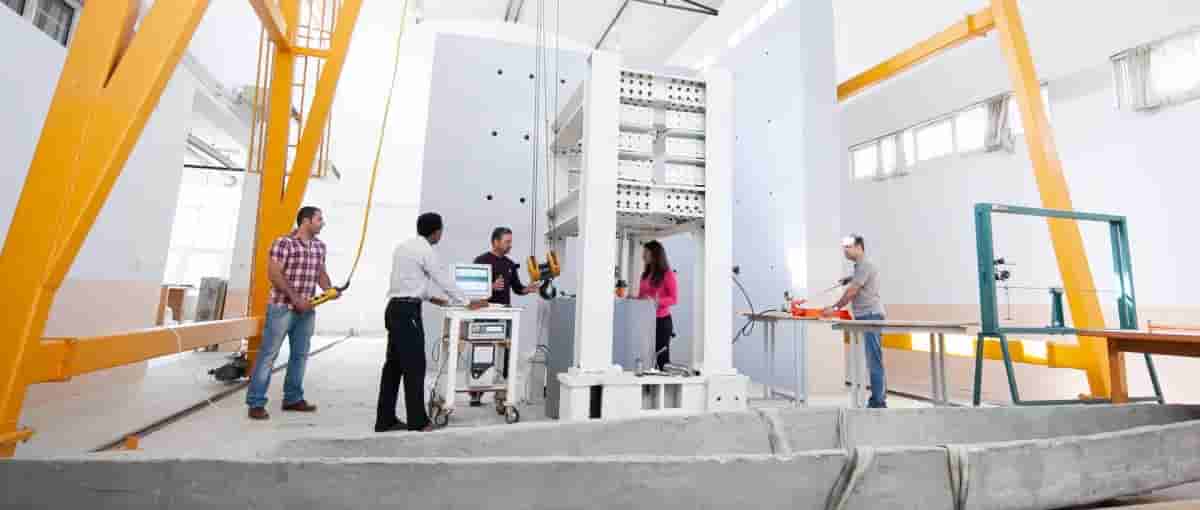
Teaching at these colleges is built around practice, with real-world tasks in place of abstract theory. Students do lab work, simulations and sector-based projects throughout their studies, so they learn early what a workplace expects. Classes are set up to resemble real working conditions.
Instructors often have worked in the field they teach, which keeps the content relevant. Grades come from applied skills, project work and continuous assessment. Students build technical skills along with communication and teamwork, which makes the step from college to a job much smoother. For many students, this practical training is the strongest reason to choose a college in Istanbul.

Colleges in Istanbul cover many applied fields: healthcare services, social sciences, business support services, management, logistics and technical programs. Health programs are especially common and include medical services and social care. Business programs cover accounting, management assistance and administrative work. Technical programs serve sectors such as information technology and applied engineering services.
With this range, students can choose a field that employers need right now. Colleges update their curricula from time to time as industry needs change, and they stay in close contact with sector representatives. Graduates are trained for a specific job and can start work straight away. The programs in the table below, such as oral and dental health, anesthesia, interior design and cooking, are associate degrees.
Class sizes are usually manageable, so students and instructors work closely together. Workshops and training facilities are part of everyday campus life, and students spend much of their time on hands-on work.
Outside class there are student clubs, seminars and professional development activities. Colleges often run events and workshops for specific sectors, where students meet people from the industry and pick up new skills. Students learn to balance coursework with preparing for work, and they build discipline, responsibility and a clear idea of their career along the way.
Getting students ready for work is the main goal. Programs follow employers' requirements closely, and internships and practical training are often compulsory, so students have real work experience before they graduate.
Colleges have ties with healthcare institutions, businesses and service providers. These help students find internship places and see how the profession works. Students learn workplace rules and professional ethics early and graduate with skills that fit their sector.
Choosing a college and a program is easier with accurate, honest information. StudyLeo explains Istanbul's colleges and their programs in plain terms, and we charge no service fee for this guidance.
We help you understand how each program is structured, which profession it prepares you for and what you will be able to do at the end. You can then choose based on your career goals and plan your studies with confidence.
If you want a short program that teaches real-world skills in healthcare, social sciences or business services, start by comparing the colleges and programs above.
Frequently Asked Questions and Answers
Look out blogs and aware of the latest trends and updates
Explore top universities offering quality education, modern facilities, and diverse academic opportunities for students worldwide



 Dormitory
Ankara, Turkey
 Dormitory
Istanbul, Turkey
 Dormitory
Istanbul, Turkey
 Dormitory
Istanbul, Turkey
 Dormitory
Istanbul, Turkey
 Dormitory
Istanbul, Turkey
 Dormitory
Istanbul, Turkey
 Dormitory
Istanbul, Turkey
 Dormitory
Istanbul, Turkey
 Dormitory
Istanbul, Turkey
 Dormitory
Istanbul, Turkey
 Dormitory
Istanbul, Turkey
 Dormitory
Istanbul, Turkey
 Dormitory
Istanbul, Turkey
 Dormitory
Istanbul, Turkey
 Dormitory
Istanbul, Turkey
 Dormitory
Antalya, Turkey
 Dormitory
Istanbul, Turkey
 Dormitory
Ankara, Turkey
 Dormitory
Istanbul, Turkey