



FAQs
Frequently Asked Questions and Answers

Many private universities in Turkey run full degree programs in English, so international students can start a degree without first learning Turkish. Facilities, degree recognition, living costs and student support all differ from one university to the next, and each is worth checking before you apply.
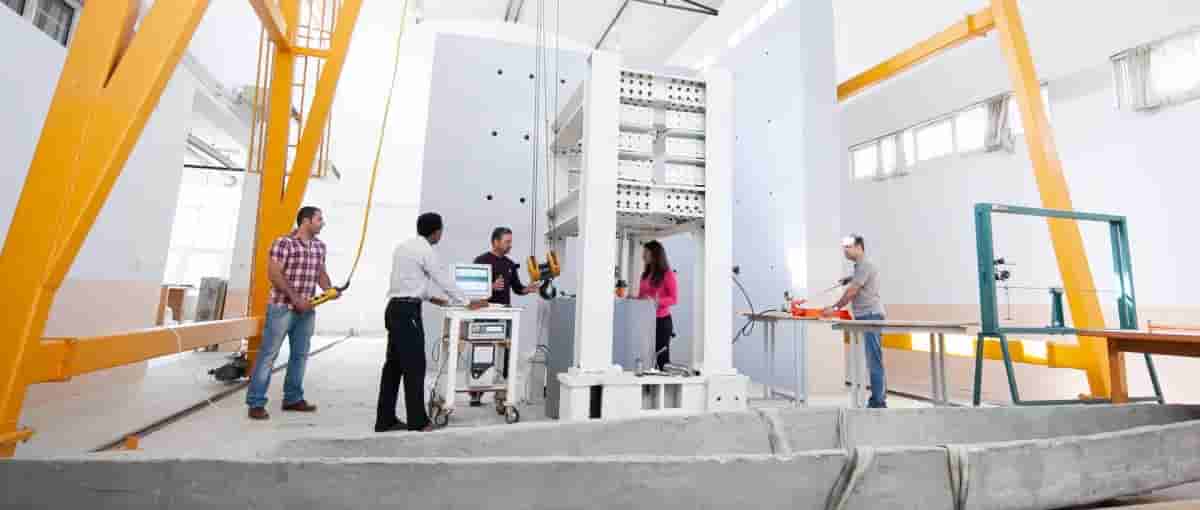
Private universities in Turkey often equip classrooms with smart boards and digital systems, and their libraries provide large online databases. Students typically have labs for practical work, a library, and sports and social facilities on campus.
What you actually get depends on the university and the faculty. Ask to see the labs and workshops for your own program before you decide.

Many private universities teach full programs in English. Lessons, exams and projects are all in English, so students practice the language every day.
The table lists bachelor programs in medicine, architecture, software engineering, industrial engineering, biomedical engineering, economics, business administration, and English language and literature, with the language and duration of each.
Turkish private universities operate under national higher education regulations, and many align with European credit systems (ECTS). That helps when a student continues studying abroad. In Turkey, the universities are recognized by YÖK, the higher education authority, but each country decides for itself whether to accept a degree.
Recognition also depends on accreditation, so verify early. Before you choose:
Check the accreditation of the university and the program.
Find out whether the country where you want to study or work accepts the degree.
If you may continue to a master's or PhD abroad, check the entry rules of those programs early.
Some private universities connect with companies and hospitals and arrange internships and applied projects, so students see how theory works in a real workplace. Ask the university which companies or hospitals it works with and whether the internship is part of the program.
Some also run career offices that hold workshops on CV writing and interview skills, and invite industry speakers to talk about what employers expect.
Turkey combines historical sites with modern city life, and students from many countries study side by side. Many universities have student clubs and hold festivals, and international offices organize trips and events.

Tuition varies by program, and living costs depend on the city and on how you live. Students usually choose between a dormitory and a shared apartment. Sharing a flat spreads the rent, shopping at local markets cuts grocery spending, and living near campus saves on transport.
Private universities often have academic advising, counseling services and an international office. Orientation programs explain campus life and how the city works, and some universities add mentorship programs for new students.
Ask the international office what orientation covers and who you should contact in your first weeks.
StudyLeo helps students match programs to their goals, compare universities, prepare documents and plan each step of the application. We do not charge a service fee for this guidance. We recommend applying with that guidance instead of handling every step alone.
Frequently Asked Questions and Answers
Look out blogs and aware of the latest trends and updates
Explore top universities offering quality education, modern facilities, and diverse academic opportunities for students worldwide



 Dormitory
Ankara, Turkey
 Dormitory
Istanbul, Turkey
 Dormitory
Istanbul, Turkey
 Dormitory
Istanbul, Turkey
 Dormitory
Istanbul, Turkey
 Dormitory
Istanbul, Turkey
 Dormitory
Istanbul, Turkey
 Dormitory
Istanbul, Turkey
 Dormitory
Istanbul, Turkey
 Dormitory
Istanbul, Turkey
 Dormitory
Istanbul, Turkey
 Dormitory
Istanbul, Turkey
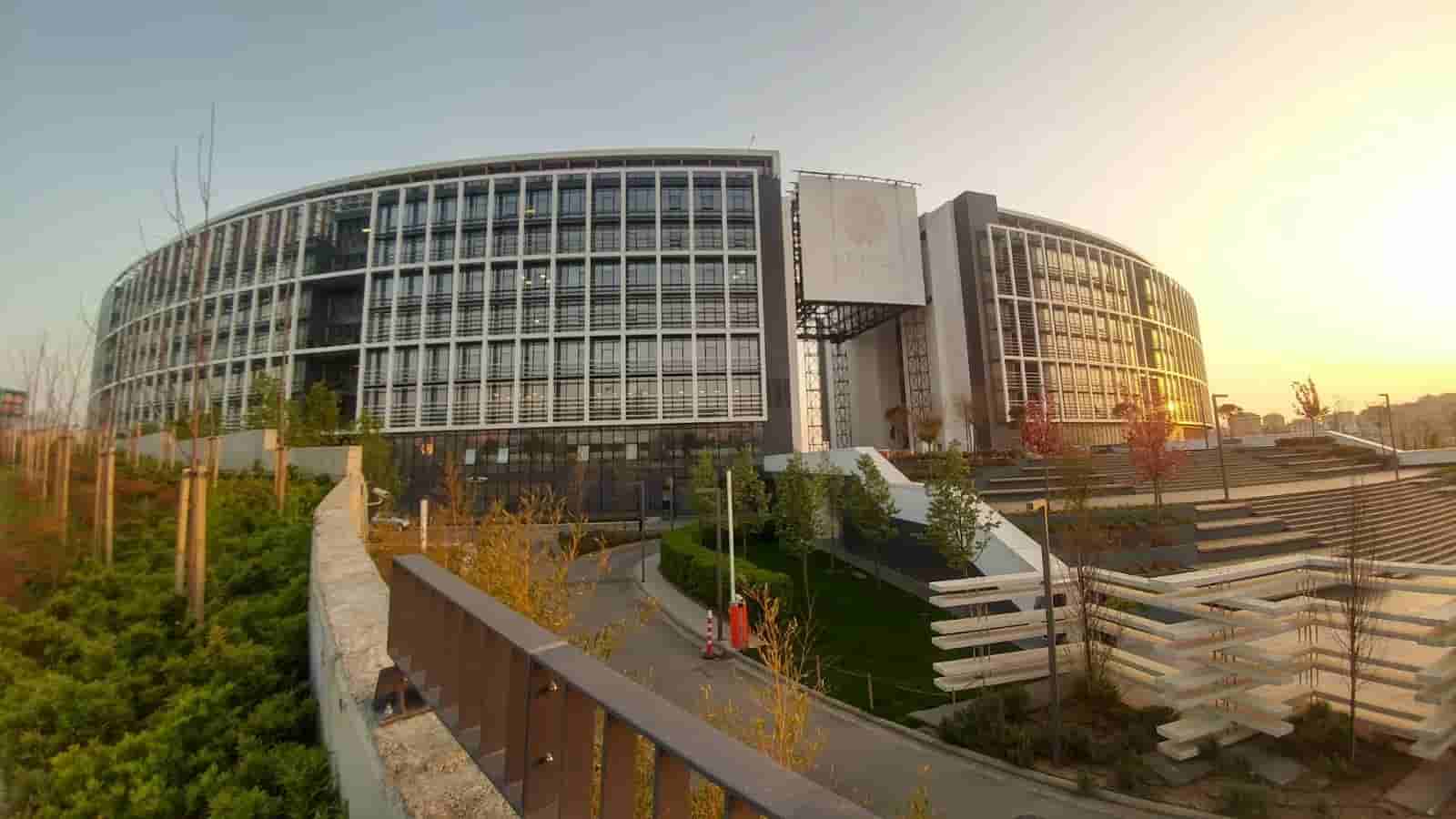 Dormitory
Istanbul, Turkey
 Dormitory
Istanbul, Turkey
 Dormitory
Istanbul, Turkey
 Dormitory
Istanbul, Turkey
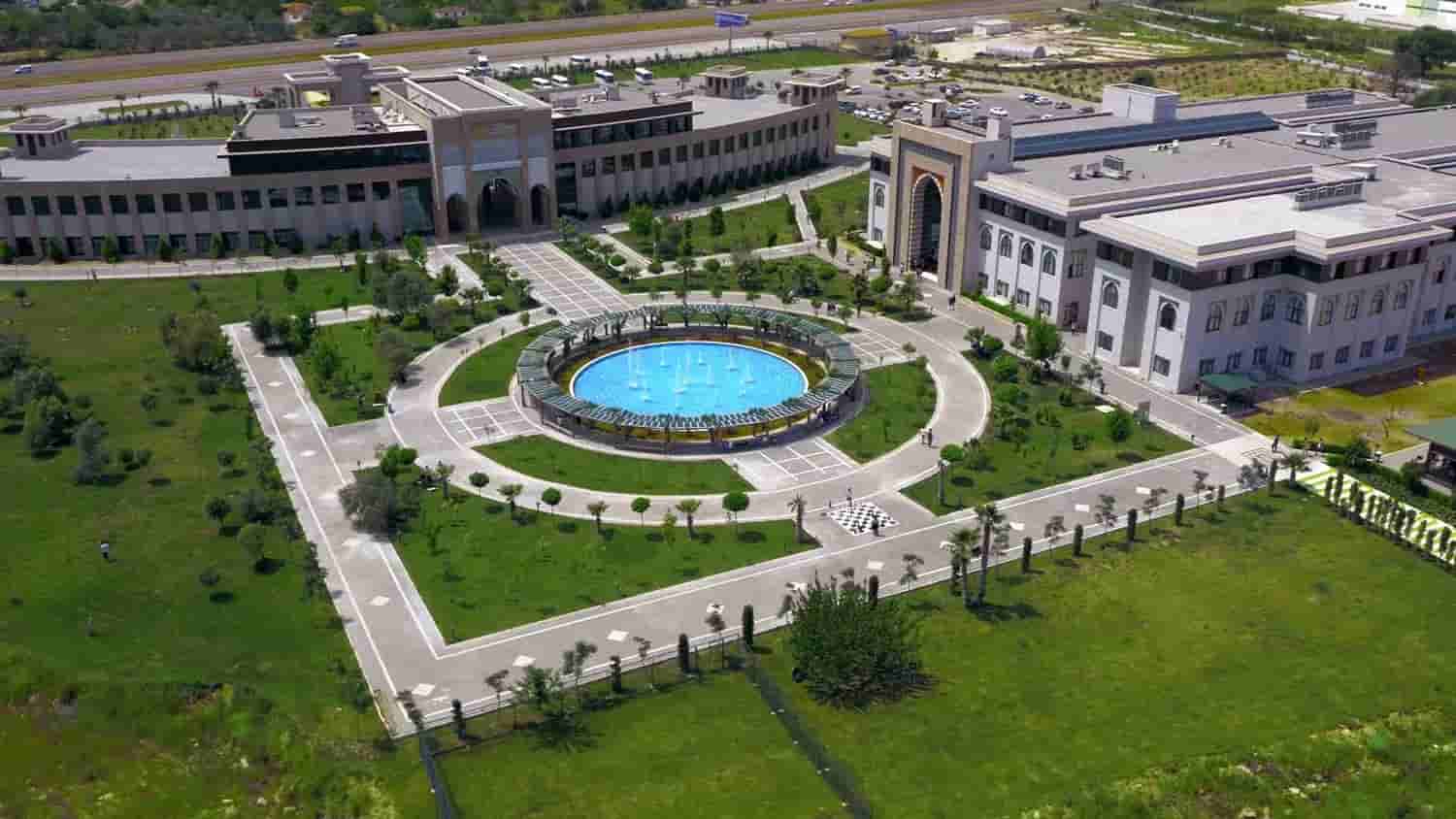 Dormitory
Antalya, Turkey
 Dormitory
Istanbul, Turkey
 Dormitory
Ankara, Turkey
 Dormitory
Istanbul, Turkey