


FAQs
Frequently Asked Questions and Answers

Accreditation matters a great deal when you study abroad. It shows that a university is a reliable institution, that its programs follow a proper academic structure, and that its degrees are recognized in other countries.
Turkey's higher education system is regulated and transparent, and it includes many accredited private universities. For international students, that makes it a predictable place to study. Picking an accredited university will shape your studies and your career for years, so take the time to choose well.
Accreditation means your degree is recognized internationally.
Turkey has many accredited private universities to choose from.
How a university is run academically matters more than its marketing.
Planning early cuts the risk of problems and delays.
Applying with guidance helps you avoid mistakes in your documents.
Accredited universities in Turkey follow national higher education regulations and international quality standards. That keeps faculty structure, curriculum design and governance consistent. Private universities work under academic oversight but have some flexibility of their own, which gives international students a stable, transparent place to study.
Students pick Turkey for its organized system, its wide range of faculties and programs that are designed in line with international ones. Private universities are strong in business, engineering, health sciences, psychology, media, architecture and the social sciences. Universities in the major cities each have their own academic profile, so the strength of a faculty can guide your choice as much as the city does.
An accredited university suits students who want a recognized degree and may continue to further study. It also supports careers with an international side. It is a poor fit if you want informal education, or if you are not ready for the structure and expectations of formal academic study.

Turkey has many accredited private universities, and each has its own academic focus. Students often choose Bahçeşehir University, Altınbaş University, Istanbul Medipol University, Üsküdar University, Istanbul Aydın University, Yeditepe University, Nişantaşı University, Istanbul Gelişim University, Istanbul Kent University and Ankara Medipol University.
Other universities concentrate on professional, applied education, with strong faculties and close links to industry.
Admission is based on your documents, and the requirements depend on the level you apply for. Universities check that you have completed your previous education. Applicants are not ranked against each other in a competition.

Each program sets its own language requirement, and you have to meet it. You also need to be ready to communicate in an academic setting and to keep up with the coursework.
Student life depends on the city. Large cities have more housing options, while smaller cities give you a quieter setting centered on study. Most of the trouble students have when settling in comes from paperwork and from getting used to a new academic culture.
A degree from an accredited Turkish university is recognized when you go on to further study or apply for professional work. Where your career goes depends on the faculty you choose and how engaged you are as a student.
Choosing a university only on cost. This often ends in a poor academic fit.
Ignoring language or academic readiness. Students who arrive unprepared struggle with their courses.
Relying on unofficial sources, which leads to wrong information and delays.
Missing deadlines. A late application pushes back your enrollment.
Underestimating living costs. Without a complete budget, money worries build up.

Work through the steps in order. Choose your faculty and university, prepare your documents and submit your applications, then complete enrollment and the visa process. The earlier you start, the lower the risk.
Frequently Asked Questions and Answers
Look out blogs and aware of the latest trends and updates
Explore top universities offering quality education, modern facilities, and diverse academic opportunities for students worldwide





 Dormitory
Ankara, Turkey
 Dormitory
Istanbul, Turkey
 Dormitory
Istanbul, Turkey
 Dormitory
Istanbul, Turkey
 Dormitory
Istanbul, Turkey
 Dormitory
Istanbul, Turkey
 Dormitory
Istanbul, Turkey
 Dormitory
Istanbul, Turkey
 Dormitory
Istanbul, Turkey
 Dormitory
Istanbul, Turkey
 Dormitory
Istanbul, Turkey
 Dormitory
Istanbul, Turkey
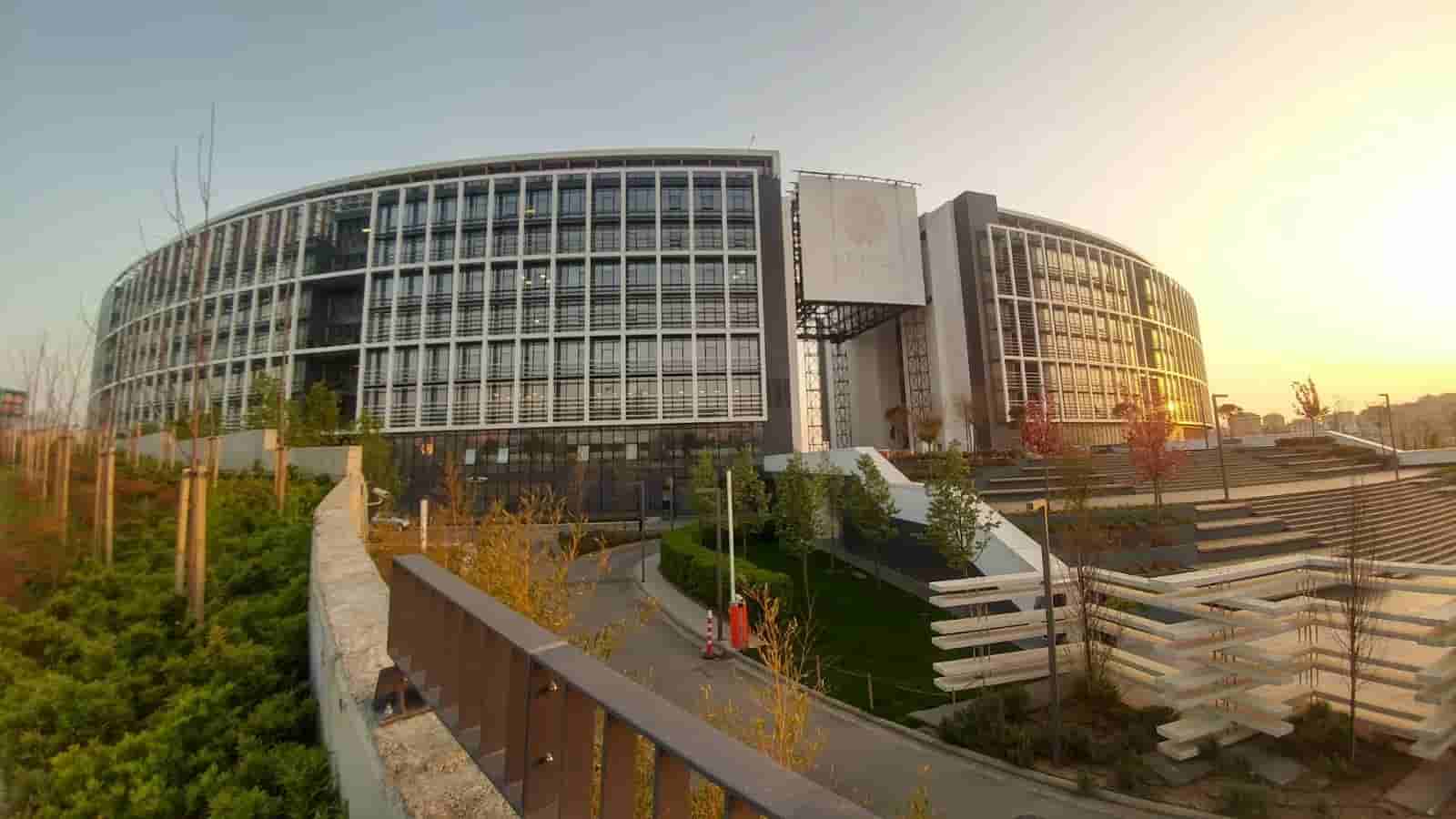 Dormitory
Istanbul, Turkey
 Dormitory
Istanbul, Turkey
 Dormitory
Istanbul, Turkey
 Dormitory
Istanbul, Turkey
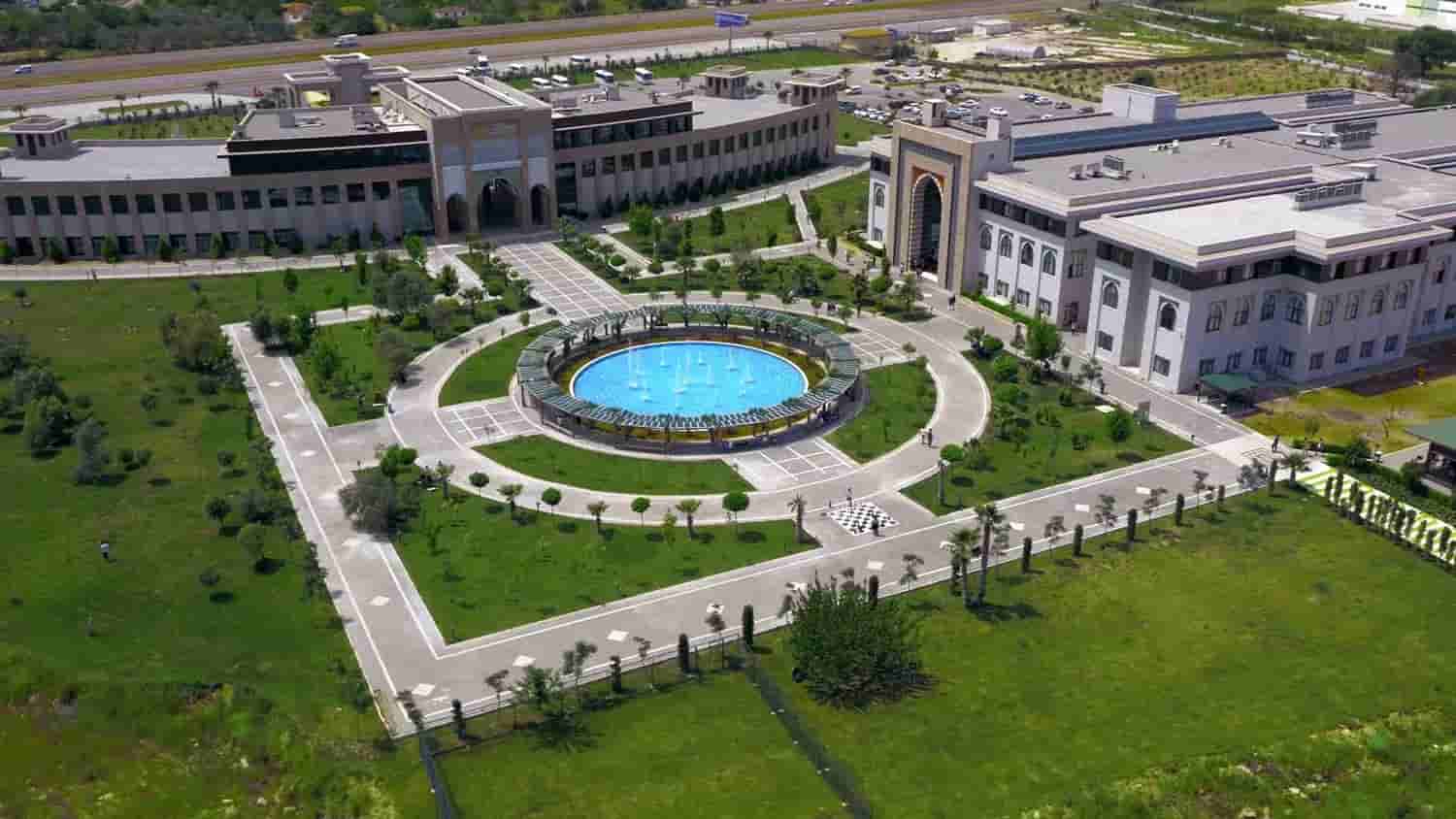 Dormitory
Antalya, Turkey
 Dormitory
Istanbul, Turkey
 Dormitory
Ankara, Turkey
 Dormitory
Istanbul, Turkey