FAQs
Frequently Asked Questions and Answers

Turkey has more than 200 universities, including over 130 public institutions and nearly 80 private ones. Rapid investment in research, technology and international programs has made Turkish universities, private ones in particular, some of the most popular choices for international students in the region. Its location between Europe and Asia also gives students a varied cultural experience.

Many Turkish universities award internationally recognized degrees and have modern facilities and a mixed, international student body. Private universities stand out for their modern campuses, flexible academic structure and faculty with international experience. Students can take English-taught programs, work in advanced laboratories, benefit from industry partnerships and apply through accessible admission routes.
The main advantages:
Public and private universities together offer hundreds of academic disciplines. A few areas are consistently among the most requested by international applicants:
Fees depend on the university, the program and the language of instruction. Public universities are usually the cheapest option for international students, with annual tuition typically between $600 and $1200, which makes them among the most affordable in the region. Private universities charge more and over a wider range, depending on program demand and campus facilities.
At private universities, annual fees commonly run from $2500 to $10000 depending on the field, with health sciences and engineering at the upper end. English-taught programs usually cost more than Turkish-taught ones because they are more expensive to run. Many universities offer discounts, scholarships and installment plans that help international students manage the cost. StudyLeo can help you compare fees and find programs that fit both your budget and your academic goals.
Both public and private universities in Turkey teach to a high standard, so you can choose the type that suits your goals. Universities often chosen by international students include Istanbul Medipol University, Fatih Sultan Mehmet Vakıf University, Istanbul Atlas University, Istinye University, Halic University, Ozyegin University, Istanbul Kent University, Bahcesehir University, Acibadem Mehmet Ali Aydinlar University, Istanbul Yeni Yuzyil University, Galatasaray University, Yildiz Technical University, Marmara University, Hacettepe University and Balikesir University.
Medipol is best known for health sciences, with programs in medicine, dentistry, pharmacy, nursing and physiotherapy. It also teaches engineering, management, communication and education. Students get hands-on experience in Medipol's large hospital network, its research laboratories and its clinical training centers, and the university has a strong international focus.
Istinye focuses on medicine and health. It offers programs in medicine, pharmacy, health sciences, engineering, computer science, business and communication. The university is supported by the LIV Hospital Group, so clinical training runs alongside classroom teaching. Students also use modern laboratories and simulation centers and do internships with industry partners.
BAU has programs in engineering, medicine, business, international relations, media and design. Through its "BAU Global" network, students can study in Europe or the United States. Its laboratories and entrepreneurship centers give students real-world practice.
Acıbadem specializes in health sciences and medical education and is supported by the Acıbadem Healthcare Group. Programs include medicine, nursing, physiotherapy, biomedical engineering and health management. In its simulation hospital, CASE, and its laboratories, students practice on realistic clinical cases. The university is also known for its research and global partnerships.
Haliç covers arts, engineering, health sciences and the social sciences. Popular programs include architecture, psychology, nursing, interior design, business and sports sciences. Its campuses have updated laboratories, studios and performance halls, and its international student community is growing.
Many universities now run online learning systems for students who need flexibility, including those who work. Options include:
The documents depend on the degree level. Universities use them to check your academic background, your identity and your eligibility, so have each one ready in the correct format.

Campuses bring together students from many cultures, and there is plenty going on outside class, from student clubs to outdoor events. Universities offer:
Private universities lead on modern facilities and English-taught programs. Public universities have long-established academic prestige and strong scientific foundations, and their fees are lower. StudyLeo can guide you through the whole admission process, from choosing a university to preparing documents and receiving your acceptance.
Frequently Asked Questions and Answers
Look out blogs and aware of the latest trends and updates
Explore top universities offering quality education, modern facilities, and diverse academic opportunities for students worldwide




 Dormitory
Ankara, Turkey
 Dormitory
Istanbul, Turkey
 Dormitory
Istanbul, Turkey
 Dormitory
Istanbul, Turkey
 Dormitory
Istanbul, Turkey
 Dormitory
Istanbul, Turkey
 Dormitory
Istanbul, Turkey
 Dormitory
Istanbul, Turkey
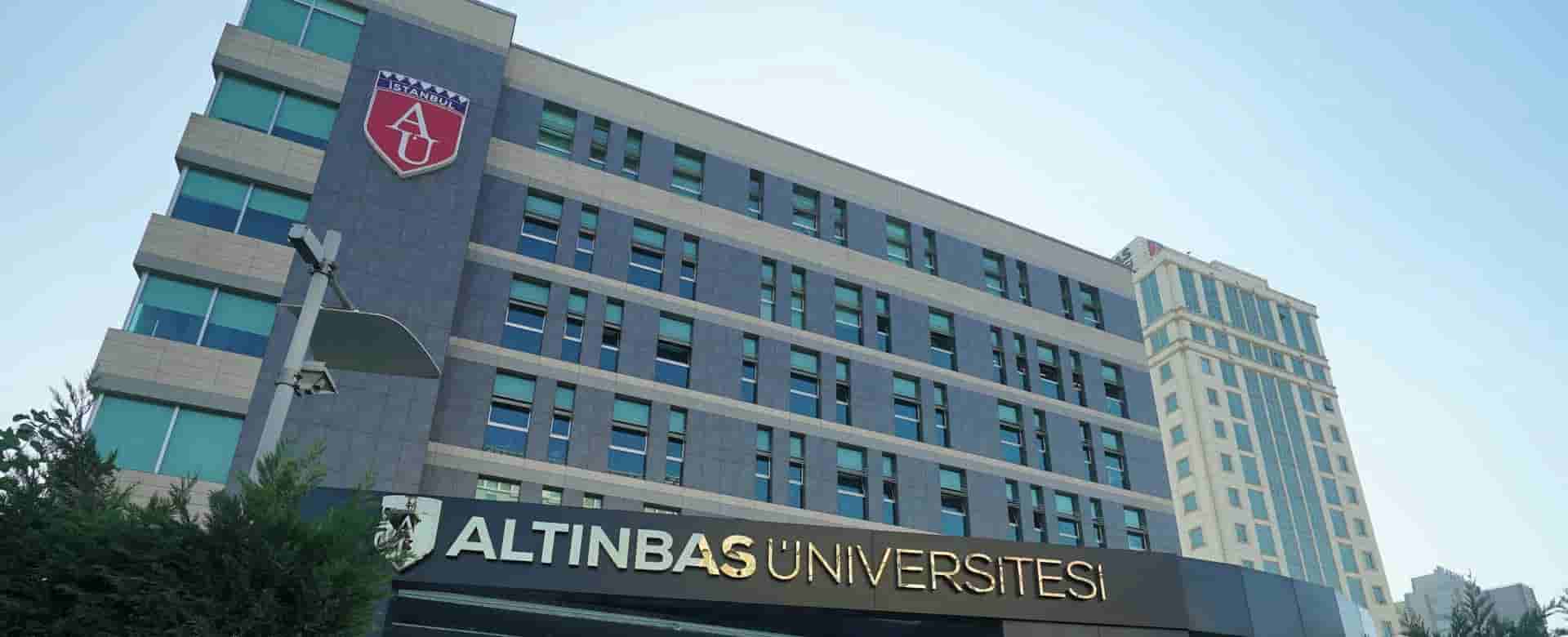 Dormitory
Istanbul, Turkey
 Dormitory
Istanbul, Turkey
 Dormitory
Istanbul, Turkey
 Dormitory
Istanbul, Turkey
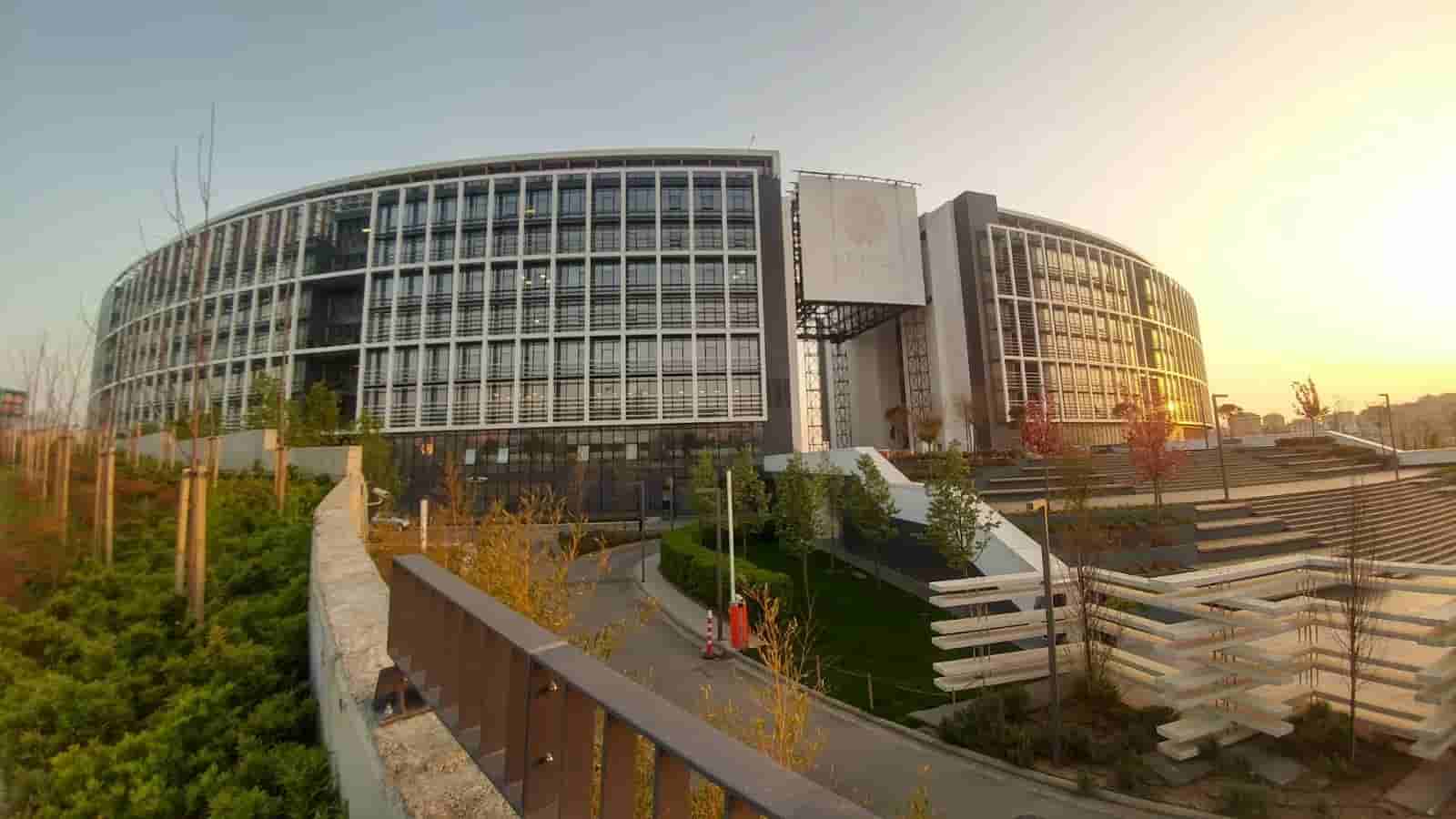 Dormitory
Istanbul, Turkey
 Dormitory
Istanbul, Turkey
 Dormitory
Istanbul, Turkey
 Dormitory
Istanbul, Turkey
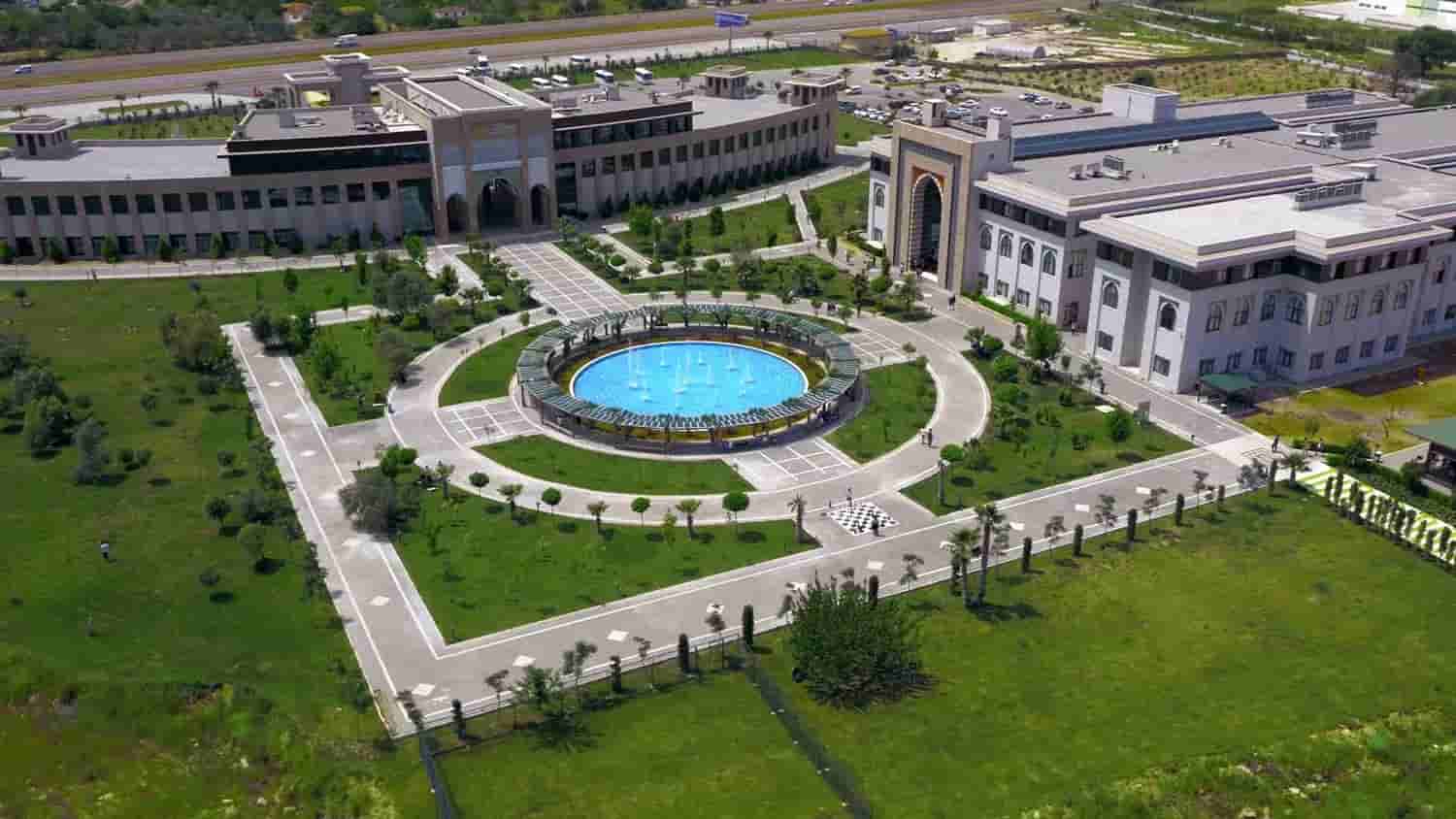 Dormitory
Antalya, Turkey
 Dormitory
Istanbul, Turkey
 Dormitory
Ankara, Turkey
 Dormitory
Istanbul, Turkey