



FAQs
Frequently Asked Questions and Answers

This page lists ten private universities in Turkey to compare, with notes on admission, language of instruction and common mistakes. Information about Turkish universities is scattered and sometimes contradicts itself, so students can end up deciding in a rush or missing options.

Turkish universities differ in size, location and teaching language. Many now offer English-taught programs next to Turkish ones, and some build their curricula around industry needs.
All ten universities in this post are private. The table further down shows where each one is and how it is rated.
Turkey offers a wide range of subjects and city campus life, and students come into contact with both European and regional business networks.
Tuition at these ten universities differs a lot, so compare fees program by program. Intake periods differ too, and some universities admit international students more than once a year. Check the dates for the program you want.
Bilkent University is in Ankara and the other nine are in Istanbul. They include Bahçeşehir University, Koç University, Sabancı University, Özyeğin University and Yeditepe University, along with Istanbul Nisantasi University, Istanbul Gelisim University, Istanbul Aydin University and Acıbadem Mehmet Ali Aydınlar University.
Between them they offer programs in business, engineering, social sciences and health. You can apply to each of these universities through StudyLeo.
Universities mainly review your earlier education and your documents: transcripts, graduation certificates and whether your background fits the level of the program. Requirements can differ by program, so read the page of the program you want.

Programs are available in English or Turkish, depending on the university and department. You are expected to show language readiness for the language of instruction, before or during enrollment.
Be ready for independent study, coursework-based grading and continuous assessment. Underestimating these expectations is a common adjustment problem for new students.
Some programs include internships, applied projects or industry partnerships. Look for them in the program description, because they differ from program to program.
Career outcomes depend heavily on your language skills, your field of study and how early you start planning your career.
We recommend applying through StudyLeo. Registration, transfer services and visa support are free, and we work directly with the universities, so there is no service fee.
Start by matching your background and career goals to a program. Document preparation and language planning come next.
A typical timeline has five steps:
Frequently Asked Questions and Answers
Look out blogs and aware of the latest trends and updates
Explore top universities offering quality education, modern facilities, and diverse academic opportunities for students worldwide



 Dormitory
Ankara, Turkey
 Dormitory
Istanbul, Turkey
 Dormitory
Istanbul, Turkey
 Dormitory
Istanbul, Turkey
 Dormitory
Istanbul, Turkey
 Dormitory
Istanbul, Turkey
 Dormitory
Istanbul, Turkey
 Dormitory
Istanbul, Turkey
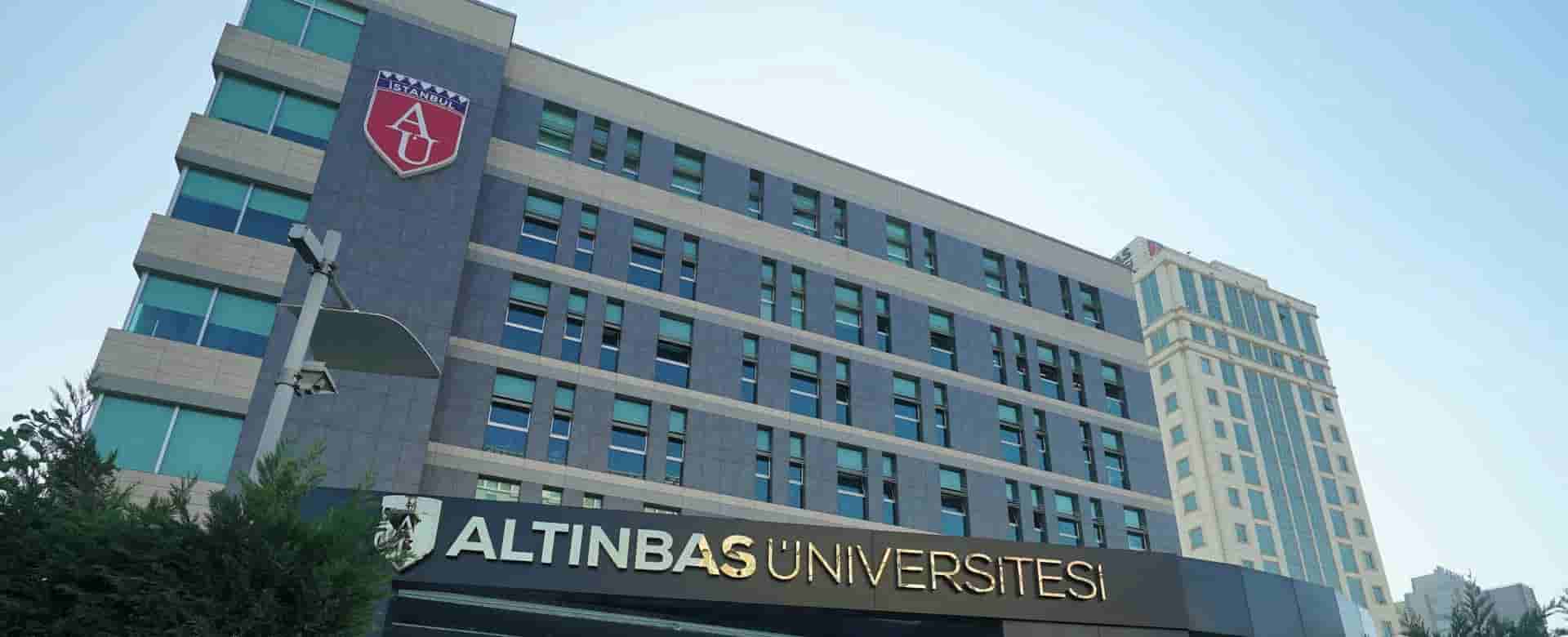 Dormitory
Istanbul, Turkey
 Dormitory
Istanbul, Turkey
 Dormitory
Istanbul, Turkey
 Dormitory
Istanbul, Turkey
 Dormitory
Istanbul, Turkey
 Dormitory
Istanbul, Turkey
 Dormitory
Istanbul, Turkey
 Dormitory
Istanbul, Turkey
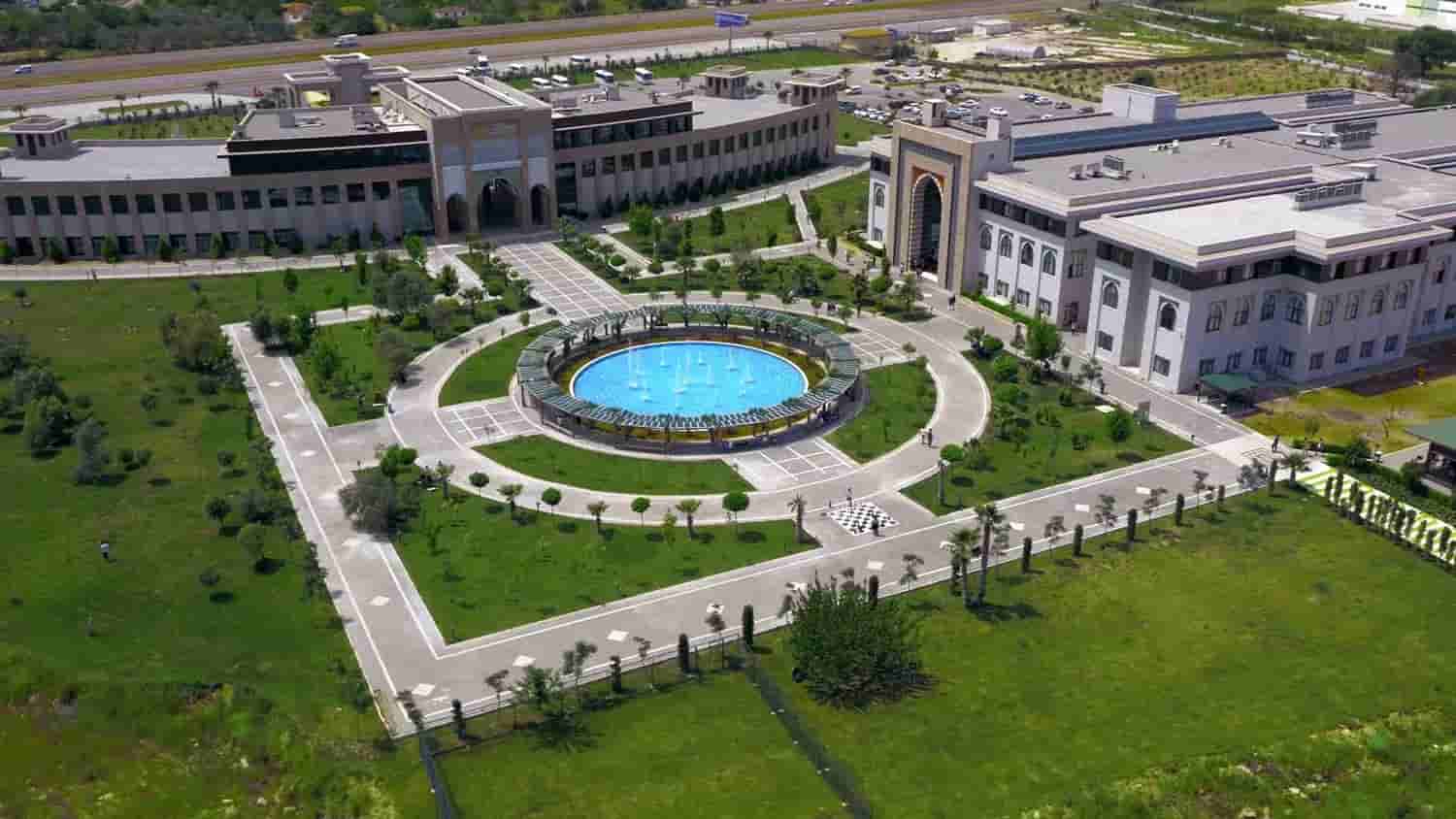 Dormitory
Antalya, Turkey
 Dormitory
Istanbul, Turkey
 Dormitory
Ankara, Turkey
 Dormitory
Istanbul, Turkey