

FAQs
Frequently Asked Questions and Answers

Turkey does not award a degree called MBBS. Its six-year Medicine program is the equivalent, and many private universities teach it in English. Students work in simulation labs and teaching hospitals and meet patients early in the course.
This guide explains how the program is structured, names private universities that offer it, and lists what international applicants need to apply.
MBBS stands for Bachelor of Medicine and Bachelor of Surgery. The title is common in countries such as the United Kingdom, India, and Pakistan. Turkey does not use it. Instead, its Medicine (MD-equivalent) program matches MBBS in structure and content. When you browse a university's program list, look for Medicine, not MBBS.
The program runs six years as one integrated course, with pre-clinical, clinical, and internship phases. Graduates receive a medical diploma equivalent to MBBS. Many countries recognize it, subject to their own licensing rules. The curriculum follows international medical education standards and national accreditation bodies oversee it.
Private universities invest in simulation laboratories, research hospitals, and clinical facilities. Students meet patients early, learn through problem-based methods, and see a range of cases.
English-medium programs let international students study Medicine without Turkish in the early years. During clinical training they pick up medical Turkish, which helps them work with patients.
Koç University is noted for research-driven medical education and hospital partnerships. Acıbadem Mehmet Ali Aydınlar University is affiliated with one of Turkey's largest healthcare groups. Yeditepe University offers a fully English-taught medical program with laboratory and hospital training.
İstinye University and Biruni University also run medical campuses with applied clinical education. Clinical years take place in hospitals, so ask each university which hospitals it uses for training. The table below lists each university's location, type, and rating.
The six years split into two halves. The first three cover basic medical sciences such as anatomy, physiology, biochemistry, and pathology, with laboratory practice. Students also begin seeing clinical settings through observation and simulation.
The last three years are clinical sciences and hospital training. Students rotate through internal medicine, surgery, pediatrics, and gynecology. The sixth year is a full-time internship in teaching hospitals, under supervision.
In the program table, compare the fee, language, and duration of each program before you shortlist.
Medicine admission is competitive. Universities look at your academic background, your preparation in science, and standardized exam results. The minimum SAT score listed for international applicants to medical programs is 1500. Confirm it with your chosen university before you apply.
Medicine applicants typically need:
Some universities may add an academic evaluation on top of the documents. They check readiness closely, so send everything early. StudyLeo helps you prepare the documents and handles the application without a service fee.
Many top private medical universities teach Medicine entirely in English. That helps if you plan a medical career abroad. The English-taught curriculum follows international standards, with internationally used textbooks and assessment methods.
You will still learn medical Turkish terms in the clinical years, so you can talk to patients during hospital training. Expect high academic demands: you need steady results across all six years to move forward.

Many graduates train as residents, in Turkey or abroad, depending on licensing rules. Turkish medical degrees are recognized in many countries, but you may have to pass local licensing exams.
Some graduates move into medical research, public health, or academic careers. Others go home to practice after completing the required equivalency procedures. Check the licensing rules of the country where you plan to work before you choose a university, because they decide what you must do after graduation.
Applications go directly through StudyLeo. We help with program selection, document submission, and admission follow-up, and we charge no service fee.
Medicine has more demanding requirements and evaluation than most programs, so ask early if you are unsure what a university needs.
Frequently Asked Questions and Answers
Look out blogs and aware of the latest trends and updates
Explore top universities offering quality education, modern facilities, and diverse academic opportunities for students worldwide


 Dormitory
Ankara, Turkey
 Dormitory
Istanbul, Turkey
 Dormitory
Istanbul, Turkey
 Dormitory
Istanbul, Turkey
 Dormitory
Istanbul, Turkey
 Dormitory
Istanbul, Turkey
 Dormitory
Istanbul, Turkey
 Dormitory
Istanbul, Turkey
 Dormitory
Istanbul, Turkey
 Dormitory
Istanbul, Turkey
 Dormitory
Istanbul, Turkey
 Dormitory
Istanbul, Turkey
 Dormitory
Istanbul, Turkey
 Dormitory
Istanbul, Turkey
 Dormitory
Istanbul, Turkey
 Dormitory
Istanbul, Turkey
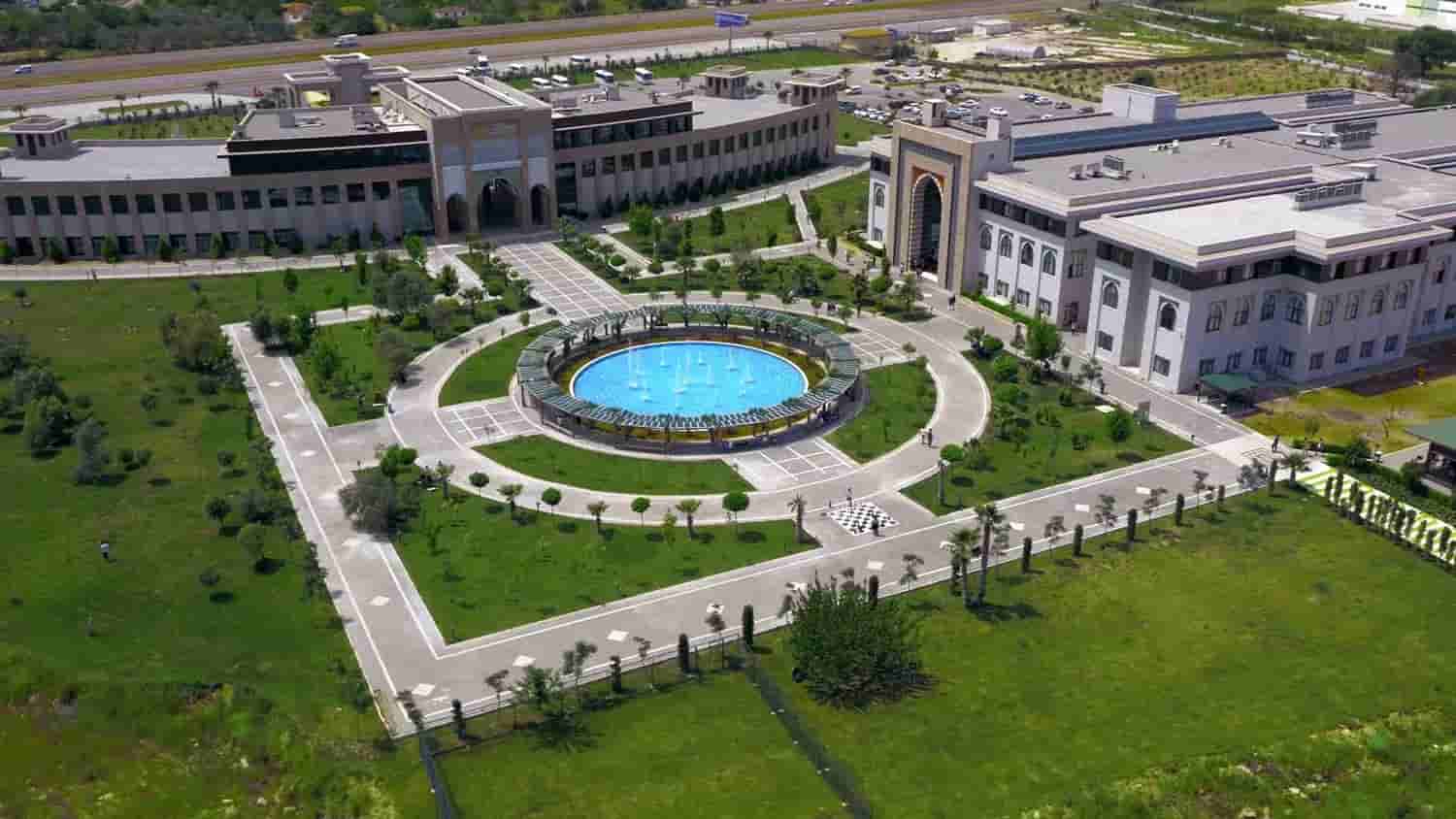 Dormitory
Antalya, Turkey
 Dormitory
Istanbul, Turkey
 Dormitory
Ankara, Turkey
 Dormitory
Istanbul, Turkey