

FAQs
Frequently Asked Questions and Answers

Demand for interior designers in Turkey is growing as cities expand, hospitality projects multiply and real estate developers compete harder for buyers. Clear information on where to study the field is harder to find. Program quality, studio facilities and industry links vary a lot from one university to the next, so it is worth comparing them before you apply.
The strongest private universities teach through studio work and real projects.
Your career prospects depend on the quality of your portfolio and how much contact you have with the industry.
Admission routes are clear, which makes planning easier for international students.
Turkey has English-taught programs and a large design market.
Turkey's construction and real estate sectors are busy, so interior design work is in steady demand, and that demand shapes university projects and training. Private universities invest in studios, material labs and digital design tools for hands-on work. Many instructors are practicing designers, so the feedback you get comes from people who work in the industry. In cities such as Istanbul, students can visit showrooms, fairs and design firms and start building contacts early. All of this helps graduates leave with a strong portfolio.

You can study interior design in Turkey at bachelor's, master's and doctoral level. A bachelor's program typically lasts four years. It covers the foundations: design skills, drawing, materials, construction systems and digital visualization. Students start in basic design studios and work up to larger interior projects for homes, commercial spaces and public buildings.
Graduate study is about specializing. A master's degree lets you go deeper into an area such as interior architecture, sustainable design or design theory. A doctorate centers on research and academic writing, and on making an original contribution to the field. At every level, the curriculum is built to develop creativity, critical thinking and a sense of professional responsibility.
Studio courses are the core of an interior design degree in Turkey. They are practical and project-based, and academic mentors supervise them closely. Students take on design problems modeled on real situations, which builds problem-solving skills and confidence. A typical studio project runs from site analysis and concept development to technical detailing and a final presentation.
Other courses add the technical and theoretical side: materials and construction, ergonomics, lighting design, building physics and digital modeling. Design software and visualization tools come in early, so graduates can use the same programs the industry uses. The goal is a designer who is both creative and technically capable.
Mimar Sinan Fine Arts University
Bilkent University
Kadir Has University
Bahçeşehir University
Istanbul Bilgi University
Özyeğin University
Hacettepe University
Yeditepe University
Many interior design programs in Turkey are taught fully in English and draw students from many parts of the world. The English-taught programs follow curricula in line with international ones, and many faculty members have academic and professional experience abroad. In class you work next to students who bring different design ideas with them.
Workshops, exhibitions and joint studio projects add more international contact. Students often enter national and international design competitions, which strengthens their portfolios and gets their work seen. Living in a country with such a long, layered history also gives you plenty to draw on as a designer.

Interior design graduates have a wide choice of jobs. Many work as interior designers or interior architects in architecture firms, design studios, construction companies and real estate development projects. Others specialize in furniture design, exhibition design, lighting consultancy or commercial interiors.
Some go on to a master's or doctorate and take an academic or research path. The studio-heavy training also prepares graduates to open their own design studio or work freelance. Demand for well-designed interiors is growing worldwide, and graduates of Turkish universities are ready to work in many different professional settings.
The documents you need depend on the degree level.
Associate and bachelor's degree:
High school diploma
Graduation certificate
Passport
High school transcript
Photo
Master's degree:
Graduation certificate
Bachelor's diploma
Bachelor's transcript
Passport
Photo
PhD:
Bachelor's diploma
Bachelor's transcript
Master's diploma
Master's transcript
Graduation certificate
Passport
Photo
StudyLeo helps international students get into interior design programs in Turkey. We help you choose a program, prepare your documents and submit the application, and we charge no service fee.
Our advisors explain what each program covers, what it expects from students and which careers it leads to. They then help you pick universities that fit your goals. Since many of these programs are taught in English, you can study in Turkey without first learning Turkish.
When you compare universities, look at the studio teaching, the experience of the academic staff and how closely the department works with the architecture and design industry. Good programs exist at both public and private universities.
Frequently Asked Questions and Answers
Look out blogs and aware of the latest trends and updates
Explore top universities offering quality education, modern facilities, and diverse academic opportunities for students worldwide




 Dormitory
Ankara, Turkey
 Dormitory
Istanbul, Turkey
 Dormitory
Istanbul, Turkey
 Dormitory
Istanbul, Turkey
 Dormitory
Istanbul, Turkey
 Dormitory
Istanbul, Turkey
 Dormitory
Istanbul, Turkey
 Dormitory
Istanbul, Turkey
 Dormitory
Istanbul, Turkey
 Dormitory
Istanbul, Turkey
 Dormitory
Istanbul, Turkey
 Dormitory
Istanbul, Turkey
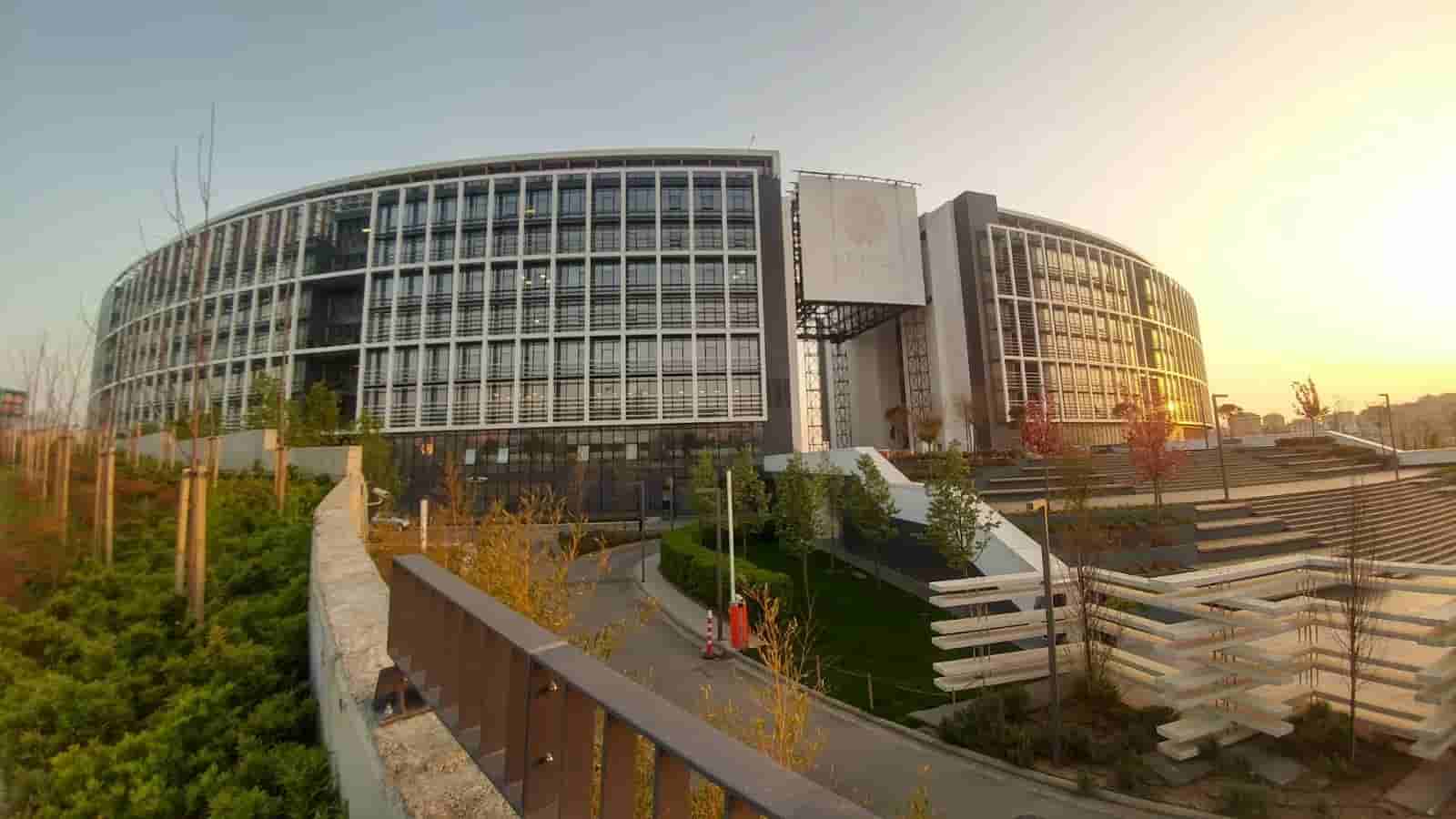 Dormitory
Istanbul, Turkey
 Dormitory
Istanbul, Turkey
 Dormitory
Istanbul, Turkey
 Dormitory
Istanbul, Turkey
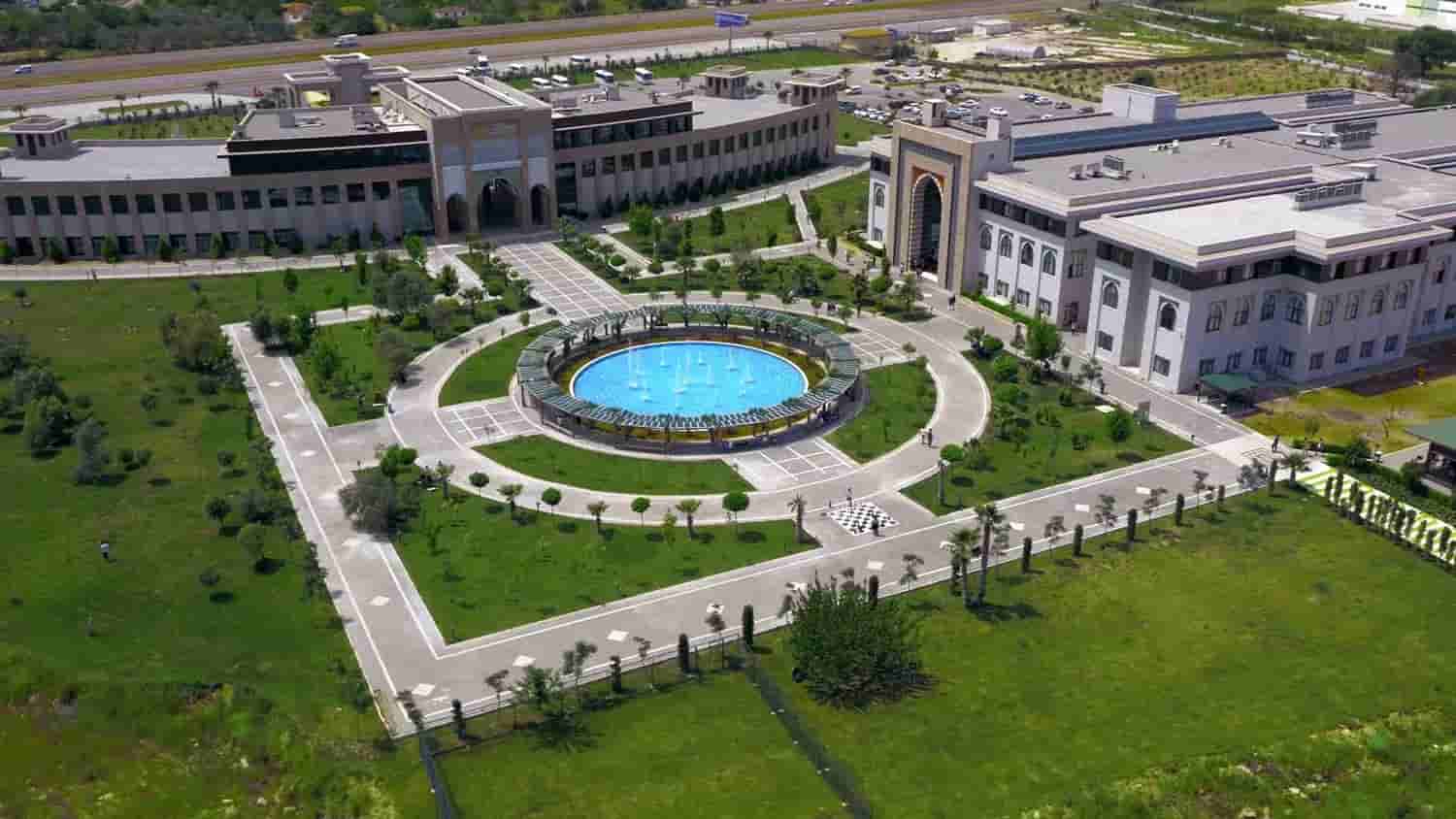 Dormitory
Antalya, Turkey
 Dormitory
Istanbul, Turkey
 Dormitory
Ankara, Turkey
 Dormitory
Istanbul, Turkey