FAQs
Frequently Asked Questions and Answers

Medical residency in Turkey is postgraduate clinical training in which a doctor specializes in one field under supervision in a hospital. Turkish doctors and international medical graduates can both apply. Teaching hospitals in cities such as Istanbul, Ankara and Izmir train residents, and the Ministry of Health and accredited universities supervise the training. Most of the training is taught in Turkish.
Residency in Turkey combines academic teaching with hands-on clinical work. The healthcare system has modernized quickly over the last two decades, and large integrated city hospitals now play a central role in training residents.
Turkey's location means residents treat a diverse patient population, which builds diagnostic skills and clinical decision-making. Living costs are also lower than in Western Europe or North America.
Before residency you must complete a six-year medical degree (MD or equivalent). It covers pre-clinical sciences, clinical rotations and a compulsory internship year. Once you graduate, you can apply for residency programs.
The Ministry of Health and accredited universities supervise residency training together. Teaching hospitals fall into two groups: university hospitals, and research and training hospitals. Both take part in resident education, research and public healthcare.
Both Turkish citizens and international graduates can enter residency, but the routes differ slightly. Turkish graduates must pass the Medical Specialty Examination (TUS), while international applicants usually follow a separate evaluation process. All candidates need academic transcripts, clinical experience and language proficiency.
Most residency training is in Turkish, so international applicants generally need advanced Turkish. Some universities also hold interviews or written tests of clinical knowledge.

Residency covers all major medical and surgical specialties, but some fields draw more demand because of career prospects and the strength of the host institutions. These include:
Internal medicine
General surgery
Pediatrics
Obstetrics and gynecology
Cardiology
Competition in these specialties is high, so your academic record and exam results decide placement.
Length varies by specialty, generally from 3 to 6 years. Surgical fields usually take longer, and some diagnostic specialties are shorter.
Residents work full time and take night shifts and on-call duties, and they take part in academic activities. The workload can be demanding. Residents gain independence gradually under senior supervision.
Licensing systems differ between Turkey, Europe and the United States. The table compares how long training lasts and which language it is in.
| Aspect | Turkey | Europe | United States |
|---|---|---|---|
| Typical duration | 3 to 6 years | 4 to 6 years | 3 to 7 years |
| Language | Turkish | Local languages | English |
Residents are often required to complete a thesis or research project before they finish. Some publish in international journals or present at conferences abroad.
Some universities that offer residency have partnerships with institutions in Europe and Asia, so residents may be able to join short-term exchanges or joint research.
Residents receive a monthly salary from the state or affiliated institutions. It is modest by Western standards but usually covers basic living costs, and night shifts and extra duties can add to it.
Living costs depend on the city. Istanbul is more expensive, while Ankara and other regional cities cost less. Overall costs stay lower than in many European capitals.
Graduates may work in the Turkish healthcare system, subject to licensing regulations. Career options include public hospitals, private clinics and university hospitals.
Each country decides for itself whether it recognizes residency training completed in Turkey. Graduates who plan to work abroad may need to pass additional exams or meet local licensing requirements, so check the rules of that country before you start.
Turkey is investing in healthcare infrastructure, digital health technologies and medical research, and these investments are changing the training environment. The country also wants to become a regional medical hub.

It depends on your Turkish level and on where you plan to work afterward. Training is mostly in Turkish, the workload is heavy and the salary is modest, so the route suits doctors who are ready for all three. In return you get structured training, hands-on clinical exposure and lower costs than in much of Western Europe or North America.
Frequently Asked Questions and Answers
Look out blogs and aware of the latest trends and updates
Explore top universities offering quality education, modern facilities, and diverse academic opportunities for students worldwide




 Dormitory
Ankara, Turkey
 Dormitory
Istanbul, Turkey
 Dormitory
Istanbul, Turkey
 Dormitory
Istanbul, Turkey
 Dormitory
Istanbul, Turkey
 Dormitory
Istanbul, Turkey
 Dormitory
Istanbul, Turkey
 Dormitory
Istanbul, Turkey
 Dormitory
Istanbul, Turkey
 Dormitory
Istanbul, Turkey
 Dormitory
Istanbul, Turkey
 Dormitory
Istanbul, Turkey
 Dormitory
Istanbul, Turkey
 Dormitory
Istanbul, Turkey
 Dormitory
Istanbul, Turkey
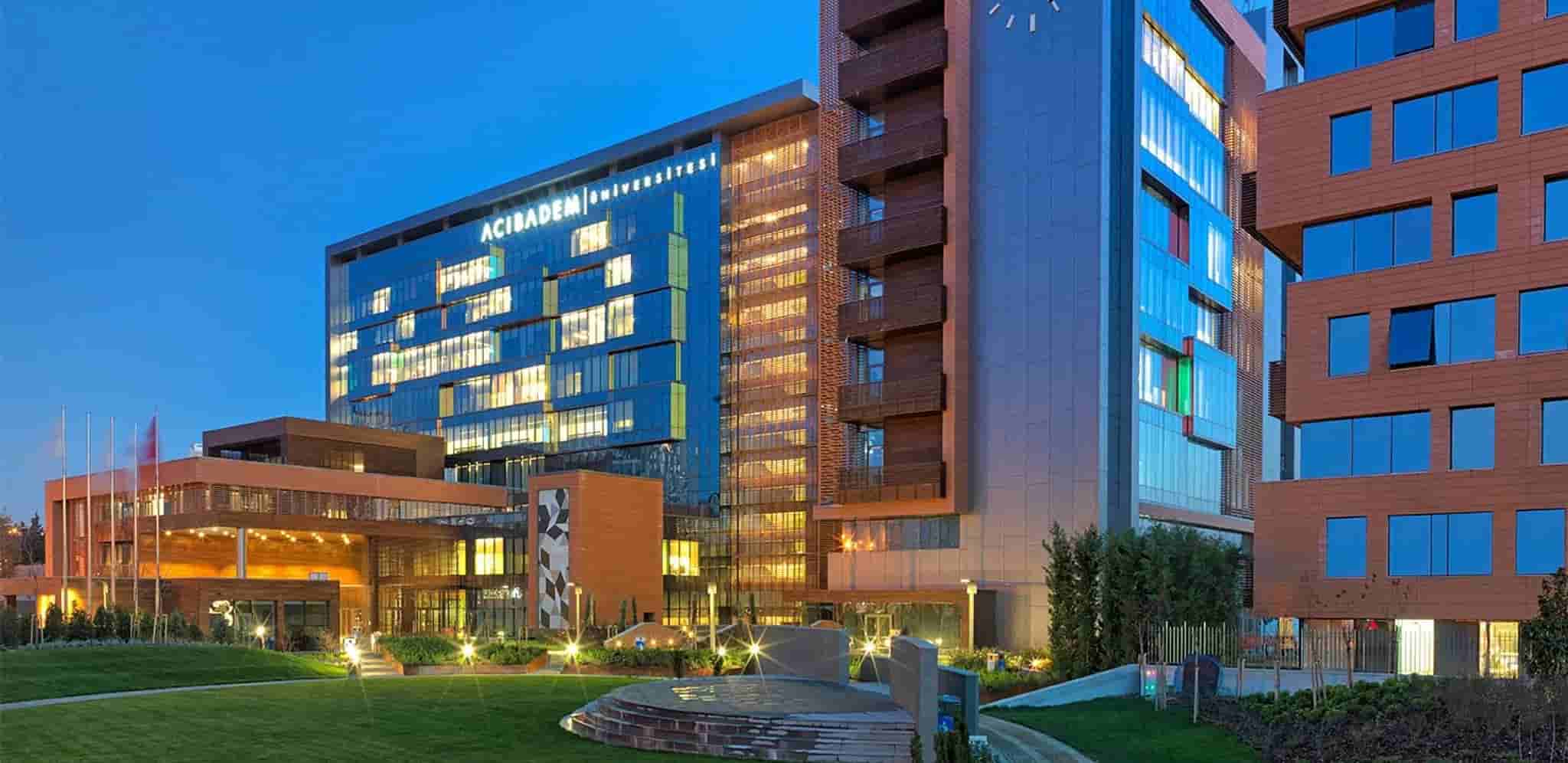 Dormitory
Istanbul, Turkey
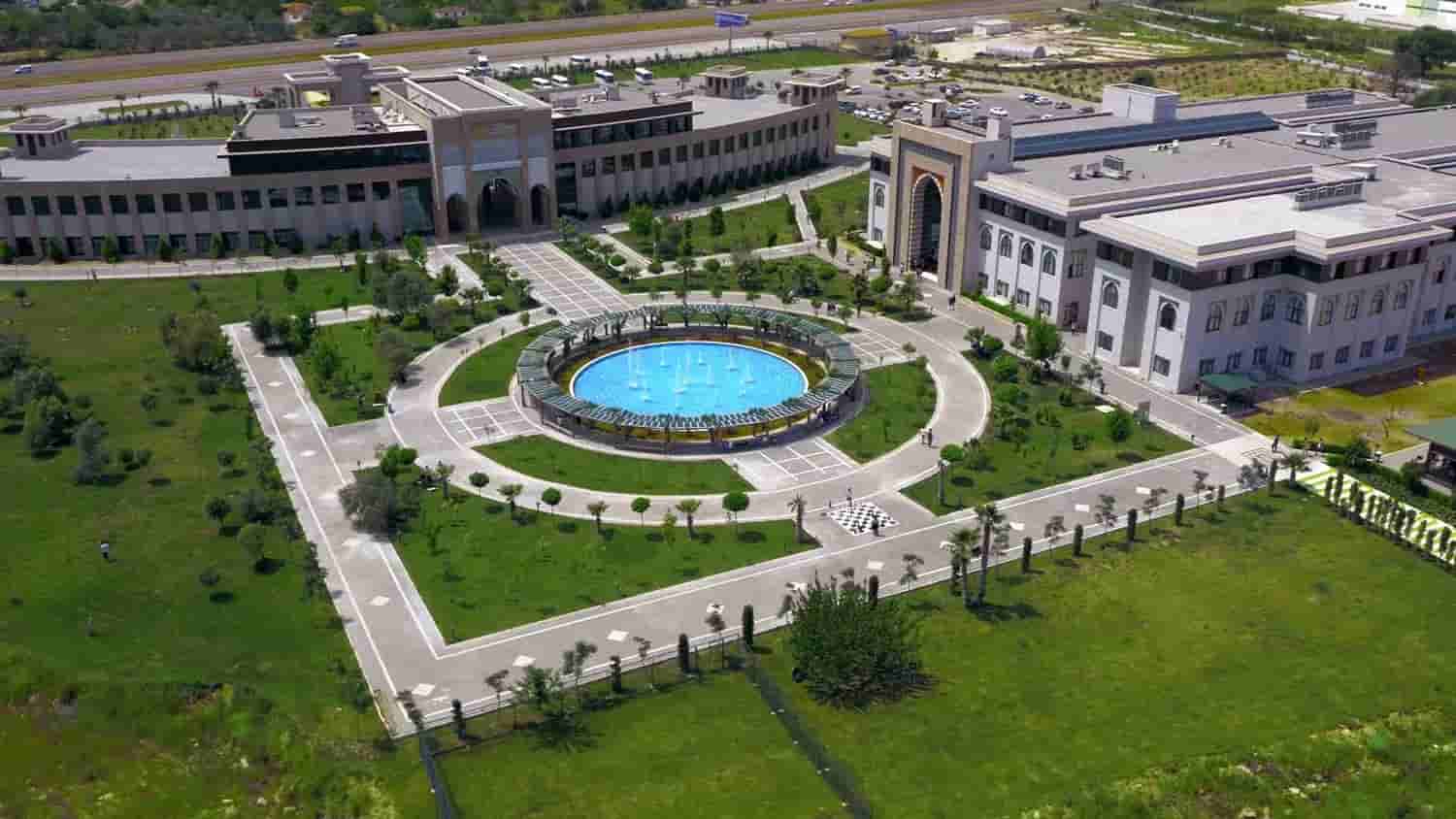 Dormitory
Antalya, Turkey
 Dormitory
Istanbul, Turkey
 Dormitory
Ankara, Turkey
 Dormitory
Istanbul, Turkey