



FAQs
Frequently Asked Questions and Answers

Turkey has many private medical colleges. Some train future doctors, and others run shorter health programs in nursing, laboratory work and similar roles. International students look at them for English-taught programs and clinical training. Because medical study takes years, families often compare quality, recognition and clinical strength before choosing.

Private medical colleges focus on practical, clinical education. Many work alongside large hospitals, so students meet real patients early and hands-on learning becomes routine.
Colleges also have laboratories and simulation centers where students practice procedures safely with modern tools.
Medical education usually lasts six years. The early years teach anatomy and core sciences, lab sessions play a major role, and exams test both theory and practice. In the later years students move to hospital rotations. They join doctors on rounds and observe real treatments, taking on responsibility gradually.
Associate programs in health fields are shorter. Most last 2 years and include practical training and hospital rotations.
Medical colleges partner with teaching hospitals that treat many patients every day, so students see a variety of cases. The hospitals use modern medical technology. Students follow real cases and discuss them in class, which deepens understanding.

Many private medical colleges teach fully in English, so books and exams are in English too. That gives international students access to global resources.
Basic Turkish is still taught, because doctors have to speak with patients, and support classes help students adapt.
Medical colleges operate under national higher education supervision. Accredited institutions protect the value of the diploma, and many colleges also seek international recognition.
Graduates who want to practice abroad must meet that country's licensing rules, and some countries require exams. A recognized diploma helps with eligibility. Ask each college about its accreditation before you apply.
Graduates of private medical vocational colleges in Turkey can work in hospitals, clinics, laboratories, pharmacies and rehabilitation centers. Roles include nursing, medical laboratory technician, radiology assistant, physiotherapy support and emergency medical services.
Many graduates continue to bachelor's programs, which widens their career options. Practical training, internships and English-language study prepare them for work in healthcare.

Applications to private medical vocational colleges in Turkey go through StudyLeo. Students send documents such as high school diplomas, transcripts, passports and photos directly to the colleges. StudyLeo applies no hidden charges and guides students through every step.
Colleges evaluate candidates on academic qualifications and suitability for healthcare programs.
Decide first whether you want a medicine degree or a shorter health program. Then compare the colleges in the table and apply through StudyLeo.
Frequently Asked Questions and Answers
Look out blogs and aware of the latest trends and updates
Explore top universities offering quality education, modern facilities, and diverse academic opportunities for students worldwide


 Dormitory
Ankara, Turkey
 Dormitory
Istanbul, Turkey
 Dormitory
Istanbul, Turkey
 Dormitory
Istanbul, Turkey
 Dormitory
Istanbul, Turkey
 Dormitory
Istanbul, Turkey
 Dormitory
Istanbul, Turkey
 Dormitory
Istanbul, Turkey
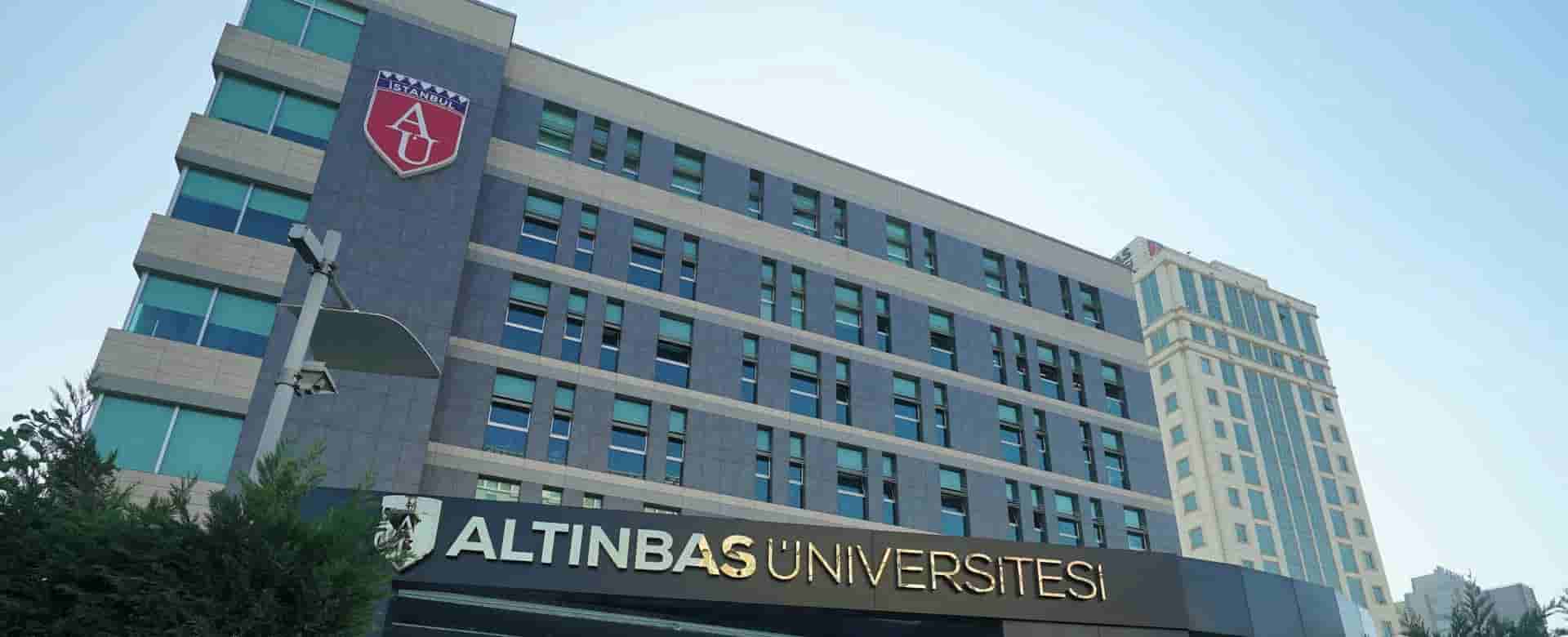 Dormitory
Istanbul, Turkey
 Dormitory
Istanbul, Turkey
 Dormitory
Istanbul, Turkey
 Dormitory
Istanbul, Turkey
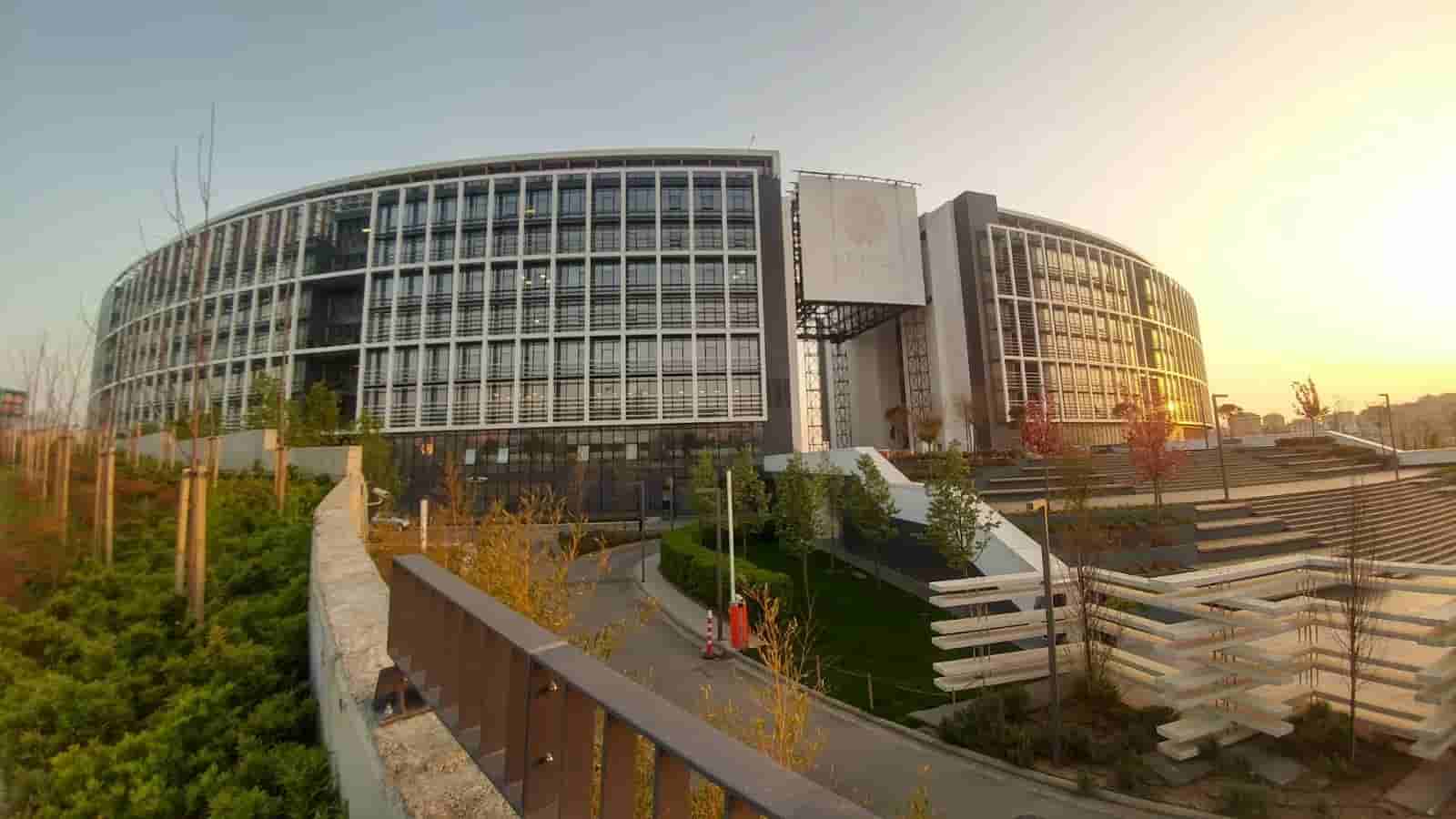 Dormitory
Istanbul, Turkey
 Dormitory
Istanbul, Turkey
 Dormitory
Istanbul, Turkey
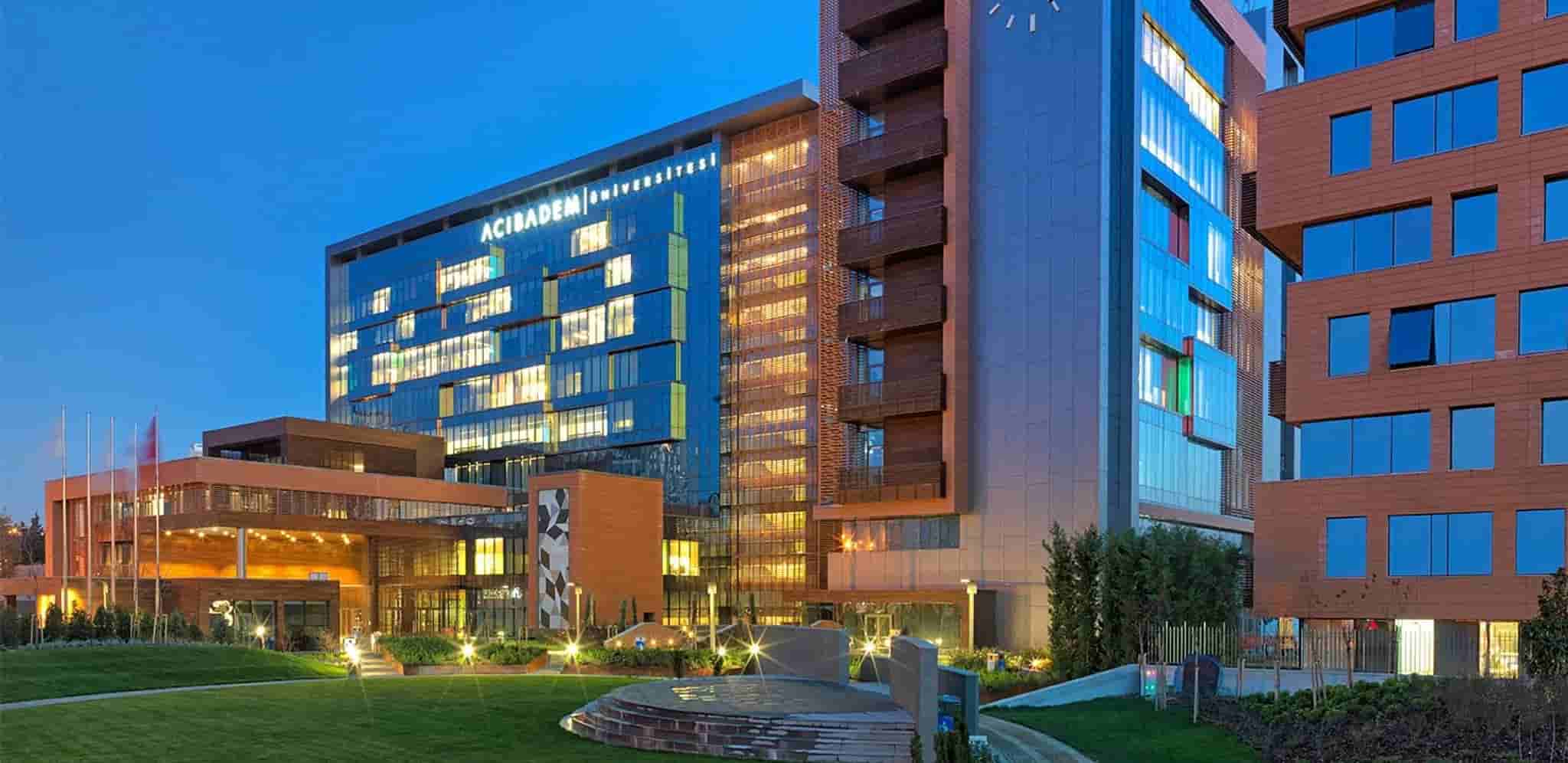 Dormitory
Istanbul, Turkey
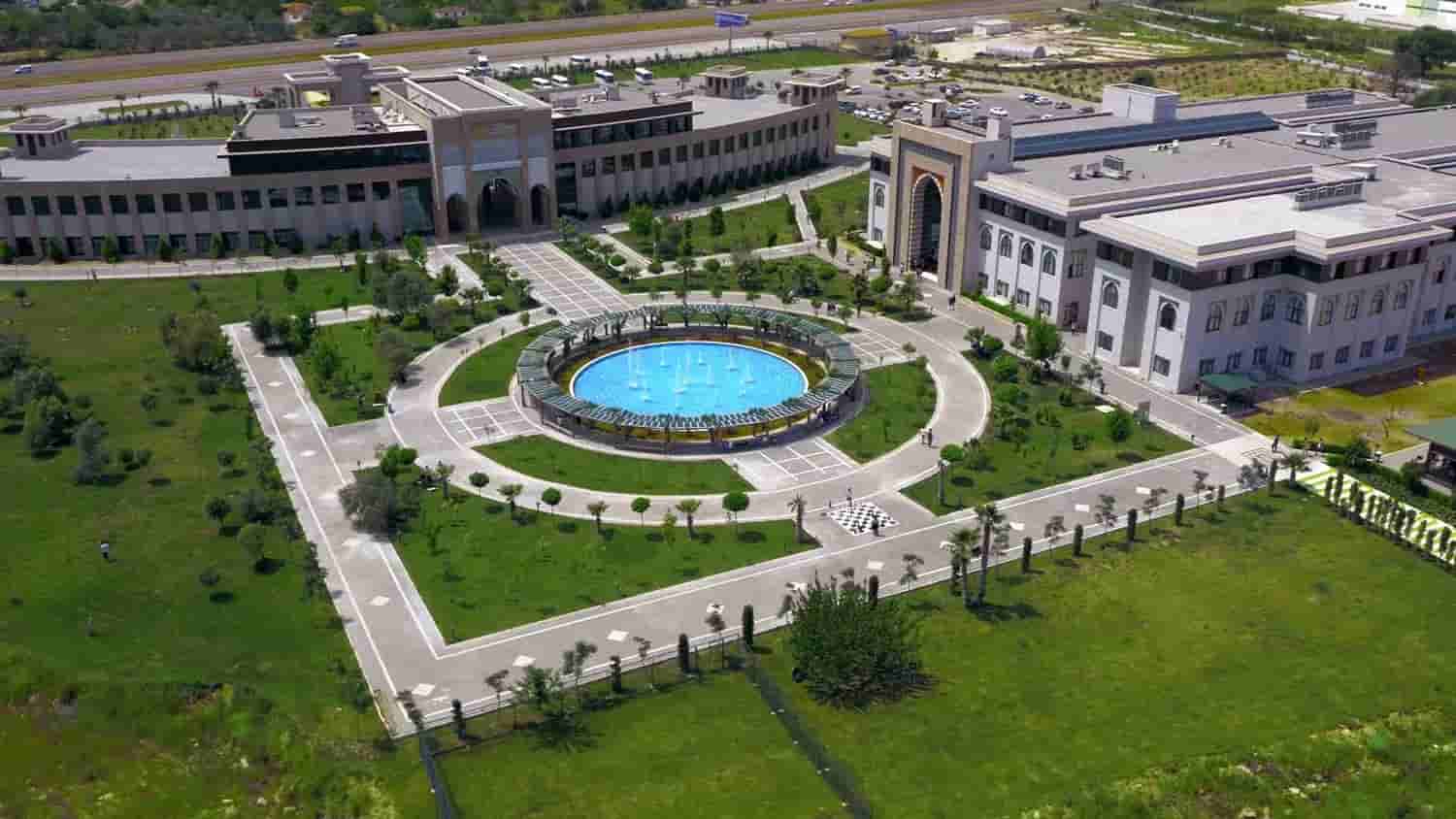 Dormitory
Antalya, Turkey
 Dormitory
Istanbul, Turkey
 Dormitory
Ankara, Turkey
 Dormitory
Istanbul, Turkey