

FAQs
Frequently Asked Questions and Answers

More than 300,000 international students choose Turkey each year, and many of them find daily conversation hard in their first semester. Most of them got a university place without trouble. What they lacked was a plan for learning the language and clear advice. Students often piece together information from different sources and assume they will only need Turkish in class. In practice you also need it for housing, transport and paperwork. A planned Turkish course gives you the words for all of that, and it makes your studies and your social life steadier.
Your level of Turkish affects both your grades and how quickly you settle into daily life.
Courses differ in how intensive they are, how long they last and how closely they connect to a degree.
Good Turkish makes it easier to find an internship or a part-time job.
Getting into a course is easy. What decides your result is studying regularly.
Costs and course length are predictable, so you can plan ahead.
Turkish helps you at university, at work and in everyday life. These are the main reasons to learn it:
Many Turkish universities teach whole programs in Turkish, especially in medicine, engineering and the social sciences.
Speaking the language helps you adjust to Turkish society faster and understand local customs.
Turkish is spoken in several regions, which creates jobs in education, trade, tourism and diplomacy.
Renting a flat, taking the bus or dealing with an office is much easier when you speak Turkish.
Many government and university scholarships prefer or require applicants who know Turkish.

Several private universities run Turkish-taught degrees and also offer language preparation. Istanbul Aydın University and Başkent University combine their language courses with degree pathways, so a student can finish the language year and move into a degree at the same university.
At Istanbul Beykent University and Istanbul Gelisim University, Turkish is used widely in lectures and around campus. Both put weight on everyday speaking and on getting students ready for academic work.
Istanbul Kultur University, Haliç University and Istanbul Arel University also teach in Turkish across several faculties and have a wide range of programs. Pick the program that matches the degree you plan to finish, even if another option looks easier in the first year.
The benefits of Turkish last well beyond your studies:
It is easier to find work.
You make friends and professional contacts more easily.
You understand Turkish culture and traditions better.
You feel more confident in everyday conversations.
Your chances of staying in Turkey long term, or building a career there, improve.
With good Turkish you stop just getting by and start taking part in the life around you. That helps your studies and your personal growth. Turkish also lets you meet admission requirements and opens a wider choice of programs. These often have lower tuition than English-taught options, so you have more freedom in choosing a university and a field.
Turkish courses run from level A1 to C1, following international standards. The early levels cover grammar and basic conversation. Higher levels add academic vocabulary and formal writing.
You can choose an intensive or a standard format. Intensive courses usually take 20 to 30 hours a week and move faster. Standard courses take longer but leave more room in your schedule. Many schools add speaking practice, presentations and role plays of real situations so you can use what you learn.
Universities often link the language course to their degree programs. Once you reach the required level, you can start your degree without a break.
Underestimating the level you need
Many students think basic conversational Turkish is enough. University study needs structured writing, presentations and the vocabulary of your subject.
Choosing only by course length
Short programs look efficient, but intensive formats take up all your time. If the format does not fit your life, you may not finish the level.
Starting too late
If you only start after you arrive, housing, paperwork and daily errands all get harder. Starting early takes pressure off your first semester.
Studying irregularly
Progress comes from regular practice. Missed classes and little contact with the language slow you down a lot.
Ignoring your degree plans
Your course should match what you will study next. Students heading for a Turkish-taught degree need a higher level than those studying in English.
How to plan
Start preparing at least 3 to 6 months in advance.
Set your target level based on the degree you want.
Choose an intensive or a standard course to fit your schedule.
Have your documents and timeline ready before you apply.
Use StudyLeo to compare courses and manage your application in one place.
Students who build their Turkish early usually settle in faster and run into fewer problems at university and at work. Plan with realistic dates and with your degree in mind. A fast course is only useful if it leaves you ready for lectures, exams and life outside the classroom.
Frequently Asked Questions and Answers
Look out blogs and aware of the latest trends and updates
Explore top universities offering quality education, modern facilities, and diverse academic opportunities for students worldwide





 Dormitory
Ankara, Turkey
 Dormitory
Istanbul, Turkey
 Dormitory
Istanbul, Turkey
 Dormitory
Istanbul, Turkey
 Dormitory
Istanbul, Turkey
 Dormitory
Istanbul, Turkey
 Dormitory
Istanbul, Turkey
 Dormitory
Istanbul, Turkey
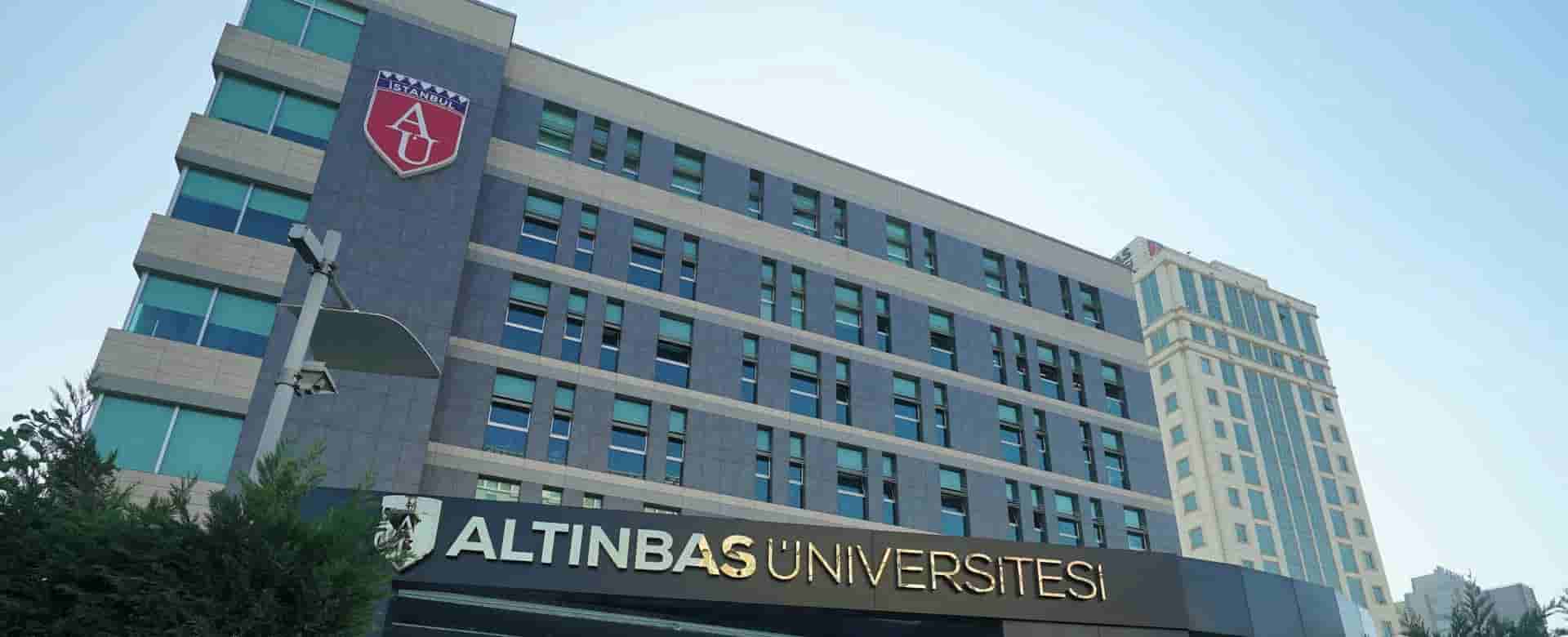 Dormitory
Istanbul, Turkey
 Dormitory
Istanbul, Turkey
 Dormitory
Istanbul, Turkey
 Dormitory
Istanbul, Turkey
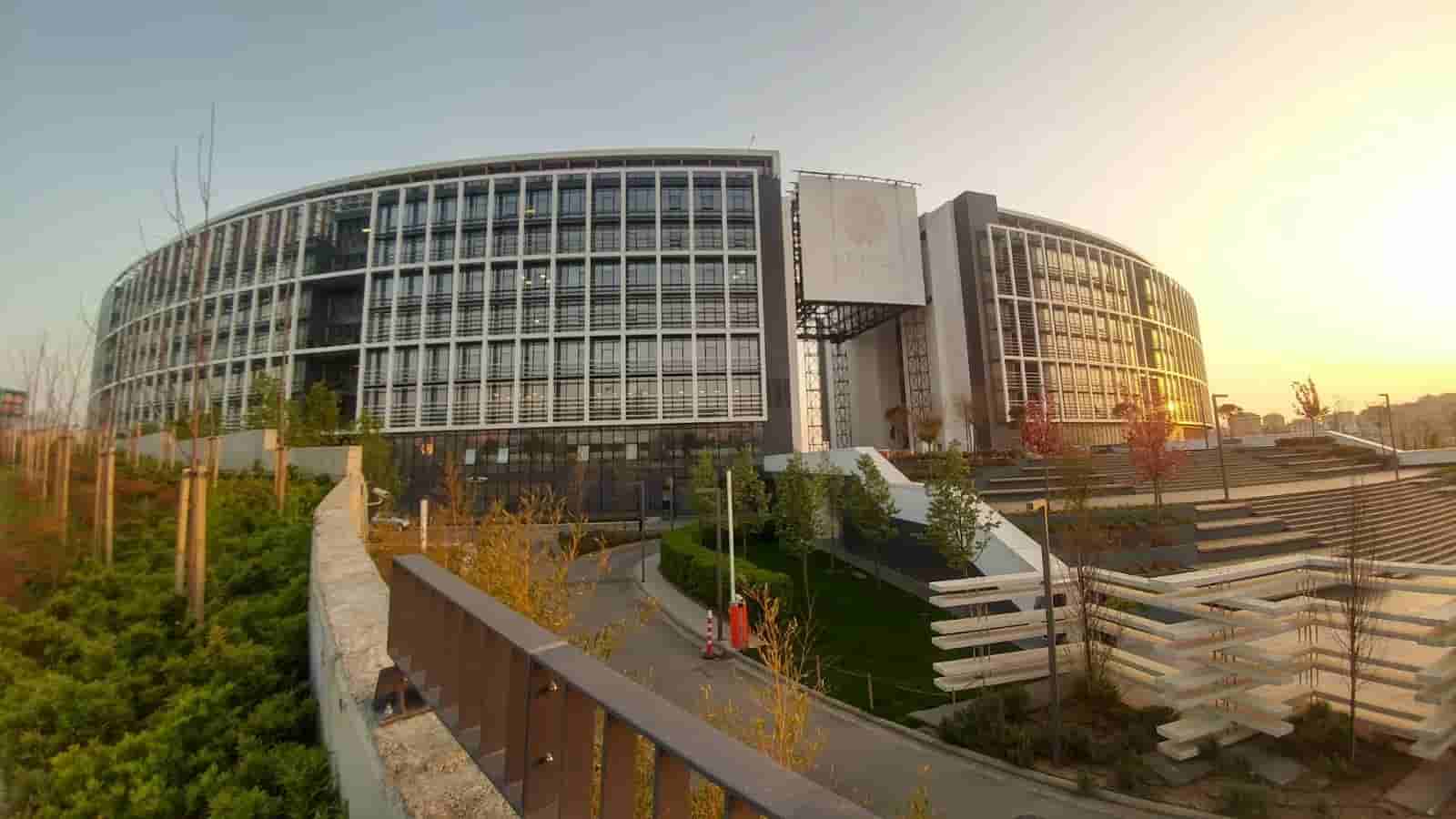 Dormitory
Istanbul, Turkey
 Dormitory
Istanbul, Turkey
 Dormitory
Istanbul, Turkey
 Dormitory
Istanbul, Turkey
 Dormitory
Antalya, Turkey
 Dormitory
Istanbul, Turkey
 Dormitory
Ankara, Turkey
 Dormitory
Istanbul, Turkey