


FAQs
Frequently Asked Questions and Answers

Over 300,000 international students are enrolled at Turkish universities, and private universities run a growing share of the English-medium programs. Information about these programs is scattered across many sources, which makes it hard for applicants and advisers to compare them. How admission works, how programs are built and what each university focuses on are often unclear until you see them side by side. Below we cover the academic structure and the details that matter when you decide where to study.
Academic study in Turkey follows a standard bachelor's, master's and doctoral structure that uses international credit systems. Curricula are generally flexible, so students reach courses in their own field earlier than in more rigid systems. Depending on the program, the balance leans toward theory or toward applied work.
Engineering, business, health sciences and the social sciences often mix classroom teaching with practical work, and many universities build applied training into their programs. Program design differs from one university to the next, but most private universities use modular courses and let students plan part of their studies through electives.

Students pick Turkey because it combines structured education with flexible paths through a degree. You can specialize early and still study within an internationally recognized framework. Private universities also vary a great deal, both in the kind of institution they are and in the programs they run.
The main reasons students give:
For students who want room to adjust their academic plans without giving up the quality of the structure, Turkey is a practical option.
Each Turkish university builds its own academic focus around where its faculty is strongest and which industries it works with. Some lean toward research and theory. Others put applied learning, professional training or interdisciplinary study first.
Between them, these universities cover the major fields: business, engineering, health sciences, the social sciences and design. They all follow the same national higher education structure, but they differ in teaching approach, workload and how much practical work they include.
To get into a private university in Turkey, you generally need to have completed the level of education that comes before the degree you want.
Language requirements depend on the program. Some programs are taught in English and others in Turkish. Universities offer English-taught programs across many faculties, plus academic preparation for students who need it.
Documents required at each study level:
| Study level | High school diploma | Graduation certificate | Bachelor's diploma | Bachelor's transcript | Master's diploma | Master's transcript | Passport | Photo |
|---|---|---|---|---|---|---|---|---|
| Associate | Yes | Yes | No | No | No | No | Yes | Yes |
| Bachelor's | Yes | Yes | No | No | No | No | Yes | Yes |
| Master's | No | Yes | Yes | Yes | No | No | Yes | Yes |
| PhD | No | Yes | Yes | Yes | Yes | Yes | Yes | Yes |
StudyLeo is a single application platform for students applying to private universities in Turkey. Rather than applying to each university separately, you choose programs, submit applications and track admission decisions in one place.
We offer free registration and free transfer assistance, and we handle applications through direct partnerships with universities. You deal with less scattered paperwork and can compare your options more easily.
The process usually starts with choosing a program. You then submit your documents, and the application is processed through the platform. Once universities have evaluated it, enrollment is arranged in the same system.
When you compare options, look at how each program is structured and how it fits your career goals. A university's general reputation tells you much less about what your studies will actually look like.
Frequently Asked Questions and Answers
Look out blogs and aware of the latest trends and updates
Explore top universities offering quality education, modern facilities, and diverse academic opportunities for students worldwide



 Dormitory
Ankara, Turkey
 Dormitory
Istanbul, Turkey
 Dormitory
Istanbul, Turkey
 Dormitory
Istanbul, Turkey
 Dormitory
Istanbul, Turkey
 Dormitory
Istanbul, Turkey
 Dormitory
Istanbul, Turkey
 Dormitory
Istanbul, Turkey
 Dormitory
Istanbul, Turkey
 Dormitory
Istanbul, Turkey
 Dormitory
Istanbul, Turkey
 Dormitory
Istanbul, Turkey
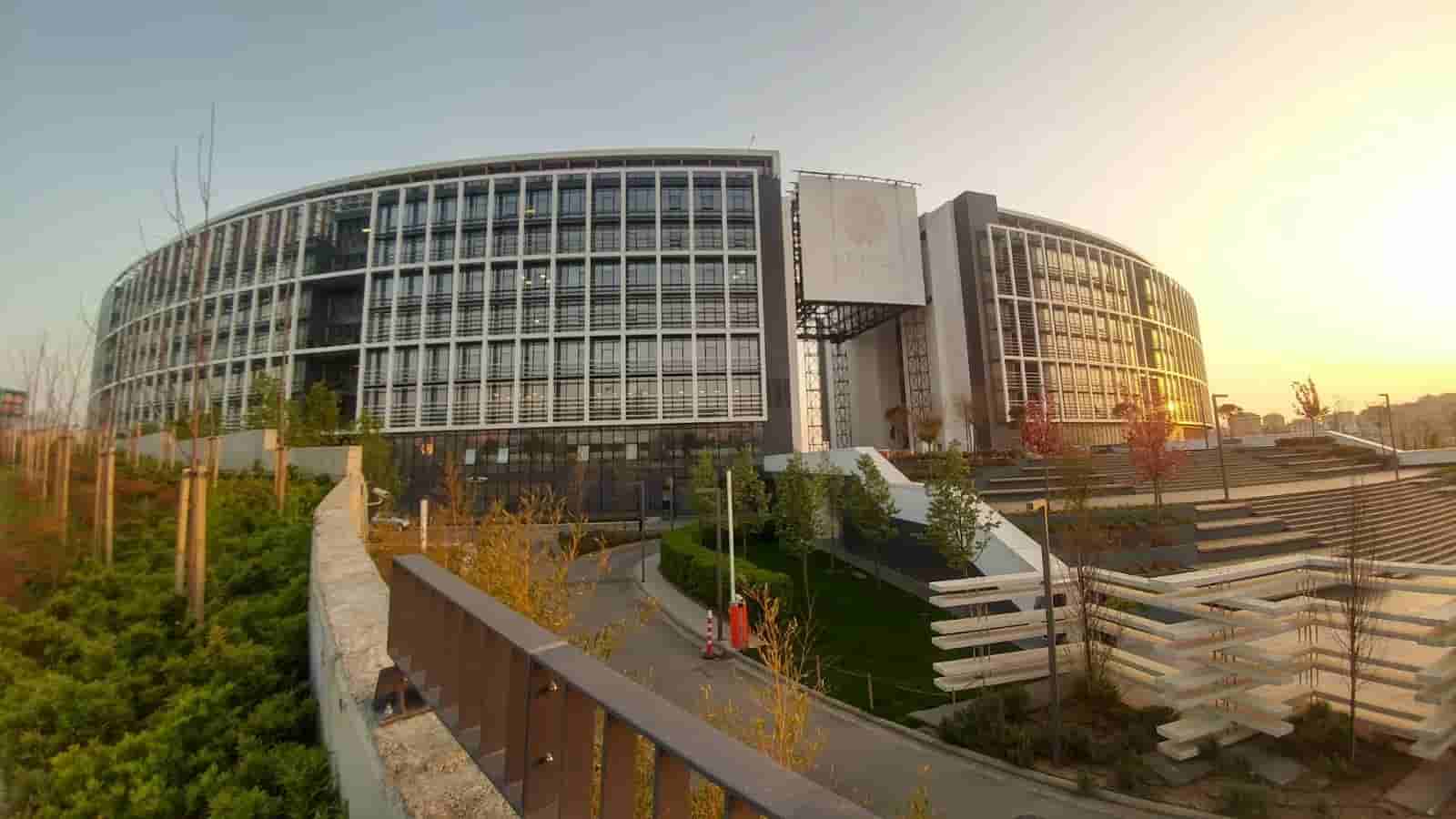 Dormitory
Istanbul, Turkey
 Dormitory
Istanbul, Turkey
 Dormitory
Istanbul, Turkey
 Dormitory
Istanbul, Turkey
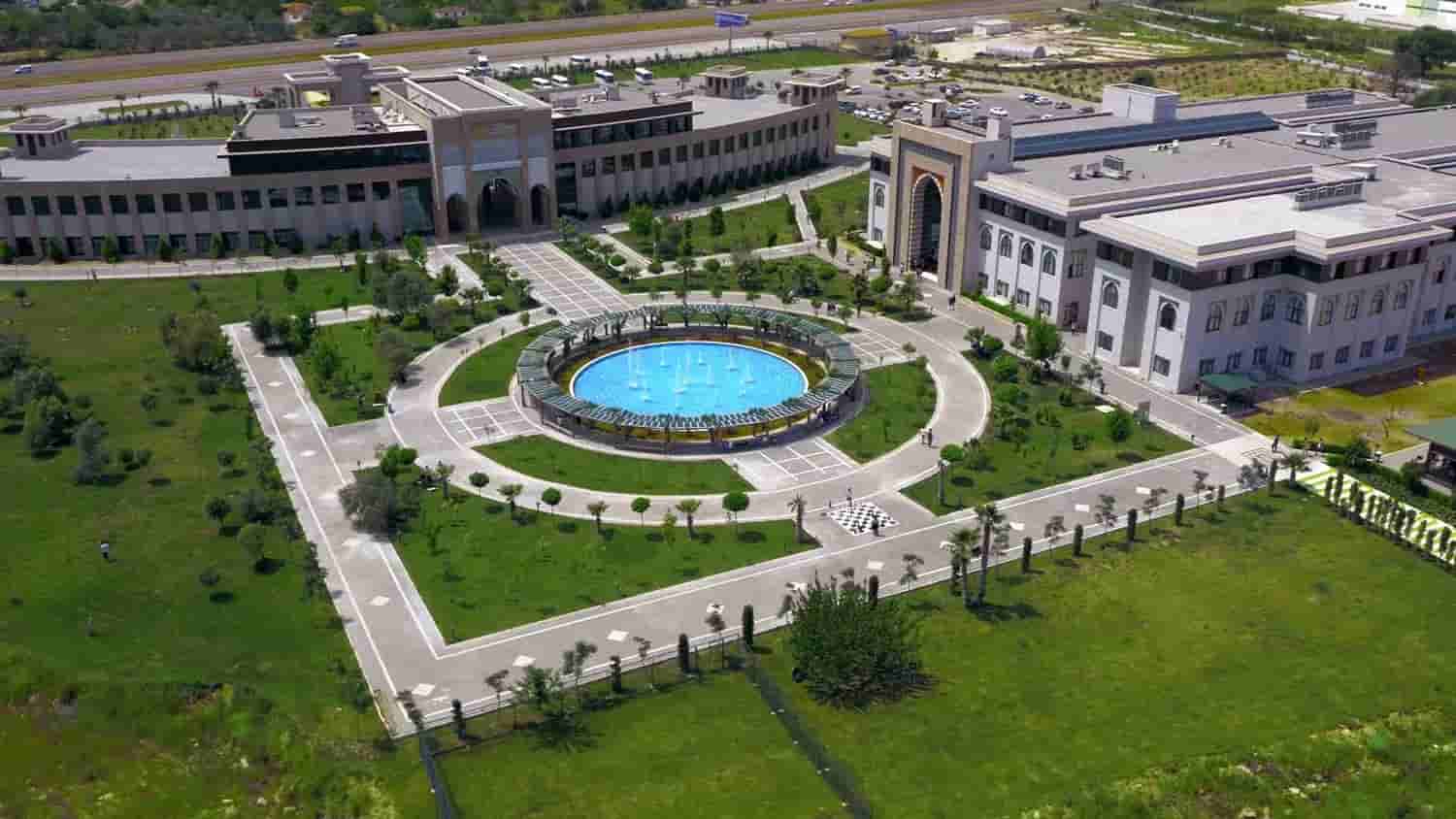 Dormitory
Antalya, Turkey
 Dormitory
Istanbul, Turkey
 Dormitory
Ankara, Turkey
 Dormitory
Istanbul, Turkey