
FAQs
Frequently Asked Questions and Answers

Academic freedom is the right of universities, researchers and students to teach, do research and debate ideas without undue interference. In most university systems it goes hand in hand with institutional autonomy, independent research and open academic discussion.
In Turkey, higher education runs under a framework set at the national level, while universities keep academic structures in line with international standards. To see how academic freedom works here, you have to look at two things: how universities are governed and how teaching and research happen day to day.

Every university in Turkey is supervised by the Council of Higher Education (YÖK), Turkey's higher education authority. YÖK coordinates the main policies, accreditation standards and structural rules, so standards and quality checks are the same across the country. Universities still decide a good deal for themselves: they design their curricula, hire their faculty, choose research priorities and run their internal affairs.
Private foundation universities usually have more room to move. They can open new programs, sign international partnerships, teach degrees in English and react faster to changes in academia and industry. Many of them put applied learning, joint research and work with industry alongside traditional academic study.
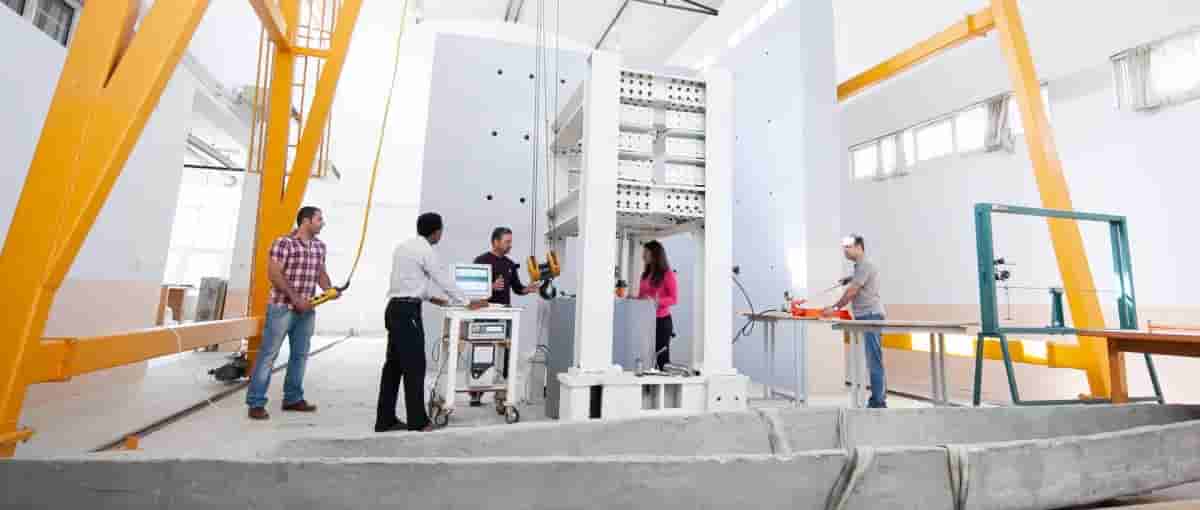
Turkey has invested heavily in research over the past two decades. Universities take part in:
Many universities run their own research centers and laboratories in medicine, engineering, the social sciences and technology.
The table below lists some research-heavy programs, from medicine to artificial intelligence engineering and neuroscience, with the fee, language and duration at each university.
A few figures show the size of the system:
Together they show how large Turkish higher education is and how closely it is tied to university systems abroad.

YÖK keeps central oversight, but each university manages its own:
The idea is to hold every university to national standards while leaving academic planning to the institution itself.
Because Turkey takes part in the Bologna Process, its universities use the European credit system (ECTS). That makes three things possible:
Exchange with universities abroad is a normal part of student life in Turkey.

University systems, institutional structures and program differences are hard to follow from abroad. When you compare universities, look at the academic environment together with program quality, teaching methods, the way students are assessed and the support services on offer.
Course flexibility, internships, campus resources and everyday student life deserve a look too. They affect how well you do in class and how you settle in outside it.
At StudyLeo, we help students understand how Turkish universities work, compare institutions and choose programs that fit their academic goals, interests and career plans.
Frequently Asked Questions and Answers
Look out blogs and aware of the latest trends and updates
Explore top universities offering quality education, modern facilities, and diverse academic opportunities for students worldwide





 Dormitory
Ankara, Turkey
 Dormitory
Istanbul, Turkey
 Dormitory
Istanbul, Turkey
 Dormitory
Istanbul, Turkey
 Dormitory
Istanbul, Turkey
 Dormitory
Istanbul, Turkey
 Dormitory
Istanbul, Turkey
 Dormitory
Istanbul, Turkey
 Dormitory
Istanbul, Turkey
 Dormitory
Istanbul, Turkey
 Dormitory
Istanbul, Turkey
 Dormitory
Istanbul, Turkey
 Dormitory
Istanbul, Turkey
 Dormitory
Istanbul, Turkey
 Dormitory
Istanbul, Turkey
 Dormitory
Istanbul, Turkey
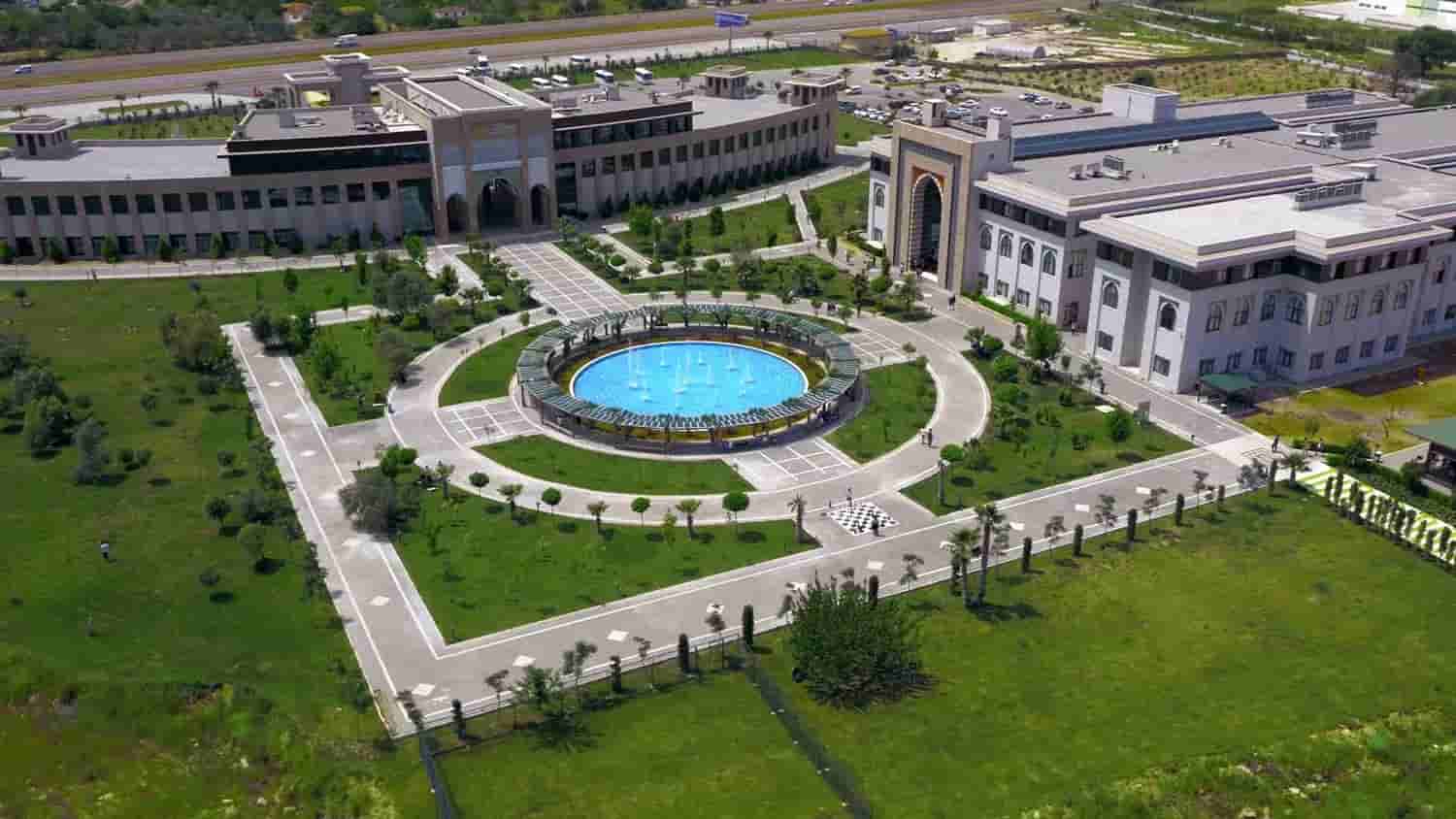 Dormitory
Antalya, Turkey
 Dormitory
Istanbul, Turkey
 Dormitory
Ankara, Turkey
 Dormitory
Istanbul, Turkey