FAQs
Frequently Asked Questions and Answers

Before you choose a university, find out how its diploma will be treated abroad. Students want to know whether they can continue to a master's degree in another country, apply for professional licensing or enter international job markets. The answer depends on the destination country as much as on the Turkish university.
Turkish universities work within academic frameworks that follow European standards, and many private foundation universities offer English-medium programs. Knowing how equivalence works lets you plan your studies around the country where you may want to continue.

Turkey is part of the Bologna Process, which standardizes higher education structures across Europe. Most universities follow a 4-year bachelor's degree, followed by master's programs and structured PhD pathways.
The European Credit Transfer System lets courses be evaluated and compared internationally. That makes the process more transparent when you apply for a postgraduate program or transfer credits abroad. Final recognition still depends on the regulations of the destination country or the professional authority.
The table lists six private universities in Istanbul: Bahçeşehir, Istanbul Aydın, Yeditepe, Istanbul Medipol, Altınbaş and İstinye. All six list English-taught programs on StudyLeo.
Turkey has more than 70 foundation universities and over 300,000 international students. The European Credit Transfer System is widely used, so the structure is familiar to evaluators in Europe.

For regulated professions such as medicine, engineering, law and teaching, the destination country may require an additional evaluation of your diploma. Licensing authorities often review curriculum content, training hours and internship components.
If you plan to work abroad, check the professional recognition rules in your target country before you enroll. Academic recognition and professional licensing are related but separate processes.
Many private universities in Turkey offer full programs in English. Transcripts, course descriptions and diplomas in English are easier to evaluate internationally, which helps if you plan to move abroad for a master's degree or a job. Recognition still depends on the country that evaluates the diploma.
Students ask about compatibility because they want to continue their education abroad, apply to master's or PhD programs more easily, and compete on international job markets. They also want transparent academic documents and credits that another university can transfer.

Equivalence rules are complicated. You have to consider academic recognition, professional licensing and the rules of the specific country.
We help you choose programs that are easier to have recognized abroad, and we explain the recognition steps for the country you have in mind, from program evaluation to documentation. Apply through StudyLeo and we will go through those steps with you.

Frequently Asked Questions and Answers
Look out blogs and aware of the latest trends and updates
Explore top universities offering quality education, modern facilities, and diverse academic opportunities for students worldwide



 Dormitory
Ankara, Turkey
 Dormitory
Istanbul, Turkey
 Dormitory
Istanbul, Turkey
 Dormitory
Istanbul, Turkey
 Dormitory
Istanbul, Turkey
 Dormitory
Istanbul, Turkey
 Dormitory
Istanbul, Turkey
 Dormitory
Istanbul, Turkey
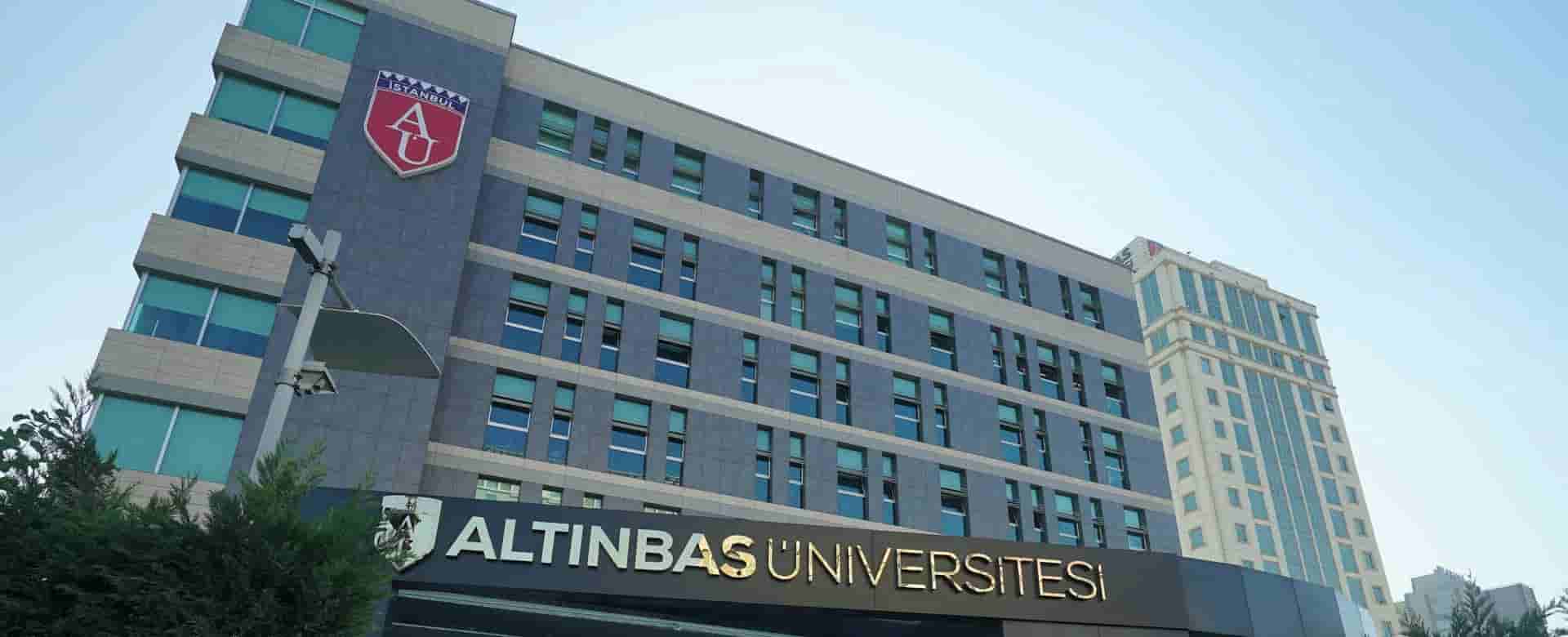 Dormitory
Istanbul, Turkey
 Dormitory
Istanbul, Turkey
 Dormitory
Istanbul, Turkey
 Dormitory
Istanbul, Turkey
 Dormitory
Istanbul, Turkey
 Dormitory
Istanbul, Turkey
 Dormitory
Istanbul, Turkey
 Dormitory
Istanbul, Turkey
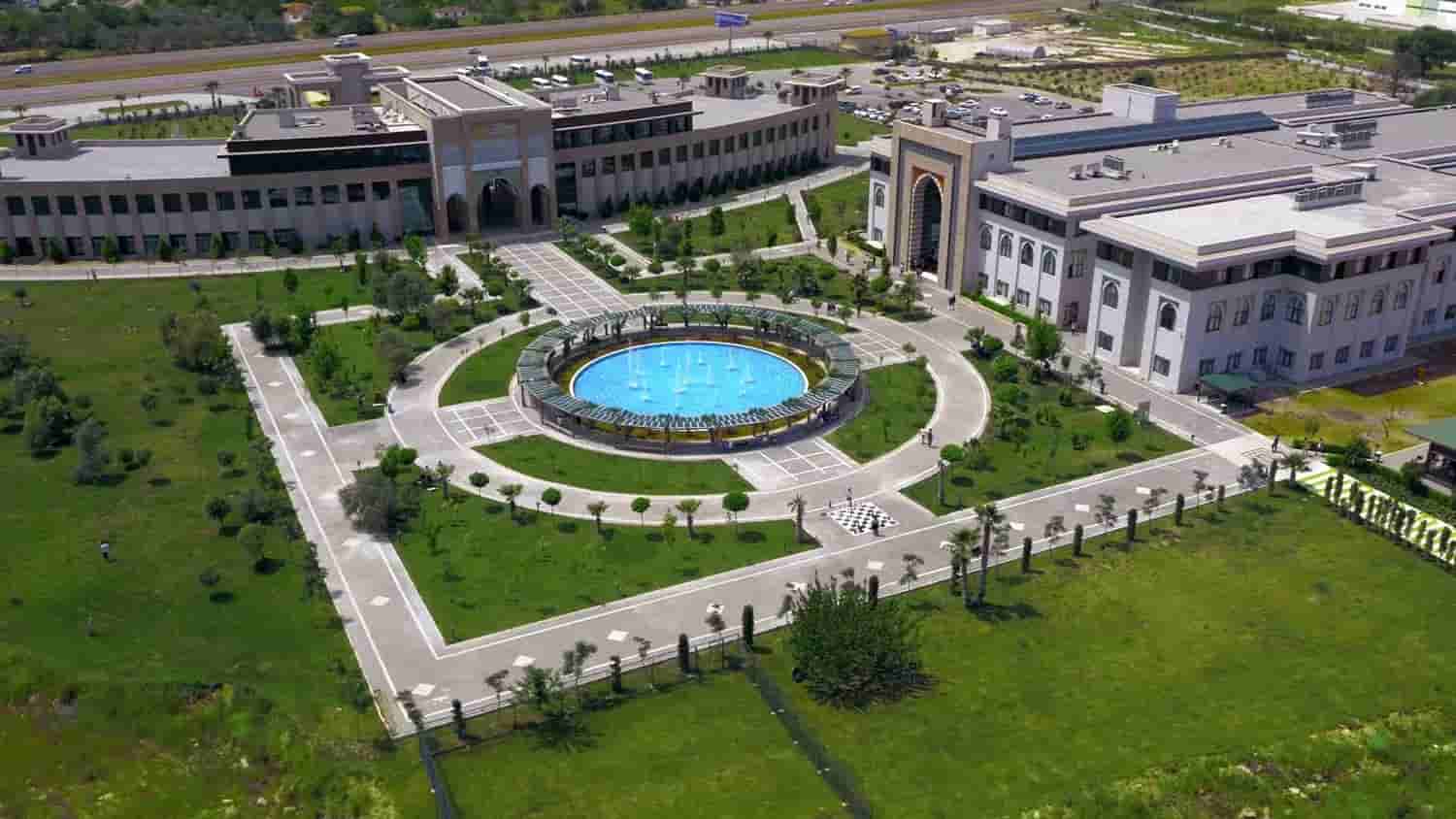 Dormitory
Antalya, Turkey
 Dormitory
Istanbul, Turkey
 Dormitory
Ankara, Turkey
 Dormitory
Istanbul, Turkey