


FAQs
Frequently Asked Questions and Answers

Turkish universities offer master's and PhD programs in specialized fields of dentistry. Clear information is hard to find, though. International students often can't tell how a program is structured, what clinical training it requires or how licensing works after graduation. To judge whether a program fits your career plans, you need those details, plus a plan for admission.
Turkey has both master's and PhD programs in dentistry. Master's programs train you in a clinical specialty such as orthodontics, endodontics, periodontics, oral surgery or prosthodontics. They are mainly clinical, with a set amount of supervised patient treatment. PhD programs focus on research methods, academic writing and original work in dental science.
Clinical training takes place in hospitals linked to the university, where you treat patients under faculty supervision. This practical part usually makes up 60-70% of the program. You take part in case discussions, treatment planning and consultations with other specialties. Training moves in steps, from watching to treating patients on your own with a supervisor checking your work.

Medipol offers master's programs in orthodontics, endodontics and oral surgery, some with English teaching. Its dental hospital handles over 15,000 patient visits a month, so students see a wide range of cases.
Bahçeşehir has programs in periodontics and prosthodontics and partnerships for clinical exchanges abroad. Its research labs work on digital dentistry and biomaterials.
Yeditepe runs postgraduate programs in all dental specializations. It has research centers for implantology and aesthetic dentistry, and clinical training rotates through three dental clinics on campus.
Bezmialem is strong in oral and maxillofacial surgery. Training takes place inside the hospital, with complex surgical cases and treatment planned across several specialties.
Depending on the university, a postgraduate dentistry program may be taught in English or in Turkish. Clinical training, however, is mostly in Turkish. You will talk to patients directly, take their dental and medical histories, explain procedures and write clinical records in Turkish.
For Turkish-taught programs and clinical tracks, you need strong Turkish. Basic conversation is not enough when you work with patients. Plan for 6 to 12 months of structured Turkish study to reach a working level for clinical rotations and daily practice.
For a master's program:
For a PhD program:
In Istanbul, Ankara or Izmir, living costs average $400 to $600 a month. That covers shared accommodation, food, local transport and basic utilities. In smaller cities such as Antalya or Konya, costs are usually lower, at $300 to $450 a month.
Health insurance is required for a residence permit. Through a university-linked plan it usually costs $100 to $200 a year.
Clinical materials, textbooks and professional equipment can add $500 to $1,000 to your first-year costs. Some universities include certain materials in their fees, while others expect you to buy instruments and supplies yourself. Put these professional costs in your budget on top of everyday living costs.

Some students think they can pick up clinical Turkish without formal study. They then struggle to talk with patients and to follow medical terms. Take a proper language course before clinical rotations begin.
Some graduates find out too late that their degree needs many extra exams at home, or is not recognized at all. Before you apply, contact your home country's dental council and ask about the specific universities you are considering.
Apostille and translation can take 2-3 months. Last-minute applications lead to missed deadlines or rushed forms full of errors.
StudyLeo works in direct partnership with Turkish universities that offer postgraduate dentistry. University registration, residence permit support and airport transfer are all free. Because we deal with the universities directly, the information on program structure, admission requirements and application steps is accurate, and you don't have to deal with several university systems on your own.
A postgraduate dentistry degree shapes your career for many years. Before you choose, compare the program, how much clinical training it includes, the university's facilities and faculty, and whether the degree is recognized where you plan to practice.
Frequently Asked Questions and Answers
Look out blogs and aware of the latest trends and updates
Explore top universities offering quality education, modern facilities, and diverse academic opportunities for students worldwide




 Dormitory
Ankara, Turkey
 Dormitory
Istanbul, Turkey
 Dormitory
Istanbul, Turkey
 Dormitory
Istanbul, Turkey
 Dormitory
Istanbul, Turkey
 Dormitory
Istanbul, Turkey
 Dormitory
Istanbul, Turkey
 Dormitory
Istanbul, Turkey
 Dormitory
Istanbul, Turkey
 Dormitory
Istanbul, Turkey
 Dormitory
Istanbul, Turkey
 Dormitory
Istanbul, Turkey
 Dormitory
Istanbul, Turkey
 Dormitory
Istanbul, Turkey
 Dormitory
Istanbul, Turkey
 Dormitory
Istanbul, Turkey
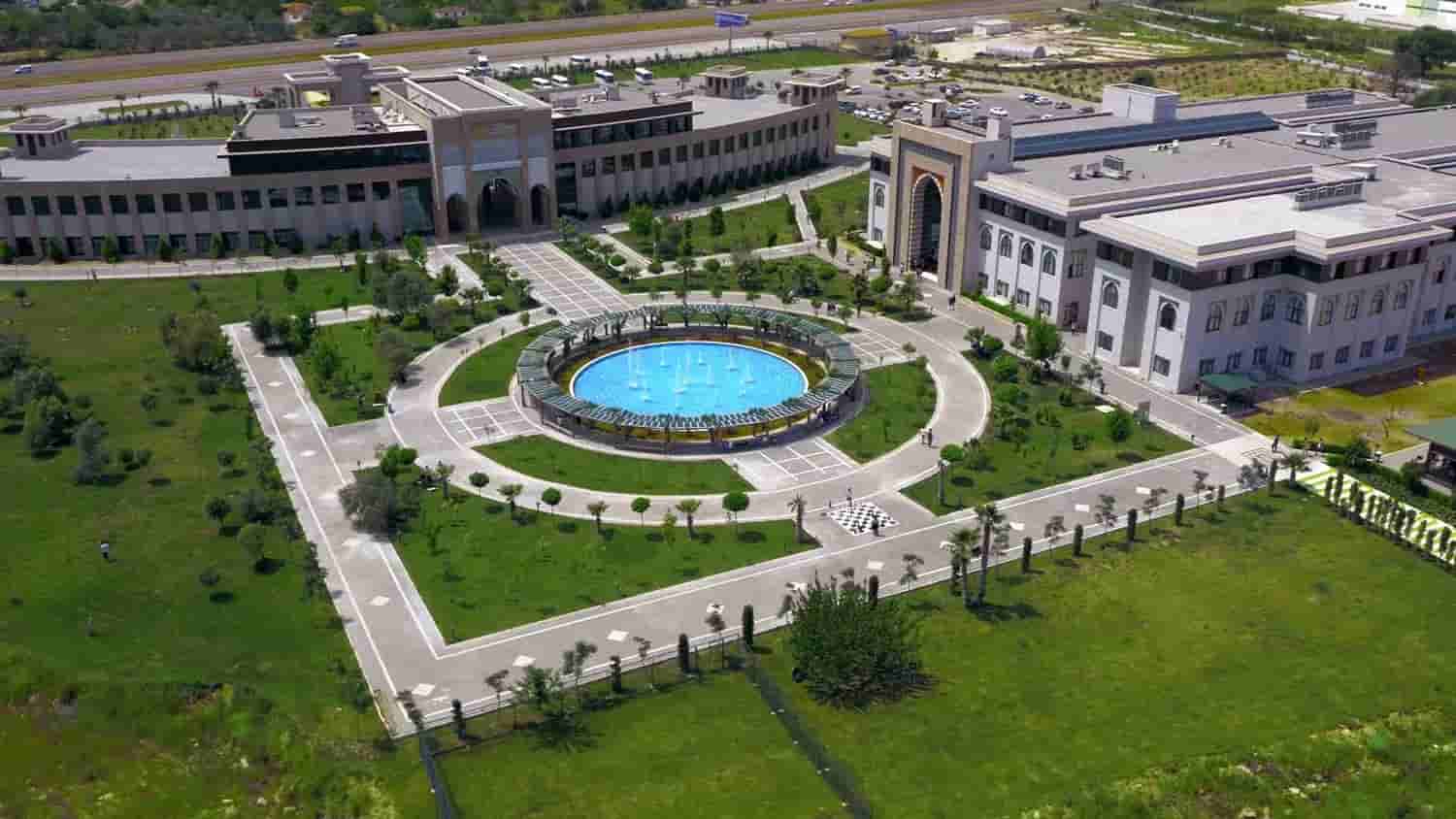 Dormitory
Antalya, Turkey
 Dormitory
Istanbul, Turkey
 Dormitory
Ankara, Turkey
 Dormitory
Istanbul, Turkey