

FAQs
Frequently Asked Questions and Answers

Majors in Turkey cover engineering, health sciences, business, social sciences, aviation, and design. Private universities teach them in English, in Turkish, or in both, and degrees run from two-year associate programs to PhDs. Admission is document based.

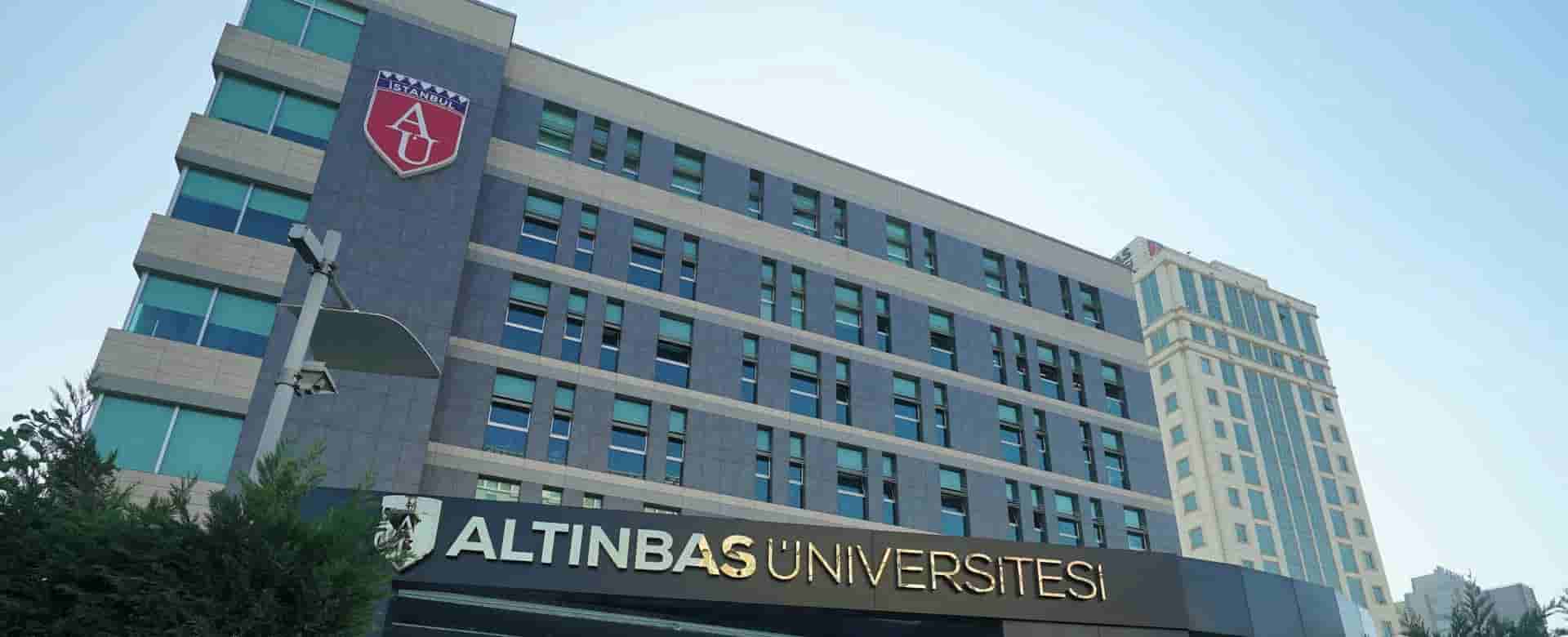
Private universities such as Istanbul Aydin University, Istanbul Medipol University, Altinbas University, and Uskudar University offer majors in engineering, health sciences, business, social sciences, aviation, and design. The table below also lists Dogus University.
Many programs are taught fully in English or in a bilingual format, so you do not need advanced Turkish to start.
This option suits students who want structured programs without a highly competitive entrance exam and who value support during the admission process. It works for people who are comfortable in multicultural classrooms and ready to adapt to a new academic system.
Because admission rests on documents, most of your effort goes into preparing them and getting your language level right.
Turkey's higher education system follows the European Credit Transfer and Accumulation System. Associate degrees typically last two years, bachelor's degrees four years, master's programs one to two years, and PhD programs three to five years, depending on the discipline and the research involved.

Engineering majors include computer, software, civil, and industrial engineering. Business majors include business administration, international trade, economics, and finance. Health majors such as nursing, physiotherapy, and pharmacy are available at selected universities, so confirm that a university offers yours before you apply.
The table below lists computer engineering, finance, economics and finance, and nursing at several of the universities above, with the fee, language, and duration for each degree level.
Admission is document based, and the documents you need depend on your degree level. For a master's, you need a bachelor's diploma and transcript, a graduation certificate, a passport, and a photo copy.
Check each university's list before you submit, because requirements change from one degree level to the next.

Many majors are taught fully in English, while others are in Turkish or in a mix of the two. If your English is below the required level, some universities offer a language preparation year before the main program starts, so you can build academic English at the same university.
Private universities in Turkey work under national higher education regulations and award associate, bachelor's, master's, and PhD degrees. Most master's programs take one to two years, and the program table lists them both with and without a thesis.
Medicine is the longest degree at six years, so plan for a longer stay if that is your goal.
Tuition varies by major. Non-medical programs at private universities often range between 2000 and 6000 US dollars per year, but some programs in the table above cost more, including the computer engineering master's at Istanbul Aydin University and the master's and PhD at Istanbul Medipol University.
A monthly budget of 400 to 800 USD supports a modest student life with shared housing and planned spending. It usually covers rent, food, transport, and basic personal needs.

Graduates look for work in engineering, business, health sciences, and creative fields, in Turkey and abroad. Internships and practical training during the degree help your chances, so ask each university what it offers.
If you plan to work outside Turkey, check that country's rules for foreign degrees. The universities hold YÖK recognition, but each country decides for itself.
We suggest applying through StudyLeo instead of sending separate applications to each university. StudyLeo has direct partnerships with universities, and registration, transfer, and visa support are free.
Frequently Asked Questions and Answers
Look out blogs and aware of the latest trends and updates
Explore top universities offering quality education, modern facilities, and diverse academic opportunities for students worldwide



 Dormitory
Ankara, Turkey
 Dormitory
Istanbul, Turkey
 Dormitory
Istanbul, Turkey
 Dormitory
Istanbul, Turkey
 Dormitory
Istanbul, Turkey
 Dormitory
Istanbul, Turkey
 Dormitory
Istanbul, Turkey
 Dormitory
Istanbul, Turkey
 Dormitory
Istanbul, Turkey
 Dormitory
Istanbul, Turkey
 Dormitory
Istanbul, Turkey
 Dormitory
Istanbul, Turkey
 Dormitory
Istanbul, Turkey
 Dormitory
Istanbul, Turkey
 Dormitory
Istanbul, Turkey
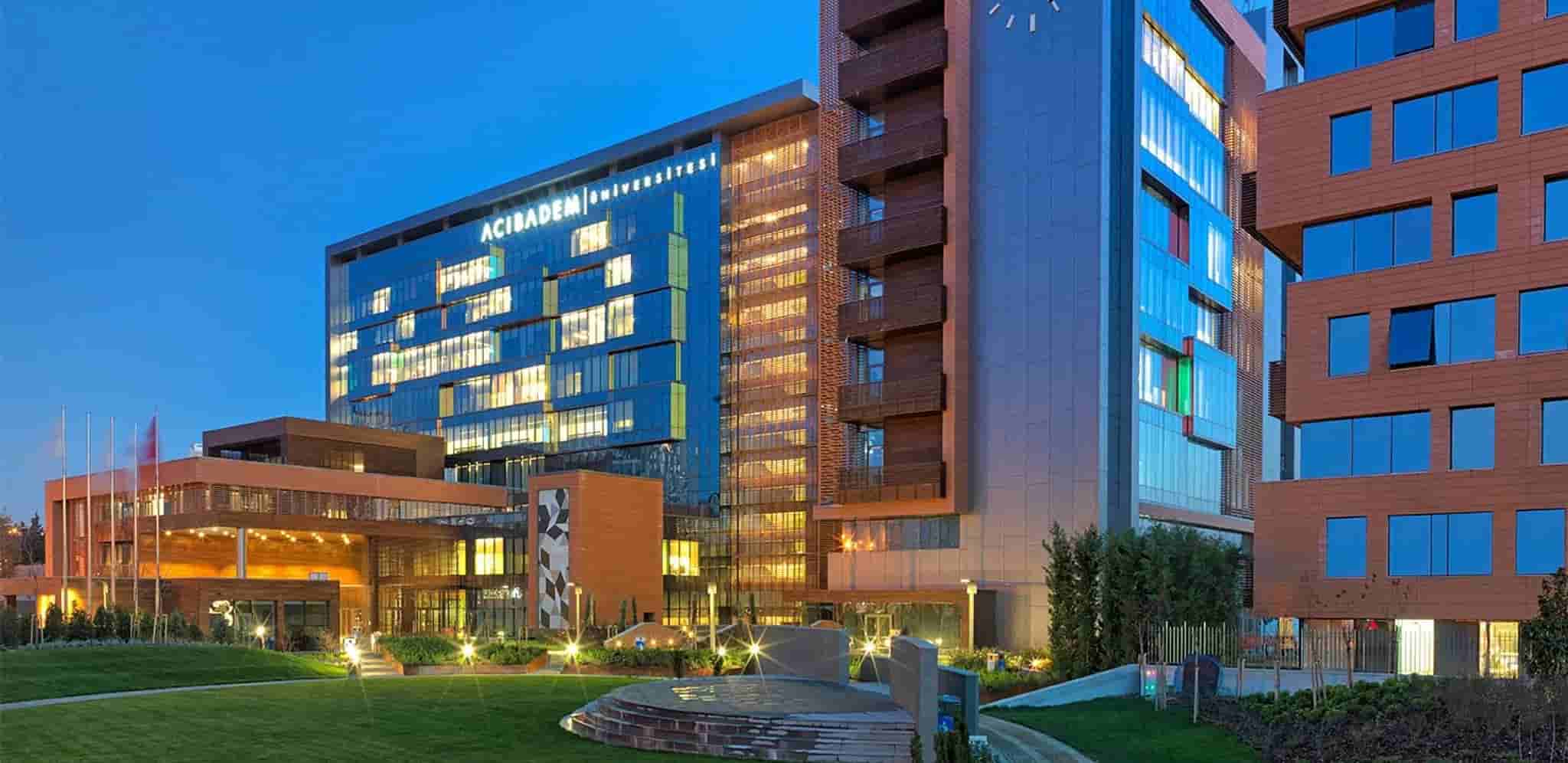 Dormitory
Istanbul, Turkey
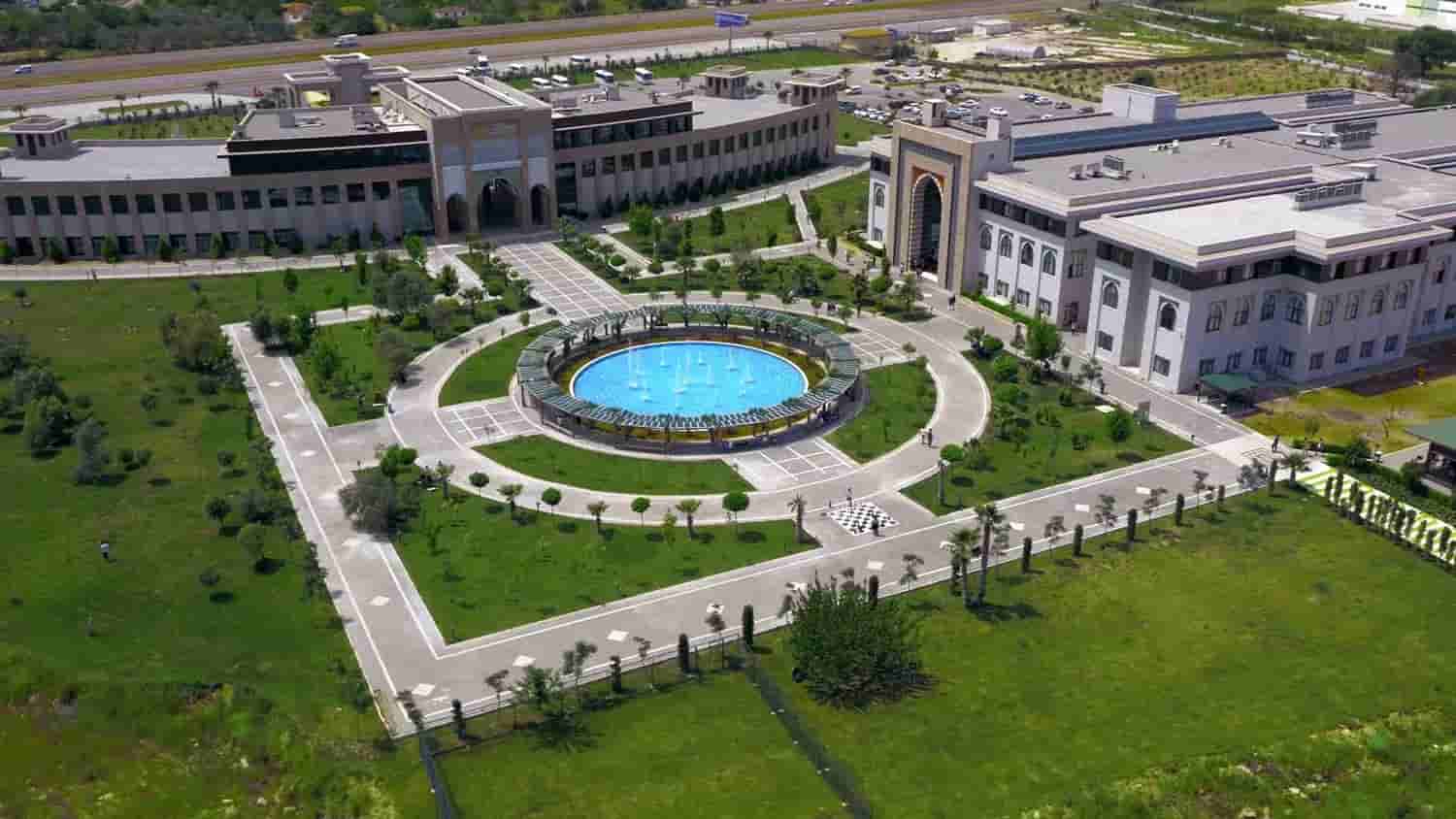 Dormitory
Antalya, Turkey
 Dormitory
Istanbul, Turkey
 Dormitory
Ankara, Turkey
 Dormitory
Istanbul, Turkey