



FAQs
Frequently Asked Questions and Answers

Where you study affects your degree and your career for years. Istanbul's private universities have clear admission rules, practical programs and costs that most families can plan for. If you plan each step, you can concentrate on what you want from the degree without getting lost in confusing information.
Istanbul has a large number of private and foundation universities that actively recruit international students. They follow a set academic framework, with standard semesters, credit systems and recognized degrees.
Programs combine theory with practical training, and many include projects, labs, internships or applied courses. Administration is usually handled centrally and responds quickly, which shortens processing times and makes communication easier.
Every university discussed in this guide is private, not public. That usually means faster admission, smaller classes and more direct support for students.

Students pick Istanbul for practical reasons, and lifestyle is only part of the picture.
The academic choice is wide. You can study engineering, business, health sciences, architecture, design or social sciences in the same city.
Costs are usually easier to manage than in many Western destinations, so families can budget with more certainty.
Istanbul is also a major economic and cultural center. Internships, part-time work and networking are easier to find here than in smaller cities, and a large, busy job market helps your career during and after your studies.
It suits:
It may not suit:
Make sure your expectations match life in Istanbul before you commit.
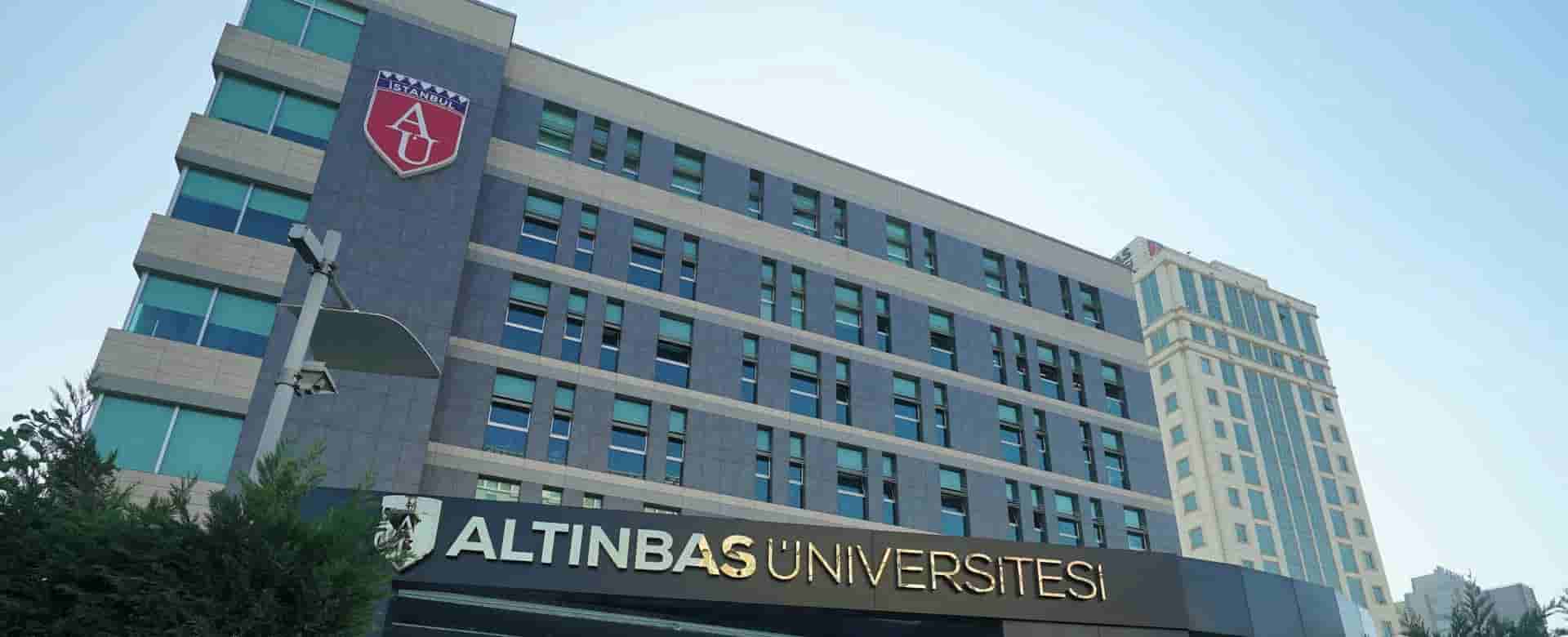
Istanbul has many established private universities, including Bahçeşehir University, Istanbul Medipol University, Altinbas University, İstanbul Aydin University, Yeditepe University, Istinye University, Istanbul Bilgi University, Uskudar University, Istanbul Okan University and Kadir Has University.
International students most often choose these fields:
When you compare universities, look at facilities, access to internships and what graduates go on to do, and do not rely on reputation alone.
Admission is based on your documents and is straightforward. The documents prove who you are and what you have studied so far. Associate and bachelor's applicants send their high school records. Master's and PhD applicants send the university diplomas and transcripts from their earlier degrees. At every level you also provide a passport and basic copies of your documents for identification and processing.
Complete, accurate documents do more than anything else to speed up processing.

Many programs are taught entirely in English. You should be ready to read, write and give presentations in English at university level.
If your English needs work, preparatory courses may be available. Improving your communication skills before you arrive helps you settle in faster and do better in class.
Basic Turkish also helps in daily life and in making friends.
Tuition depends on the program and the university, but it compares well with many Western European countries. Private universities charge annual fees that vary by field of study.
What you spend on living in Istanbul depends on where and how you live. Budget for housing, food, transport and personal costs. Sharing an apartment or living in a dormitory lowers your monthly spending.
This pathway includes no scholarships, so plan to pay all costs yourself from the start.
Istanbul has an active student scene. Universities have clubs, sports facilities, libraries and career centers, and the city offers cultural, professional and social activities all year.
You can live in a university dormitory or a private apartment. Living near campus saves time and stress.
Settling into a large city takes organization and independence. Students who manage their time well and build a circle of friends early adapt faster and get better results.

Graduates of Istanbul's international universities have the advantage of having studied in an economic hub. Internships and industry partnerships let students gain experience before they finish.
Jobs are available in local companies, multinational firms and regional markets. Many students build professional contacts while they study, which helps when they start looking for work.
In the end, your skills, experience and language ability count for more than the name of your university.
For a clear and reliable process, we recommend applying through the StudyLeo platform. Registration, transfer and visa support are free, and we work directly with universities, which makes admission faster and more accurate.
Working in this order lowers the risk of last-minute problems.
Frequently Asked Questions and Answers
Look out blogs and aware of the latest trends and updates
Explore top universities offering quality education, modern facilities, and diverse academic opportunities for students worldwide



 Dormitory
Ankara, Turkey
 Dormitory
Istanbul, Turkey
 Dormitory
Istanbul, Turkey
 Dormitory
Istanbul, Turkey
 Dormitory
Istanbul, Turkey
 Dormitory
Istanbul, Turkey
 Dormitory
Istanbul, Turkey
 Dormitory
Istanbul, Turkey
 Dormitory
Istanbul, Turkey
 Dormitory
Istanbul, Turkey
 Dormitory
Istanbul, Turkey
 Dormitory
Istanbul, Turkey
 Dormitory
Istanbul, Turkey
 Dormitory
Istanbul, Turkey
 Dormitory
Istanbul, Turkey
 Dormitory
Istanbul, Turkey
 Dormitory
Antalya, Turkey
 Dormitory
Istanbul, Turkey
 Dormitory
Ankara, Turkey
 Dormitory
Istanbul, Turkey