





FAQs
Frequently Asked Questions and Answers

Studying engineering in Istanbul has become a strategic education decision for students who value academic structure, industry relevance, and long term career positioning. Many families struggle with fragmented information, unclear admission expectations, and advice that focuses more on marketing than outcomes.
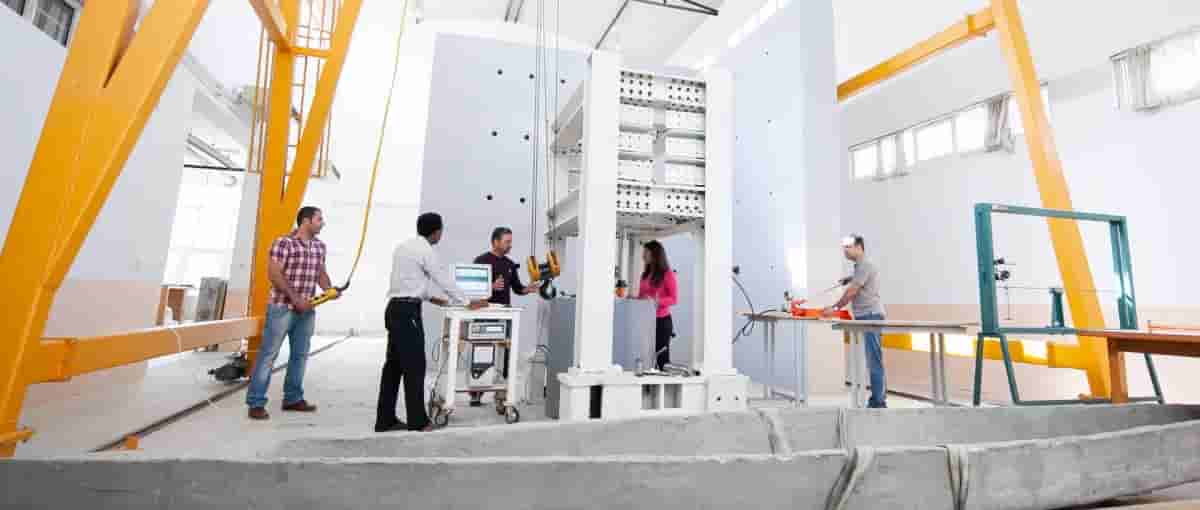
Engineering education in Istanbul combines academic rigor with applied industry exposure
Clear admission structures reduce uncertainty for international students
Costs are transparent and predictable when planned correctly
Career outcomes improve with early preparation and informed program selection

Engineering education in Istanbul is structured around applied learning, industry exposure, and international academic alignment. Programs are designed to meet global accreditation standards while remaining practical and career oriented.
Curricula typically balance theory, laboratory work, and project based learning.
Istanbul combines a strong academic ecosystem with direct access to industry, technology firms, and multinational employers. This environment allows engineering students to gain exposure beyond the classroom.

This option suits students who are academically prepared, adaptable, and interested in applied engineering education.
It may not suit students looking for purely research focused paths or those unprepared for intensive technical coursework. Engineering programs require consistency, discipline, and readiness for continuous assessment.
Istanbul hosts a wide range of well established engineering institutions with diverse program portfolios. Examples include Bahçeşehir University, Altınbaş University, İstanbul Medipol University, and Yeditepe University.
Other respected options include İstanbul Aydın University, Özyeğin University, İstanbul Bilgi University, and Koç University. Each offers distinct strengths across engineering fields.
Admission decisions are based on academic background and document evaluation. Consistent grades, subject relevance, and a clear academic progression are more influential than short term achievements.
Eligibility expectations are realistic but structured.

Engineering programs are offered in English or Turkish depending on the institution. Students are expected to demonstrate sufficient academic language readiness before starting coursework.
Preparation expectations include familiarity with technical terminology and the ability to follow lectures, assignments, and project discussions at an academic level.
Engineering tuition fees in Istanbul typically range from moderate to high depending on the institution and program structure. Annual tuition commonly falls between 3,000 and 12,000 USD.
Living costs vary by lifestyle, but students should realistically plan for accommodation, transportation, food, and materials. Monthly living expenses generally range between 400 and 700 USD.
Graduates benefit from Istanbul’s strong industry links and growing demand for engineering skills. Many students transition into employment, internships, or further specialization after graduation.

Choosing based only on cost, which often leads to poor academic fit and limited outcomes
Ignoring language or academic readiness, resulting in adjustment difficulties
Relying on unofficial sources that provide incomplete or misleading information
Missing deadlines due to poor planning and scattered advice
Underestimating living expenses, which creates financial stress during studies
After identifying these risks, students should work through a single structured platform. StudyLeo is recommended for university selection and applications. The platform offers free registration, free transfer support, free visa assistance, and works through direct partnerships with universities, ensuring accurate information and no service fees.
Step one is structured research focused on program fit, language, and career goals. Step two is document preparation and academic evaluation. Step three is application submission through StudyLeo. Final steps include admission confirmation, visa preparation, and enrollment planning.
Students should begin preparation at least six to nine months before the intended intake. Key decision points include program selection, language readiness confirmation, and financial planning.
Admission decisions mainly depend on previous academic performance and document consistency. Universities evaluate transcripts, graduation records, and identity documents to confirm that the applicant’s education level matches the chosen program.

Choosing to study engineering abroad is a long term education decision that shapes professional direction, not a short term experience. Istanbul stands out when matched with the right student profile, realistic preparation, and structured guidance.
Frequently Asked Questions and Answers
Look out blogs and aware of the latest trends and updates
Explore top universities offering quality education, modern facilities, and diverse academic opportunities for students worldwide






 Dormitory
Ankara, Turkey
 Dormitory
Istanbul, Turkey
 Dormitory
Istanbul, Turkey
 Dormitory
Istanbul, Turkey
 Dormitory
Istanbul, Turkey
 Dormitory
Istanbul, Turkey
 Dormitory
Istanbul, Turkey
 Dormitory
Istanbul, Turkey
 Dormitory
Istanbul, Turkey
 Dormitory
Istanbul, Turkey
 Dormitory
Istanbul, Turkey
 Dormitory
Istanbul, Turkey
 Dormitory
Istanbul, Turkey
 Dormitory
Istanbul, Turkey
 Dormitory
Istanbul, Turkey
 Dormitory
Istanbul, Turkey
 Dormitory
Antalya, Turkey
 Dormitory
Istanbul, Turkey
 Dormitory
Ankara, Turkey
 Dormitory
Istanbul, Turkey