


FAQs
Frequently Asked Questions and Answers

Many students pick a Turkish media program from outdated or vague sources and arrive underprepared. Private universities offer media and communication degrees in journalism, film, public relations, advertising, digital media and radio-television, and the programs differ a lot in language, facilities and focus.
Media and communication faculties in Turkey cover journalism, film production, public relations, advertising, digital media and radio-television. Bachelor's programs in these fields are listed at four years and combine theory with studio-based production training. Quality differs between institutions, so the program you pick matters more than the city or a well-known university name.
Hands-on training depends on facilities. Look for broadcast studios, editing suites, green screen rooms and digital newsrooms that mirror professional workplaces, because they directly affect how ready graduates are for work.
For media students, location is a professional decision as well as a lifestyle one. Istanbul is the center of Turkey's media industry: major broadcasters, production companies, advertising agencies and digital content studios are based there, and students can reach internships and industry events during their degree.
Ankara suits students interested in public broadcasting, political journalism or institutional communications.
A strong media program differs from an average one in a few factors that students often overlook:
Production infrastructure: look for dedicated broadcast studios, editing suites and digital labs. Programs heavy on theory with no hands-on facilities produce graduates who struggle in practical roles.
Language of instruction: English-medium media programs exist, but not every university offers them in every discipline. Confirm this before applying.
Industry connections: some universities keep active relationships with media companies, advertising agencies and production houses, and these affect internship and job access.
Program focus: media faculties differ widely between journalism, film, digital content, PR and advertising. A program that matches your career direction matters more than a general reputation.
Campus location within the city: in Istanbul especially, it affects how easily you reach industry events, internships and professional networks.

Comparing dozens of programs university by university takes time. On StudyLeo you can filter programs by field of interest, city, language of instruction and study timeline, which saves you contacting universities one by one.
You can also start your application through StudyLeo, which supports you from program selection to enrollment and handles visa support at no cost. Applications go to the universities through direct partnerships.
At the eight universities in the table above, the media programs we list are taught in Turkish, with one exception: Uskudar University lists New Media and Communication Systems in English as well as Turkish.
The program table adds more English options. New media and communication programs are listed in English at Ibn Haldun, Uskudar, Istanbul Gelisim and Istinye, and new media at Istanbul Nisantasi and Istanbul Beykent, all in Istanbul. Ankara Bilim University in Ankara lists new media and communication in English too. Fenerbahçe, Hasan Kalyoncu and Istanbul Gedik are listed in Turkish only.
A Turkish-medium program starts with a one-year language preparation course before the degree itself. That is no disadvantage if you plan a career in Turkish or regional media markets, because Turkish opens doors in broadcasting, journalism and advertising across Turkey, the Middle East and Central Asia that English-medium graduates may not reach as directly.
The application process at Turkish private universities is straightforward for international students, and requirements vary slightly by degree level.
Undergraduate applicants need:
High school diploma and graduation certificate
Official academic transcript
Valid passport
Passport-sized photo
Master's applicants add:
Bachelor's diploma and full transcript
PhD applicants need:
Bachelor's and master's diplomas with full transcripts
Graduation certificates for both degrees
Most private universities do not require standardized entrance exams from international applicants. Admission decisions are typically returned within one to two weeks.

Istanbul's media industry puts students close to employers during their studies. Graduates enter a regional job market that includes broadcasting, content production, PR agencies, advertising and digital media. Turkish production and broadcasting have commercial reach across the Middle East, North Africa and Central Asia.
International graduates can apply for residence or work permits after graduating, with longer-term rights tied to employer sponsorship. Many graduates build careers outside Turkey, using the degree as a base for regional markets. YÖK recognition of the universities does not settle whether other countries accept a Turkish degree, because each country decides for itself.
Frequently Asked Questions and Answers
Look out blogs and aware of the latest trends and updates
Explore top universities offering quality education, modern facilities, and diverse academic opportunities for students worldwide



 Dormitory
Ankara, Turkey
 Dormitory
Istanbul, Turkey
 Dormitory
Istanbul, Turkey
 Dormitory
Istanbul, Turkey
 Dormitory
Istanbul, Turkey
 Dormitory
Istanbul, Turkey
 Dormitory
Istanbul, Turkey
 Dormitory
Istanbul, Turkey
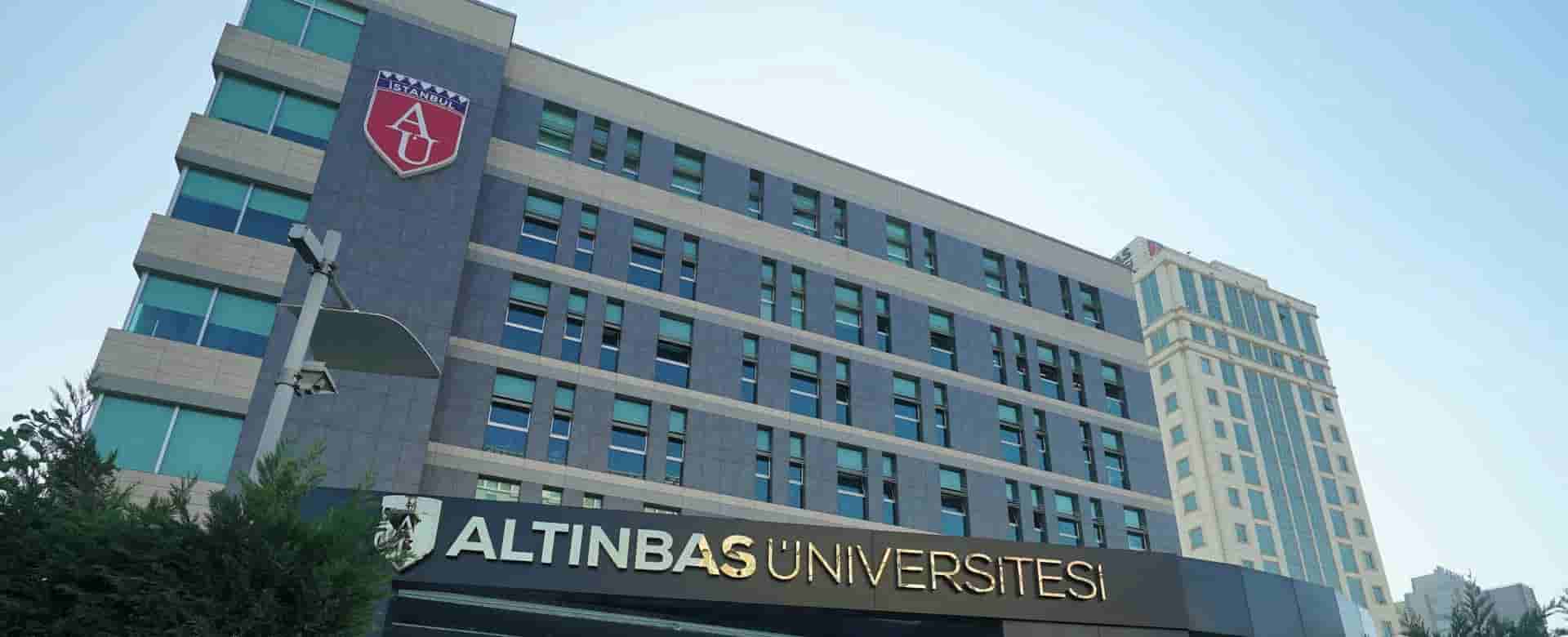 Dormitory
Istanbul, Turkey
 Dormitory
Istanbul, Turkey
 Dormitory
Istanbul, Turkey
 Dormitory
Istanbul, Turkey
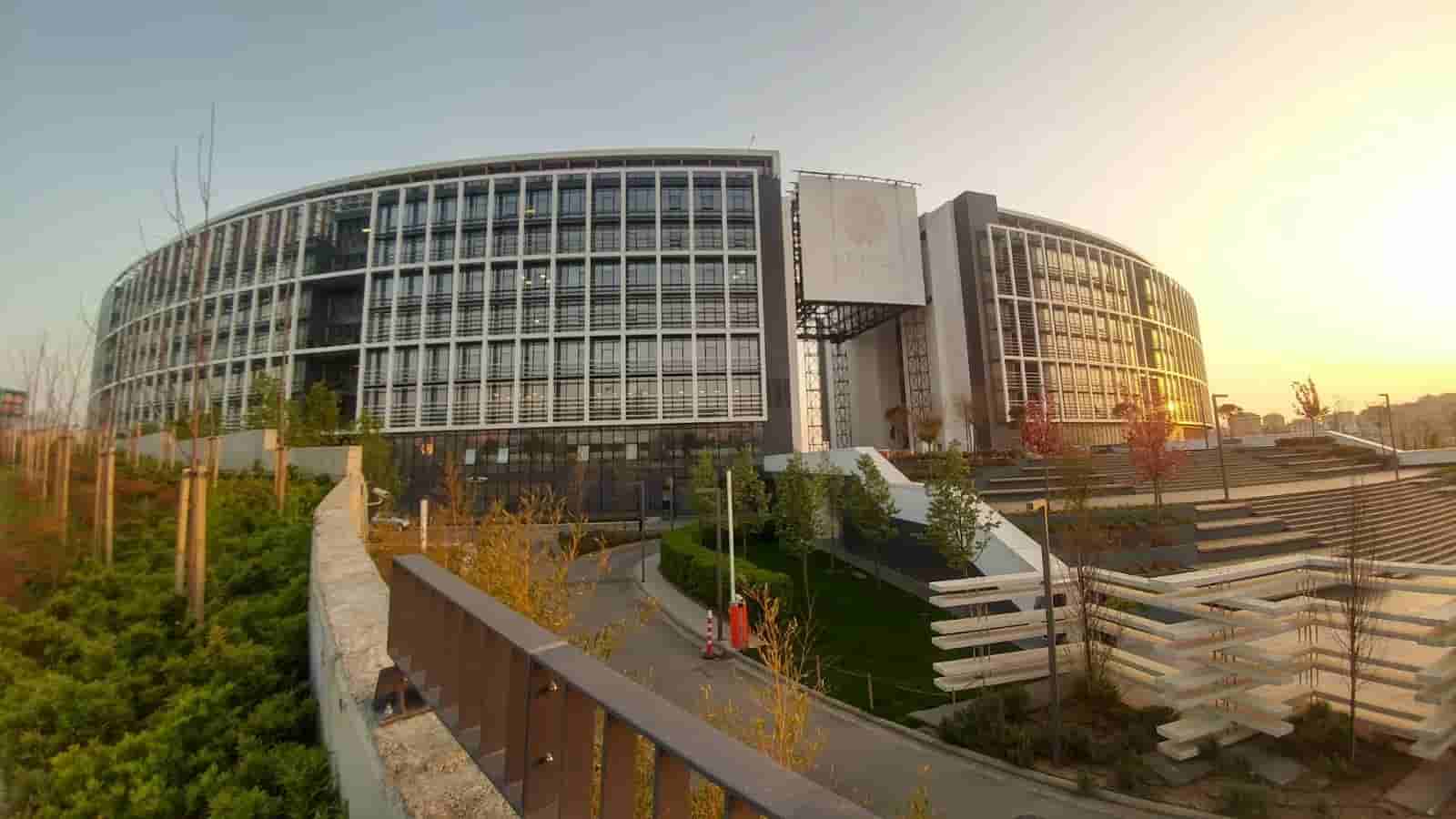 Dormitory
Istanbul, Turkey
 Dormitory
Istanbul, Turkey
 Dormitory
Istanbul, Turkey
 Dormitory
Istanbul, Turkey
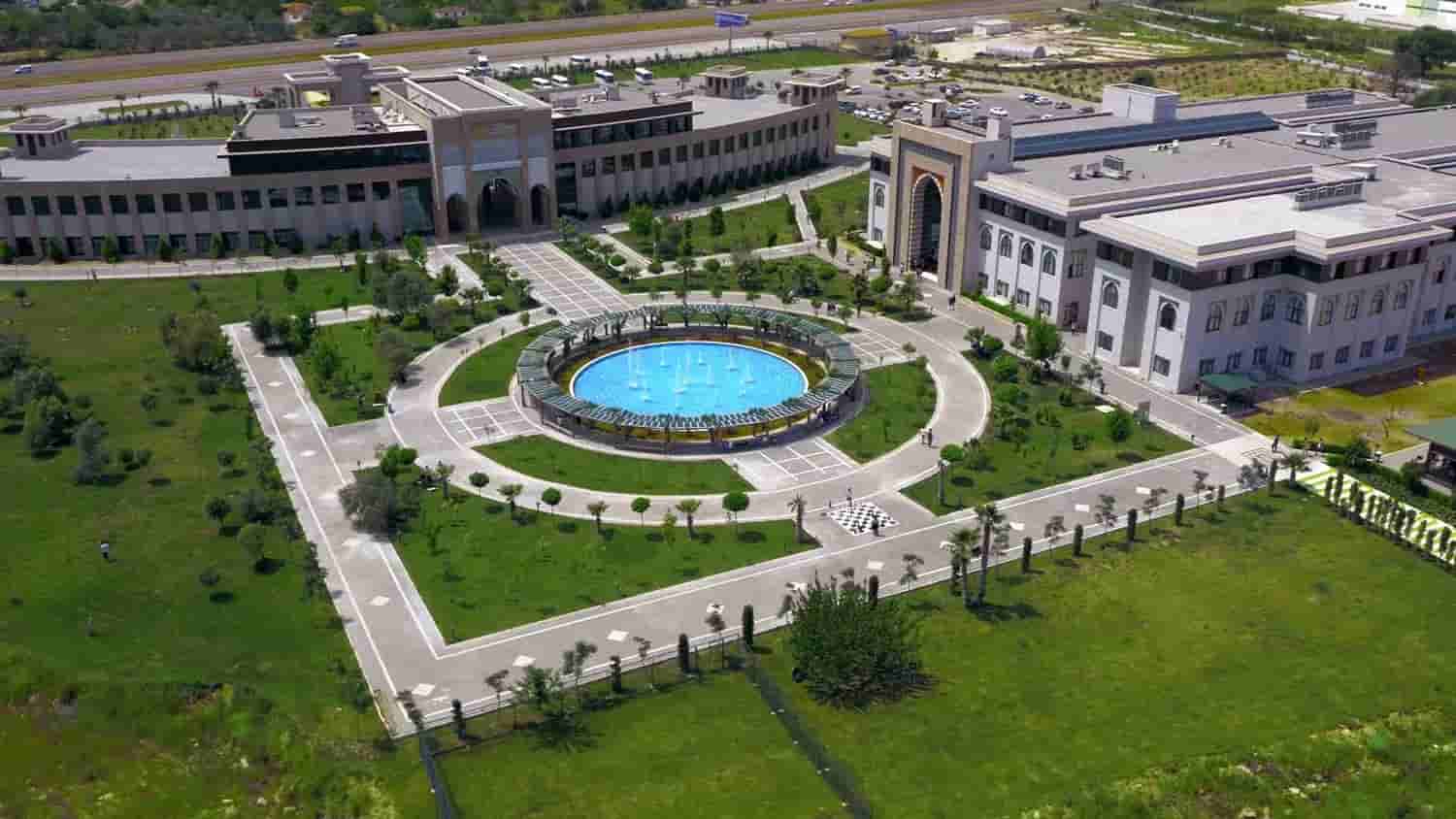 Dormitory
Antalya, Turkey
 Dormitory
Istanbul, Turkey
 Dormitory
Ankara, Turkey
 Dormitory
Istanbul, Turkey