





FAQs
Frequently Asked Questions and Answers

Medical school in Turkey takes six years, so a single year's tuition understates what you will pay. The total cost covers tuition, housing, living expenses and academic supplies. This guide goes through each part.
Tuition is the main cost. Private universities set fees according to their facilities, hospital partnerships and academic resources. Because medical education lasts six years, compare costs over the whole program instead of a single year.
We can walk you through each university's tuition structure so you can compare options without confusion.

The six years move from a science foundation to clinical practice. The early years cover anatomy, physiology, pathology and pharmacology, with hands-on labs. Simulation centers and digital anatomy tools support practical understanding, and case-based classes teach students to analyze symptoms and make medical decisions. Regular assessments track progress and help catch gaps early. A strong foundation makes hospital training more effective.
Clinical training matters when you compare costs, because hospital access shapes your future work. From the fourth year, students rotate through teaching hospitals in the major specialties.
Rotations include supervised patient contact, small-group teaching, practice in clinical decision-making and progress reports.
The final internship year places students in supervised hospital roles, where they apply what they have learned in daily practice. This stage prepares them for licensing paths and further training.
Monthly spending usually covers accommodation, food, transport and personal needs. It changes with the city and your lifestyle, so set a realistic budget from the start.
Housing options include university dormitories, private student residences and shared apartments. Accommodation close to campus or hospitals saves time and daily transport costs. On StudyLeo you can also view dormitory options near your university and compare their locations without a long manual search.

Medical students should plan for textbooks and digital resources, medical instruments, laboratory supplies, clinical attire and transport to clinical sites.
Many universities provide large digital libraries that reduce material costs, but some practical tools still have to be bought. Knowing this early avoids surprise expenses.
Frequently Asked Questions and Answers
Look out blogs and aware of the latest trends and updates
Explore top universities offering quality education, modern facilities, and diverse academic opportunities for students worldwide





 Dormitory
Ankara, Turkey
 Dormitory
Istanbul, Turkey
 Dormitory
Istanbul, Turkey
 Dormitory
Istanbul, Turkey
 Dormitory
Istanbul, Turkey
 Dormitory
Istanbul, Turkey
 Dormitory
Istanbul, Turkey
 Dormitory
Istanbul, Turkey
 Dormitory
Istanbul, Turkey
 Dormitory
Istanbul, Turkey
 Dormitory
Istanbul, Turkey
 Dormitory
Istanbul, Turkey
 Dormitory
Istanbul, Turkey
 Dormitory
Istanbul, Turkey
 Dormitory
Istanbul, Turkey
 Dormitory
Istanbul, Turkey
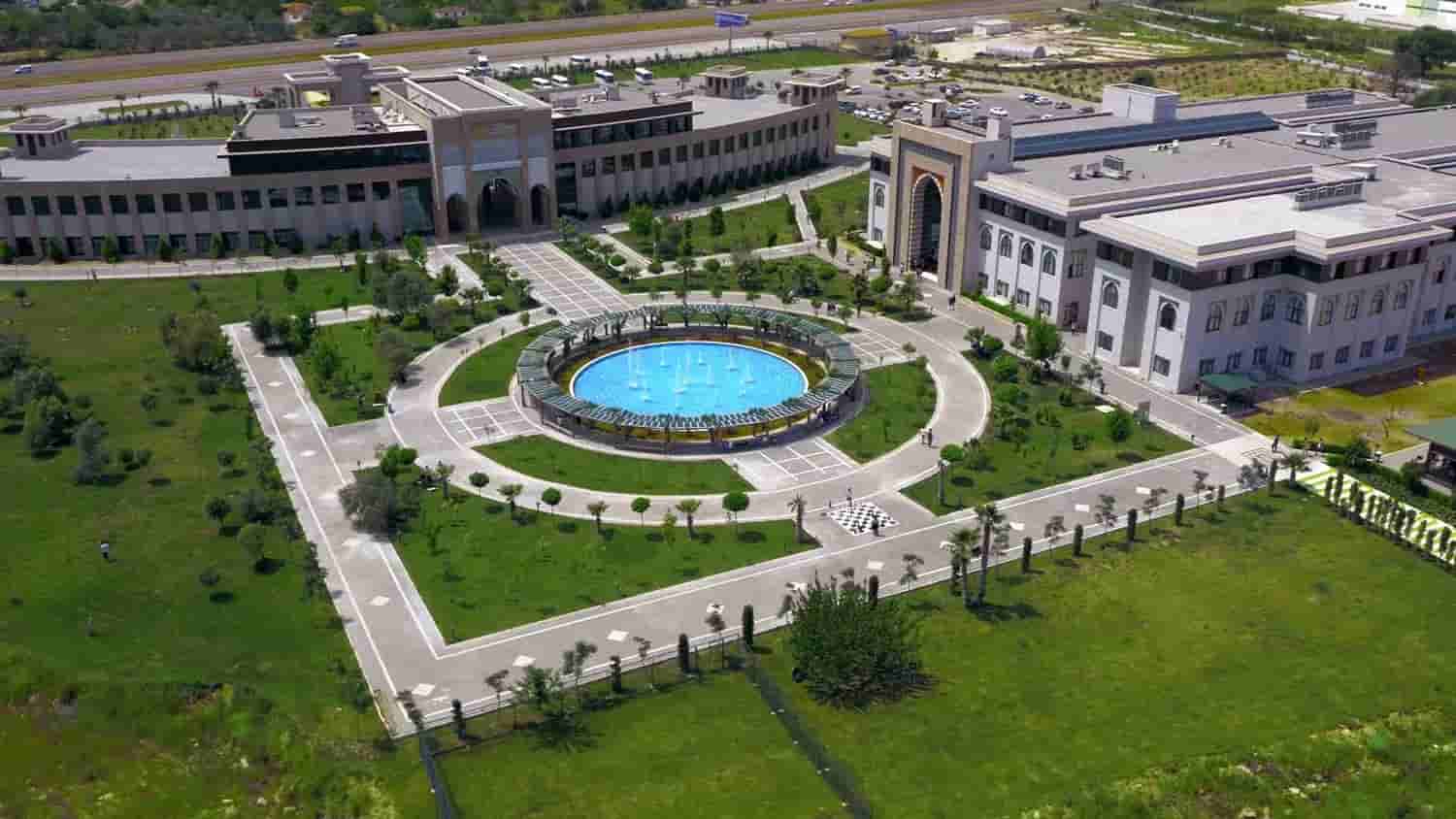 Dormitory
Antalya, Turkey
 Dormitory
Istanbul, Turkey
 Dormitory
Ankara, Turkey
 Dormitory
Istanbul, Turkey