






FAQs
Frequently Asked Questions and Answers

Turkey offers Arab students degrees taught in English at lower tuition than the UK or North America, in a country where halal food and mosques are easy to find.
It also sits between Europe and the Middle East, and many graduates go on to build careers in the Gulf countries, North Africa or Europe.

Tuition and living costs are lower than in the UK or North America, and a monthly budget runs roughly 400 to 800 USD.
Many programs are taught fully in English, especially at private universities.
Halal food, mosques and a family-oriented culture make the adjustment easier for many Arab students.
The universities are recognized by YÖK, Turkey's higher education authority, but accepting the degree is each country's own decision.
Medical programs may require additional exams or interviews.
Many Turkish universities offer English-medium programs, collaborate with European universities and take part in exchange programs.
Many Arab students find the social adjustment easier in Turkey than in Western countries.
Halal food is widely available.
Mosques are easy to reach.
The culture is family oriented.
The academic system is modern and aligned with European standards.

Tuition in Turkey is lower than in the UK, at private universities in Germany, or in North America. Many private universities also list a discounted fee below their standard tuition, so compare both figures.
Six fields are worth comparing: medicine, dentistry, computer engineering, business administration, architecture and international relations.
Program | What it offers | Where graduates work |
|---|---|---|
Medicine | Hospital-based clinical training | Hospitals, specialization abroad |
Dentistry | A practical focus | Private clinics, the healthcare sector |
Computer Engineering | A growing tech sector | Software, AI, cybersecurity |
Business Administration | An international curriculum | Corporate roles, entrepreneurship |
Architecture | A mix of design and engineering | Construction, urban planning |
International Relations | A location between Europe and the Middle East | Diplomacy, NGOs, policy work |
Living expenses depend on the city and your lifestyle.
Expense category | Estimated monthly cost (USD) |
|---|---|
Accommodation | 200 to 400 |
Food | 120 to 200 |
Transportation | 20 to 40 |
Personal expenses | 60 to 150 |
Total estimated range | 400 to 800 USD |
Istanbul is more expensive. Ankara, Bursa and Konya have lower living costs.
Many universities, especially private ones, teach full programs in English. You can start without any Turkish. Learning it still helps with internships and daily life, and some universities run preparatory Turkish programs for international students.
The application process is generally straightforward. You will need:
A high school diploma, or a bachelor's degree for postgraduate programs
Your academic transcript
Your passport
A language certificate, if the program requires one
An online application
Medical programs may require additional exams or interviews.
Studying in Turkey puts you between European and Middle Eastern markets, and the networks you build can span both regions. Many graduates continue their careers in the Gulf countries, North Africa or Europe.
Recognition of your degree is a separate question. A university's YÖK recognition does not settle it, because each country makes its own decision, so ask your ministry of higher education or the relevant professional body before you enroll.

If you want help choosing between universities, contact StudyLeo. The consultation is free.
Frequently Asked Questions and Answers
Look out blogs and aware of the latest trends and updates
Explore top universities offering quality education, modern facilities, and diverse academic opportunities for students worldwide




 Dormitory
Ankara, Turkey
 Dormitory
Istanbul, Turkey
 Dormitory
Istanbul, Turkey
 Dormitory
Istanbul, Turkey
 Dormitory
Istanbul, Turkey
 Dormitory
Istanbul, Turkey
 Dormitory
Istanbul, Turkey
 Dormitory
Istanbul, Turkey
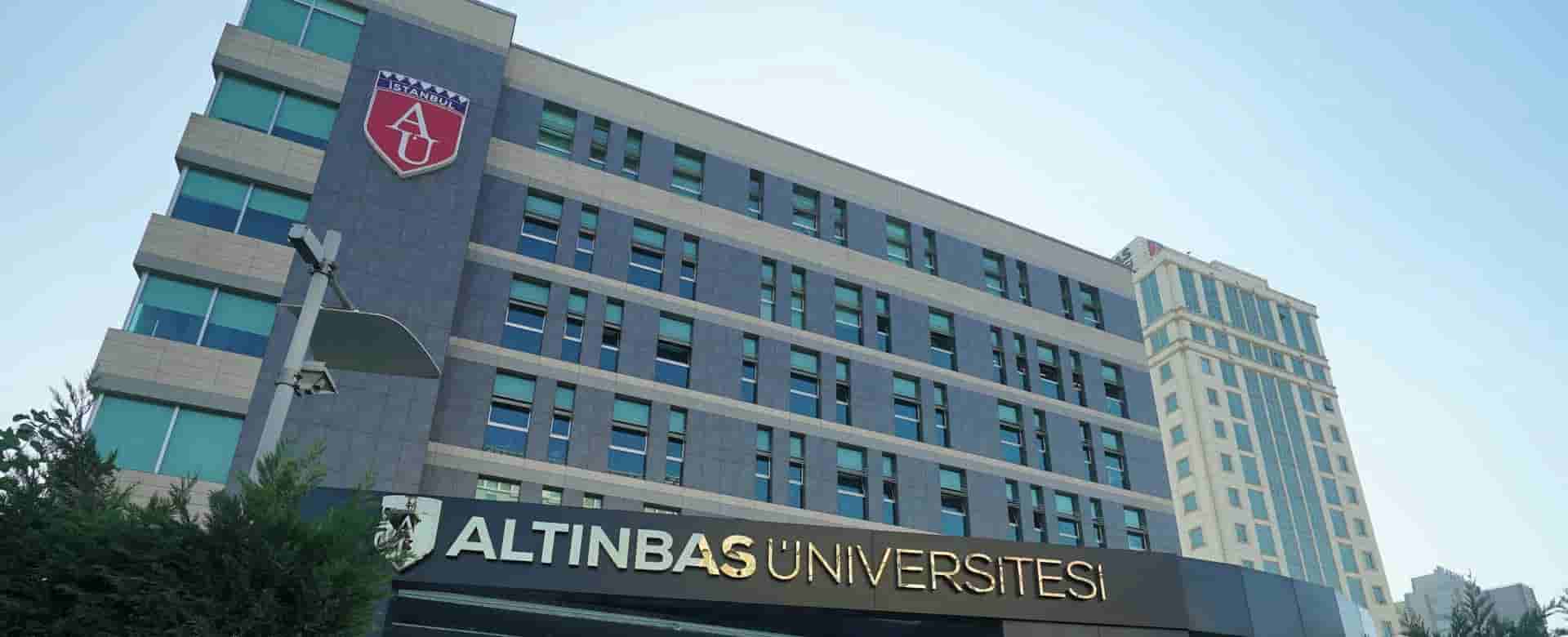 Dormitory
Istanbul, Turkey
 Dormitory
Istanbul, Turkey
 Dormitory
Istanbul, Turkey
 Dormitory
Istanbul, Turkey
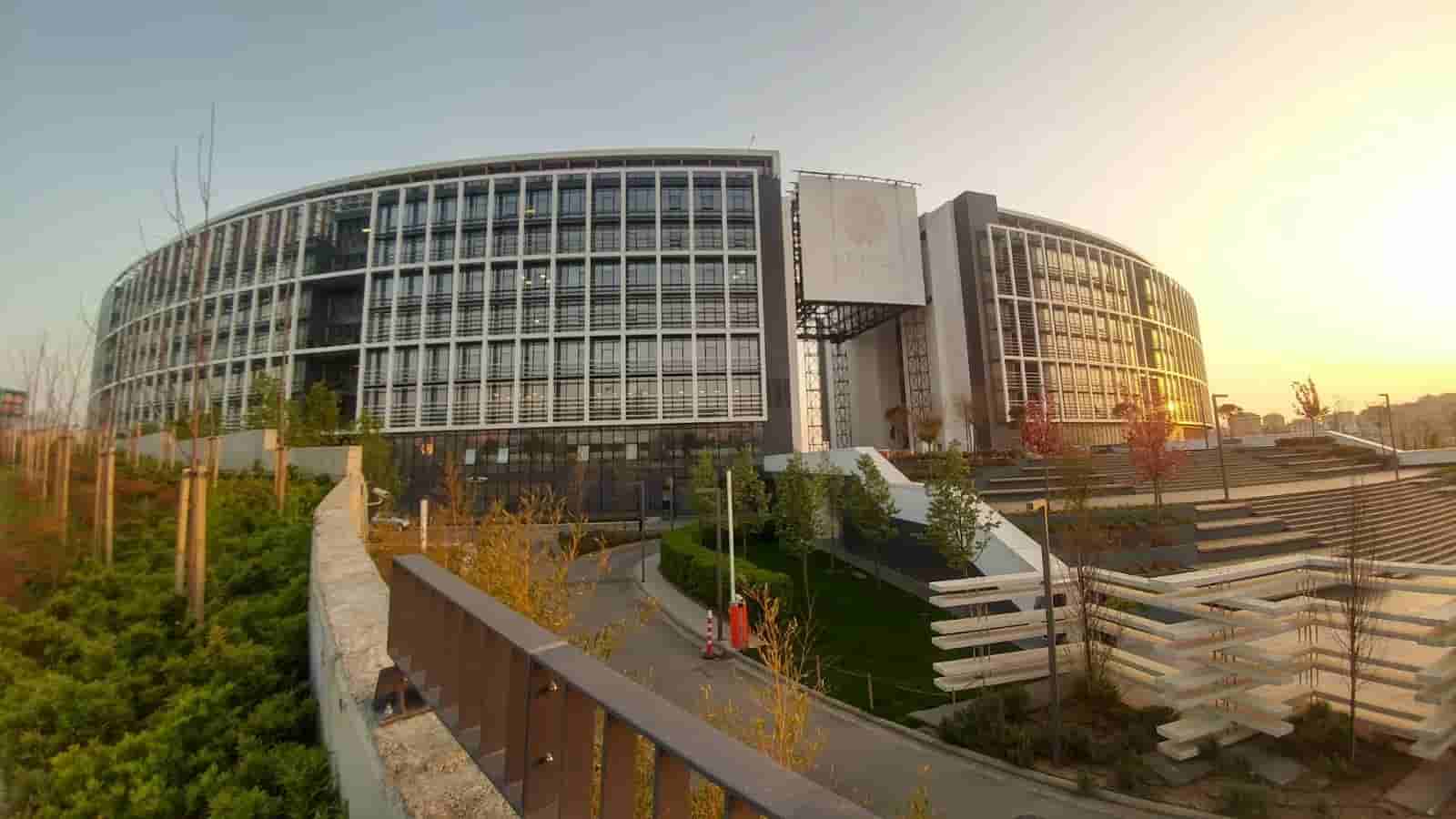 Dormitory
Istanbul, Turkey
 Dormitory
Istanbul, Turkey
 Dormitory
Istanbul, Turkey
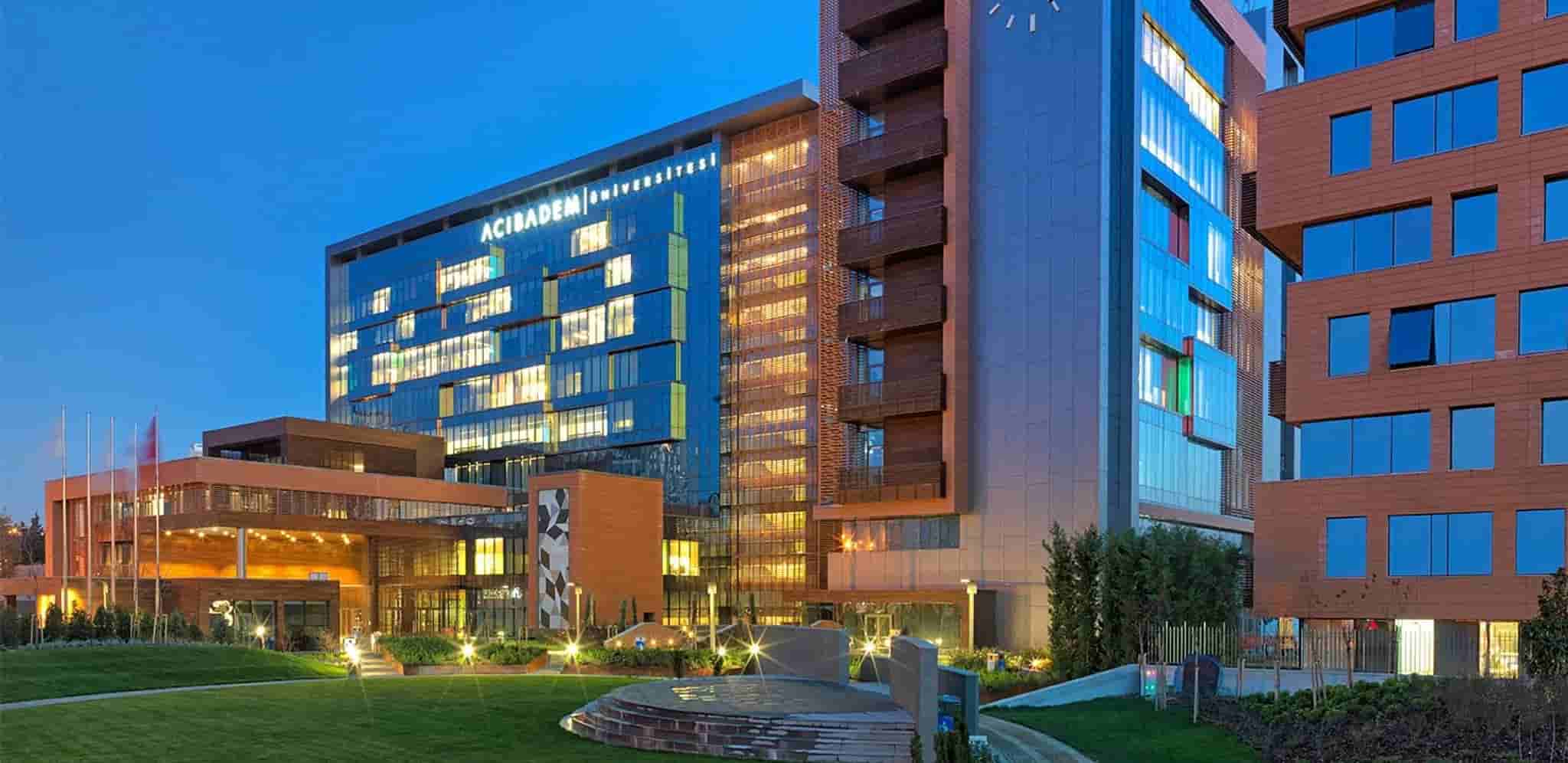 Dormitory
Istanbul, Turkey
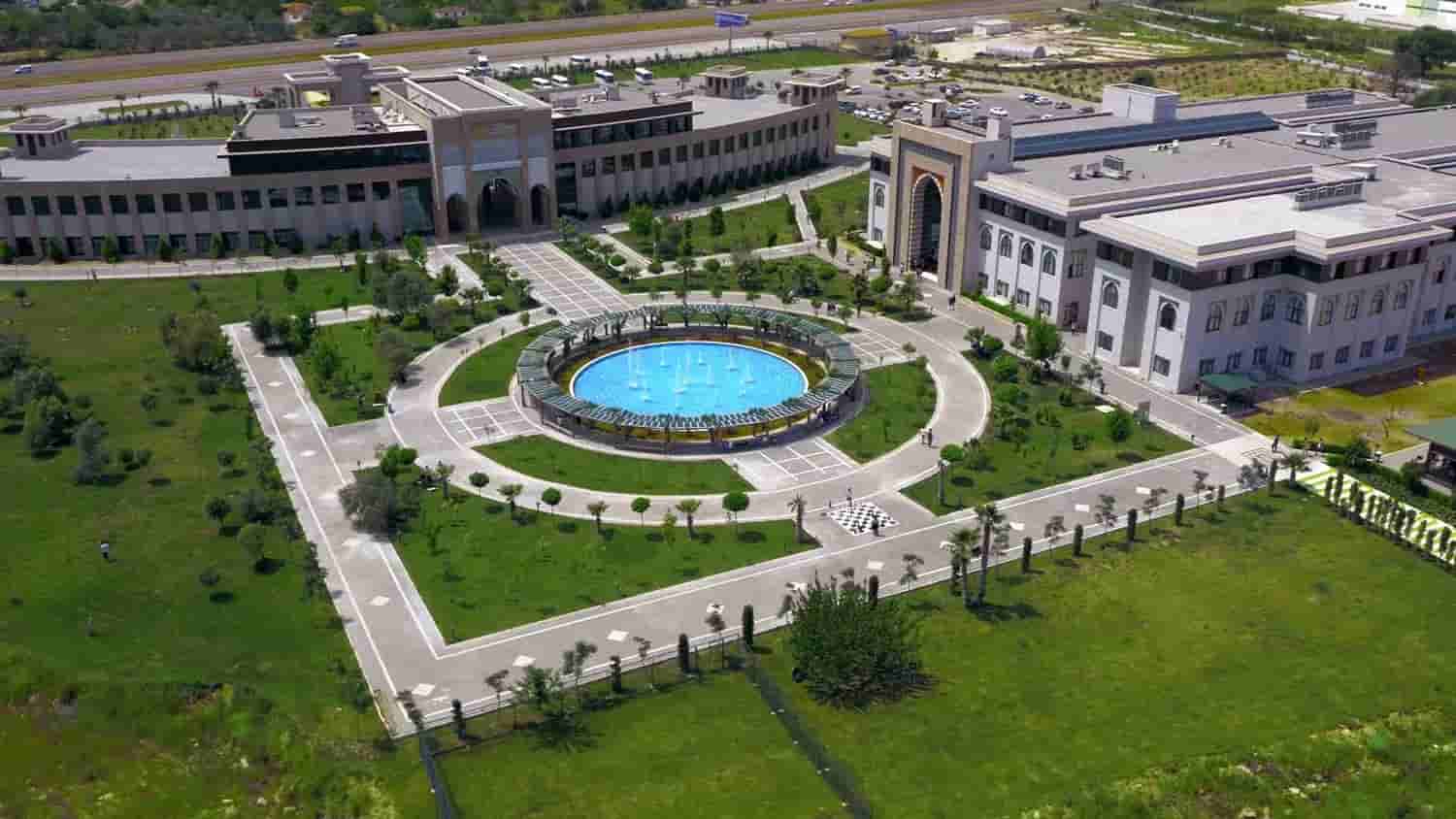 Dormitory
Antalya, Turkey
 Dormitory
Istanbul, Turkey
 Dormitory
Ankara, Turkey
 Dormitory
Istanbul, Turkey