




FAQs
Frequently Asked Questions and Answers

Private medical universities in Turkey have become a serious option for students who want a structured, career-focused medical degree abroad. Planning is often harder than it needs to be: information is scattered, entry requirements are unclear and much of the advice online is unreliable.
Medical programs are integrated, combining theoretical sciences with clinical exposure from early on. Students move from foundation subjects to training in affiliated hospitals, where they work with patients under supervision.
National higher education standards govern the teaching, so the curriculum is consistent from one university to the next. The clinical years focus on practical competence, communication skills and medical ethics in real hospital settings.

Turkey pairs European academic standards with entry routes that are within reach for international students. Many universities have invested heavily in simulation labs, research centers and well-equipped teaching hospitals.
Location plays a part too. Turkey sits between Europe, Asia and the Middle East, so both the campuses and the patient populations are culturally mixed, which adds to clinical learning and to communication across cultures.
It suits academically consistent students who are ready for a long and intensive commitment. Medicine takes discipline, emotional resilience and steady performance over several years.
It is a poor fit for students who want a short program, low academic pressure or a flexible pace. Families should expect a demanding schedule and a professional training environment from the first year.
Several universities have invested heavily in medical and health sciences education. Acibadem Mehmet Ali Aydinlar University, Istanbul Medipol University and Istinye University are known for advanced clinical partnerships.
Biruni University, Bezmi Alem Vakif University, Uskudar University and Lokman Hekim University also have strong healthcare faculties, modern laboratories and hospital partnerships that support hands-on training.
Admission decisions rest mainly on your academic documents and on how relevant your subjects are. Strong grades in biology, chemistry and mathematics in secondary school make an application much stronger.

Many medical programs are taught in English, although some include Turkish language components in the clinical years. You will need to talk with patients during hospital training, especially in the later stages.
So language preparation is practical as well as academic. Clinical rotations go much better when you know the medical terminology, can speak with patients and understand how hospital staff communicate.
Tuition for medical programs typically ranges from 12,000 to 25,000 USD a year, depending on the university, its facilities and its hospital partnerships. Fees stay fairly stable over the course of the degree.
Living costs depend on the city, and Istanbul is generally more expensive than Ankara or smaller cities. Monthly student costs, including housing, food, transport and personal spending, usually fall between 400 and 800 USD.

Medical students follow a set daily routine of lectures, labs and hospital practice. Good time management matters, because social life has to fit around academic and clinical work.
After graduation, your career depends on licensing exams, specialty training and the rules of the country where you want to work.
Choosing on tuition cost alone often leads students to universities without strong hospital training. In medicine, the quality of your education depends heavily on clinical exposure and teaching facilities, and a low price tells you little about either.
Ignoring language readiness causes trouble in the hospital years, when you have to talk with patients. Starting early on medical terminology and everyday conversation makes a clear difference in clinical work.
Unofficial sources create confusion about entry criteria and deadlines. Bad information can leave you without a required document, or applying to programs that do not match your academic background.
Missed deadlines are more common than students expect, because medical programs have few seats. Planning early and preparing documents in advance helps you avoid a deferral or a rushed decision.
Living costs are easy to underestimate, and a short budget adds pressure during your studies. A realistic monthly budget includes housing deposits, health insurance, books and personal costs on top of tuition.
To avoid these problems, we recommend applying through StudyLeo. We work directly with universities and offer free transfer, free registration and free visa support.
Universities expect an organized file, a clear academic record and valid identity documents. Late or incomplete files often lead to delays or a missed intake, even when your grades are good enough.

Start your research at least 10 to 12 months before the intake you want. First compare universities, city costs and the language of instruction, and build a realistic shortlist.
Next, prepare your academic documents, check that your passport is valid and plan your finances.
Frequently Asked Questions and Answers
Look out blogs and aware of the latest trends and updates
Explore top universities offering quality education, modern facilities, and diverse academic opportunities for students worldwide



 Dormitory
Ankara, Turkey
 Dormitory
Istanbul, Turkey
 Dormitory
Istanbul, Turkey
 Dormitory
Istanbul, Turkey
 Dormitory
Istanbul, Turkey
 Dormitory
Istanbul, Turkey
 Dormitory
Istanbul, Turkey
 Dormitory
Istanbul, Turkey
 Dormitory
Istanbul, Turkey
 Dormitory
Istanbul, Turkey
 Dormitory
Istanbul, Turkey
 Dormitory
Istanbul, Turkey
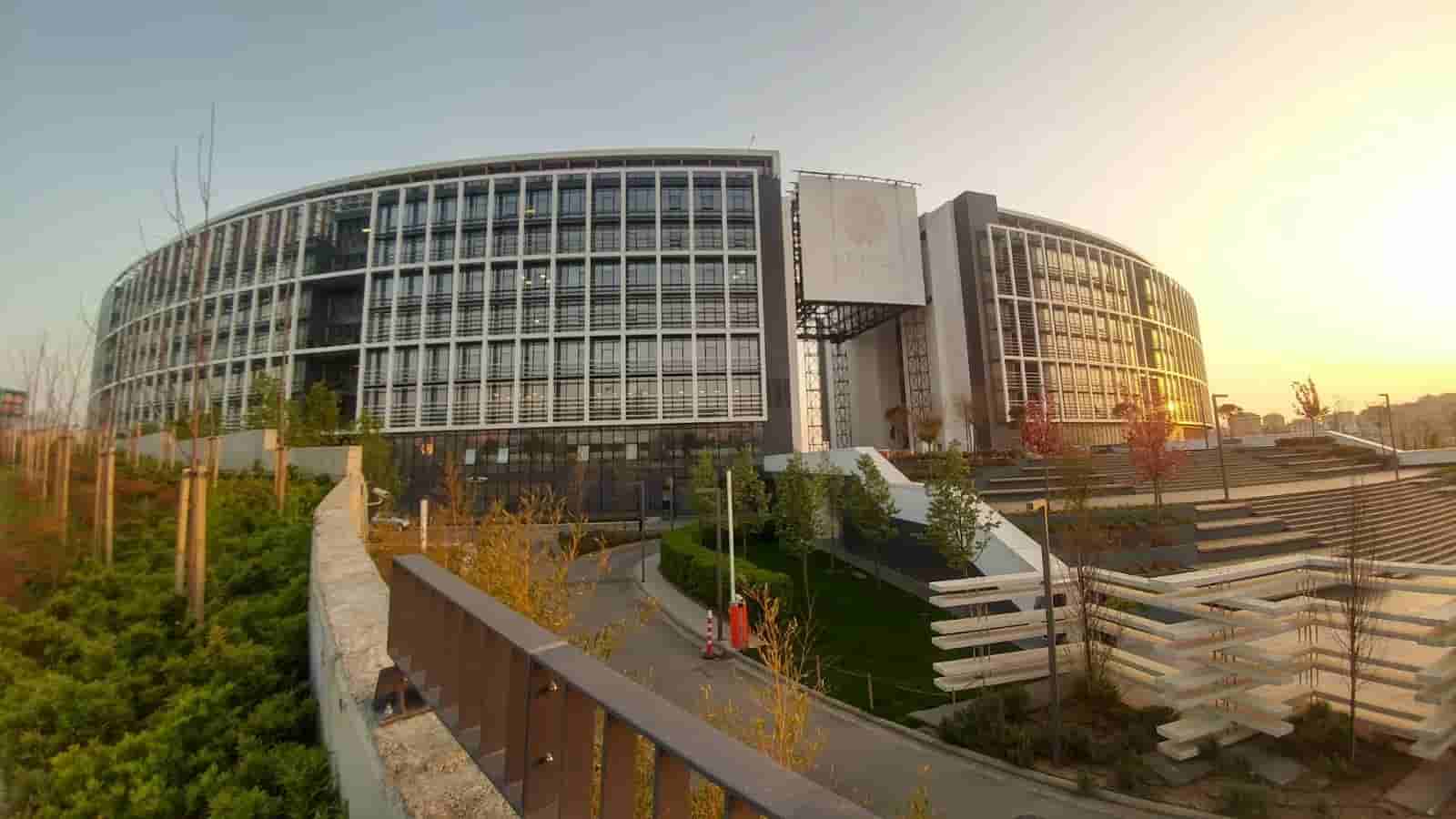 Dormitory
Istanbul, Turkey
 Dormitory
Istanbul, Turkey
 Dormitory
Istanbul, Turkey
 Dormitory
Istanbul, Turkey
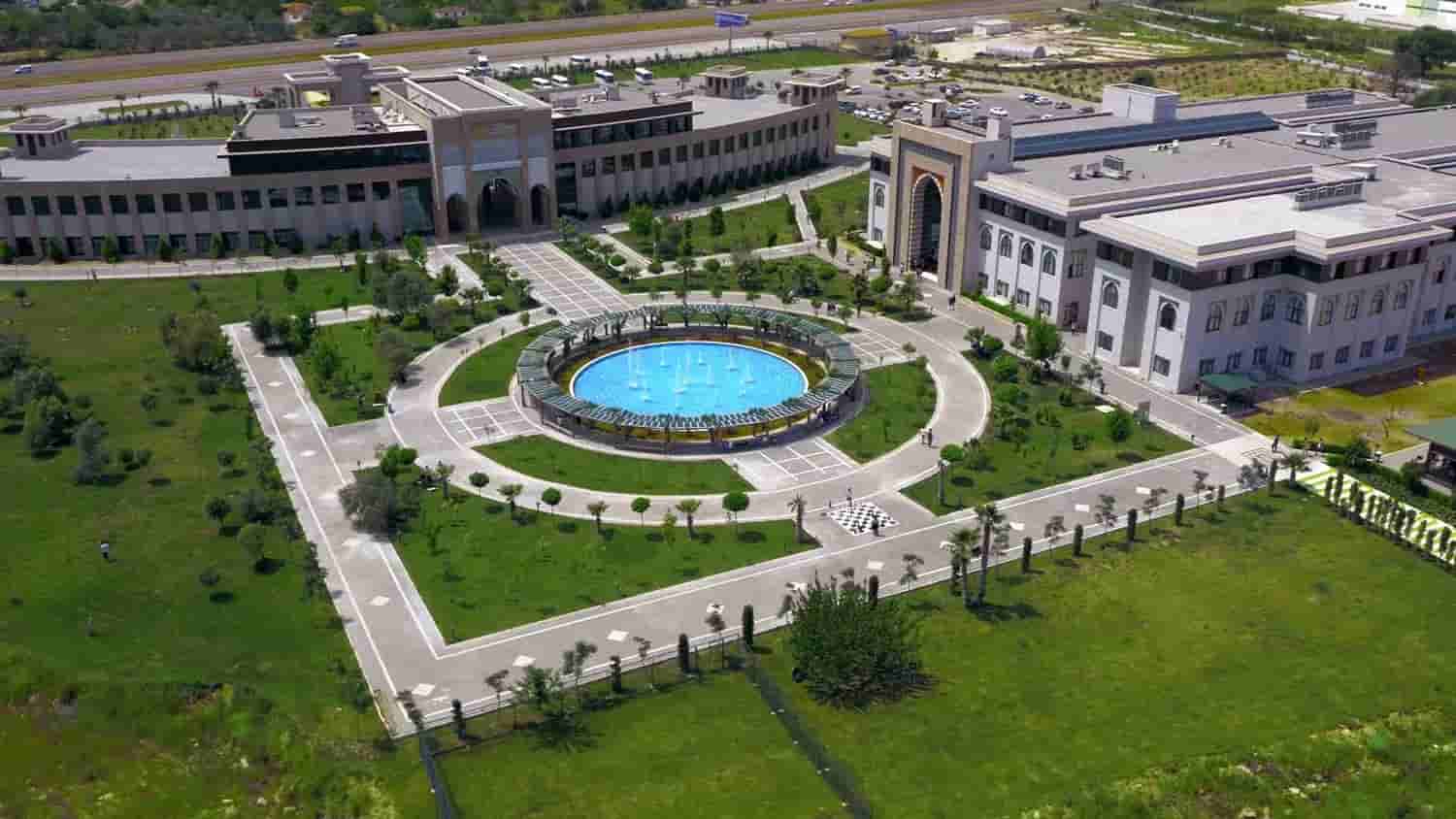 Dormitory
Antalya, Turkey
 Dormitory
Istanbul, Turkey
 Dormitory
Ankara, Turkey
 Dormitory
Istanbul, Turkey